

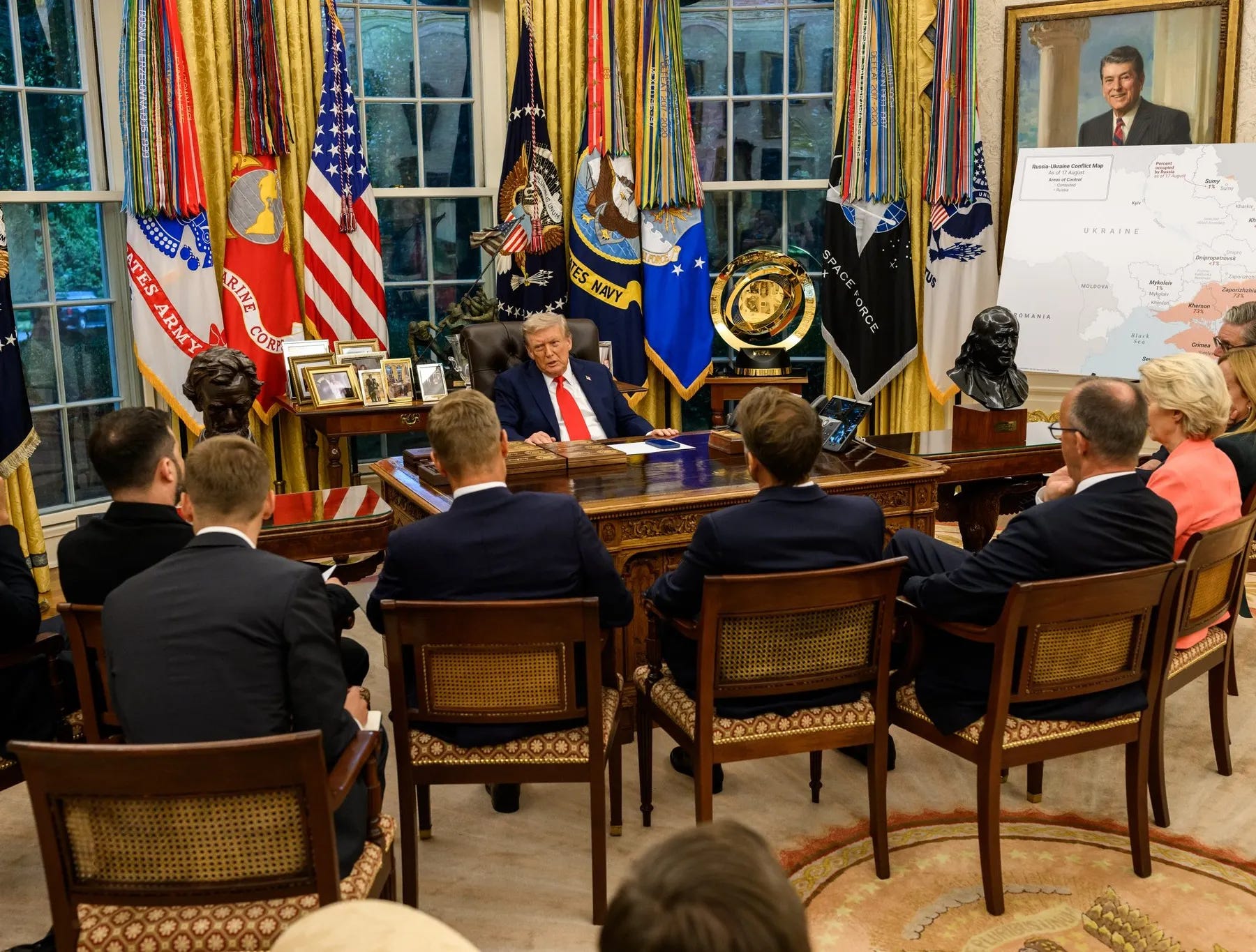
Despite U.S. President Donald Trump’s calls for European allies to join the war against Iran or at the very least provide bases and air corridors most European capitals declared that it was “not our war,” rejecting Washington’s request while limiting their response to condemning violence and urging de-escalation.
The positions taken by Berlin, Paris, Madrid, and London were not isolated exceptions but part of a broader pattern. Many leaders expressed confusion over the war’s objectives and frustration at not being consulted, while Trump, in turn, described those leaders as “cowards.”
Yet Europe’s cool response cannot be explained merely by fleeting hesitation or populist calculations. Rather, their reluctance to engage in a war with Iran reflects a complex web of structural legal, military, economic, and political factors that make participation both costly and unnecessary from a European perspective.
This report divides these reasons into four explanatory categories, illustrating why European abstention emerged as the most logical outcome.
Legal and Institutional Factors
Limits of Article 5 and the Alliance’s Scope
NATO is a collective defense alliance whose members are bound under Article 5 of the Washington Treaty to treat any “armed attack against one member in Europe or North America” as an attack against all, providing “necessary assistance” in line with their constitutional frameworks not necessarily through troop deployment.
Article 6 defines the geographic scope of these commitments as Europe and the North Atlantic, excluding offensive operations or wars against states in the Middle East.
Therefore, Washington’s decision to launch a war on Iran does not automatically trigger Article 5, nor does it obligate allies to participate.
NATO Secretary General Mark Rutte clarified, following an Iranian missile strike on Turkey, that the alliance had not considered invoking Article 5 underscoring the lack of legal grounds for collective intervention.
State Sovereignty and the Use of Bases
Beyond treaty constraints, the use of European bases and airspace is governed by bilateral agreements and parliamentary conditions.
Spain closed its airspace to U.S. aircraft heading to strike Iran, stating it would only allow the use of shared bases for “collective defense of NATO allies” and in accordance with international law.
Italy likewise refused to allow U.S. aircraft to land at Sigonella Air Base in Sicily without prior authorization, stressing that any use requires case-by-case approval.
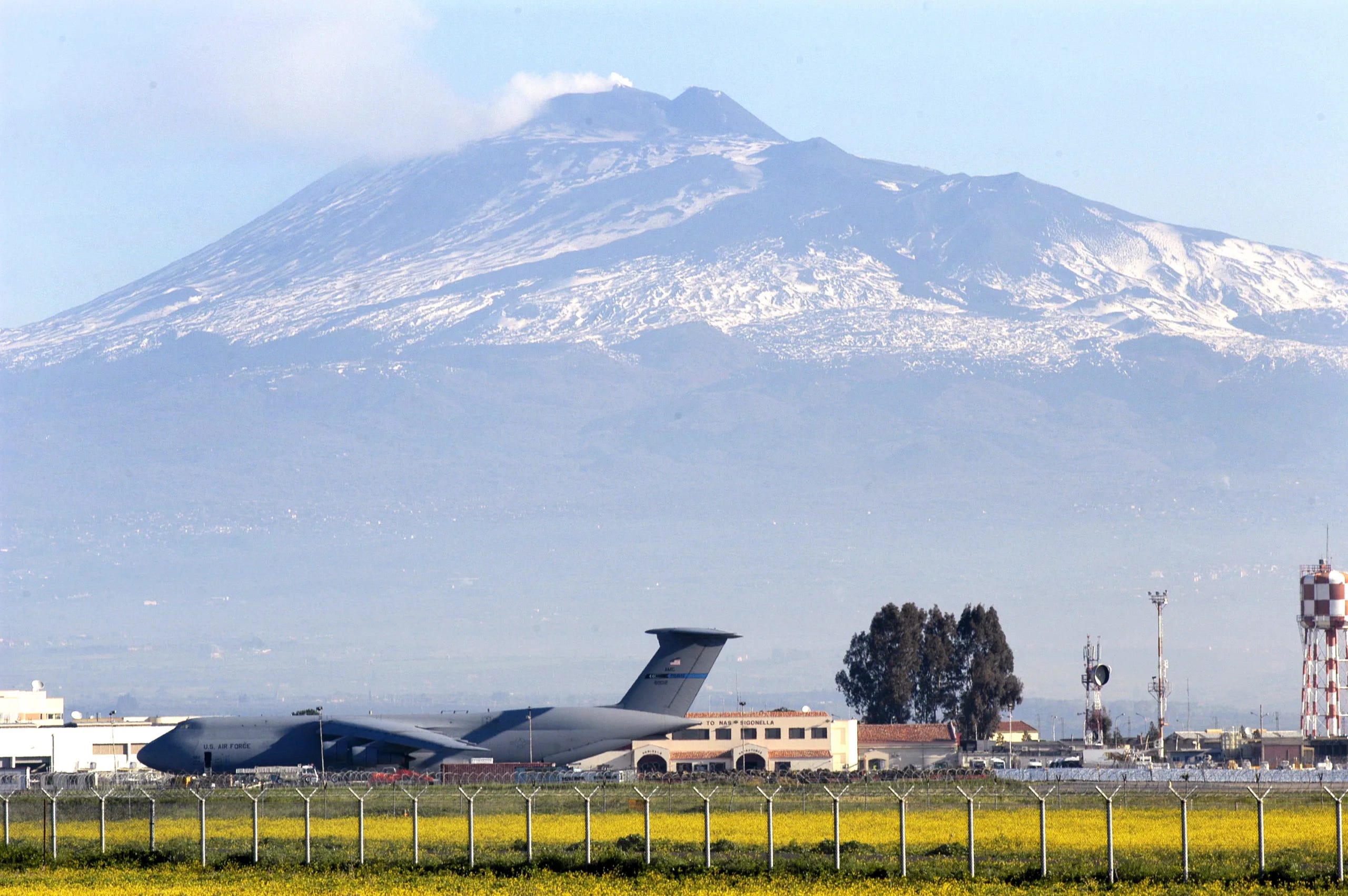
These decisions stem from constitutional and sovereignty considerations. Article 11 of the NATO treaty allows states to determine the form of assistance consistent with their constitutional systems meaning national parliaments or courts may restrict participation in non-defensive wars.
France also refused to allow U.S. weapons shipments to transit through its airspace en route to Israel, reflecting the independence of its security decision-making.
Distinction Between Defense and Offensive Operations
NATO was created to deter direct threats to member territories, and most of its resources remain geared toward countering potential Russian aggression.
Allies therefore distinguish between a “collective defense war” triggered by a direct attack and an “offensive war” conducted by the United States outside the alliance’s framework.
When Washington asked European states to send naval forces to secure the Strait of Hormuz and “open” maritime routes, European governments agreed this exceeded NATO’s mandate. International law grants them the right to abstain from operations that could be deemed unlawful.
German President Frank-Walter Steinmeier described the war as a “catastrophic mistake” and a violation of international law. This distinction between defense and offense is thus a key constraint on cooperation with Washington.
Military and Security Factors
European Security Priorities and Capabilities
Europe views its primary security interest as deterring Russia and protecting its eastern flank, rather than engaging in a Gulf war. European military elites fear that opening a distant front would drain resources allocated to Ukraine and national defense.
A report by the International Institute for Strategic Studies (IISS) notes that European governments have distanced themselves from the Iran campaign and called for a return to diplomacy, viewing the war as evidence of the unpredictability of the Trump administration.
According to the same report, European states limit themselves to defensive or logistical support—such as allowing limited use of bases for targeting missile platforms while rejecting offensive participation.
Depletion of Defense Stockpiles
The war with Iran has consumed vast quantities of U.S. interceptor and air defense missiles, which were already in short supply, according to the Center for Strategic and International Studies (CSIS).
During the June 2025 conflict, the United States reportedly launched around 150 THAAD missiles—roughly a quarter of the Pentagon’s inventory—with estimates suggesting 20–50% of certain stockpiles were depleted.
Renewed fighting has further drained PAC-3 and SM-3 missile reserves, forcing the U.S. to redeploy defensive systems from other theaters.
Europe, heavily reliant on these systems for its own defense and for supporting Ukraine, sees such shortages as a direct threat to its ability to deter Russia—making the opening of another front highly risky.
As a result, European security institutions have called for urgent programs to boost domestic missile production, including systems like SAMP/T and NASAMS.
Risk of Regional Escalation
Entering a full-scale war with Iran raises the likelihood of the conflict expanding to target European bases and vessels in the Middle East or the Mediterranean.
Europol has warned that the Middle East conflict could have “immediate repercussions” for European security, including potential attacks or cyber operations by Iran-linked groups within the bloc.
European leaders also fear asymmetric responses, such as targeting commercial or energy interests or activating proxy networks in Syria, Iraq, and Lebanon.
This risk has led European alliances to favor protecting maritime navigation and commercial shipping through multinational missions rather than direct confrontation.
France has proposed, in coordination with Asian and Gulf states, a maritime security coalition in the Strait of Hormuz independent of U.S. command.
Economic and Energy Factors
Energy Shock and Inflation
The war has partially disrupted the Strait of Hormuz, driving sharp increases in oil and gas prices. Roughly 20% of global oil passes through the strait.
A Reuters report notes that European gas prices have surged by more than 70% since the conflict began, prompting the EU to reconsider crisis measures introduced in 2022, such as price caps and windfall taxes.

EU Energy Commissioner Dan Jørgensen warned that the crisis could persist even with a ceasefire due to infrastructure damage, urging countries to delay refinery maintenance to preserve fuel supplies.
The EU depends on the Middle East for about 15% of its jet fuel, raising concerns about shortages and price spikes.
This shock comes as Europe’s economy is already slowing. European Commission analysts warn that rising energy prices could reduce growth by 0.4–0.6 percentage points and increase inflation by about one percentage point—raising fears of stagflation.
In Germany, inflation has already risen to 2.7% due to fuel costs, with economists predicting broader price increases across sectors. These pressures make governments wary of entering a war that would further inflate energy costs and strain public finances.
Fragility of the Energy Transition
Despite expanding renewable energy, Europe remains heavily dependent on imported oil and gas.
Reuters analysis indicates gas prices have risen by more than 60%, with supply disruptions forcing governments to delay some climate policies and continue relying on U.S. liquefied natural gas.
Some countries may need to ease environmental restrictions or introduce tax relief to shield consumers. There are also concerns about shortages of kerosene and diesel affecting aviation and transport, disrupting trade and tourism, and straining supply chains.
Given these challenges, European policymakers prefer to stay out of the war to avoid exacerbating price pressures and prolonging the crisis, while focusing on diversifying energy sources and accelerating the transition to renewables.
Political, Domestic, and Alliance Factors
Public Opinion and Internal Divisions
European societies show clear opposition to the war:
A YouGov poll in the UK found 49% opposed the war on Iran, compared to 28% in support.
In Spain, 68% opposed the war.
Germany’s ARD DeutschlandTrend poll showed 58% opposition.
These figures, combined with the legacy of interventions in Iraq, Libya, and Afghanistan, have made parliaments and political parties cautious.
Even some far-right parties that previously supported Trump have shifted positions and criticized him. The leader of Germany’s Alternative for Germany party warned that Trump would end up as a “war president.”
European politicians thus fear losing voter support if they drag their countries into an unpopular conflict.
Concerns Over Dependency and Power Politics
European governments are reluctant to appear subordinate to U.S. or Israeli decisions they do not control.
Spanish Deputy Prime Minister María Jesús Montero stated that her country would not be “under anyone’s tutelage” and would defend its values despite Trump’s trade threats.
Germany, France, and the UK are trying to balance maintaining the transatlantic alliance with preserving strategic autonomy, emphasizing that the Trump administration neither consulted them nor presented a clear war plan.
Differences in views over regime change in Iran further deepen European concerns about the war’s true objectives.
In light of these factors, maintaining neutrality has emerged as the most rational choice for Western allies allowing them to safeguard their interests and stability while continuing to support collective defense operations without turning NATO into a vehicle for offensive wars.