

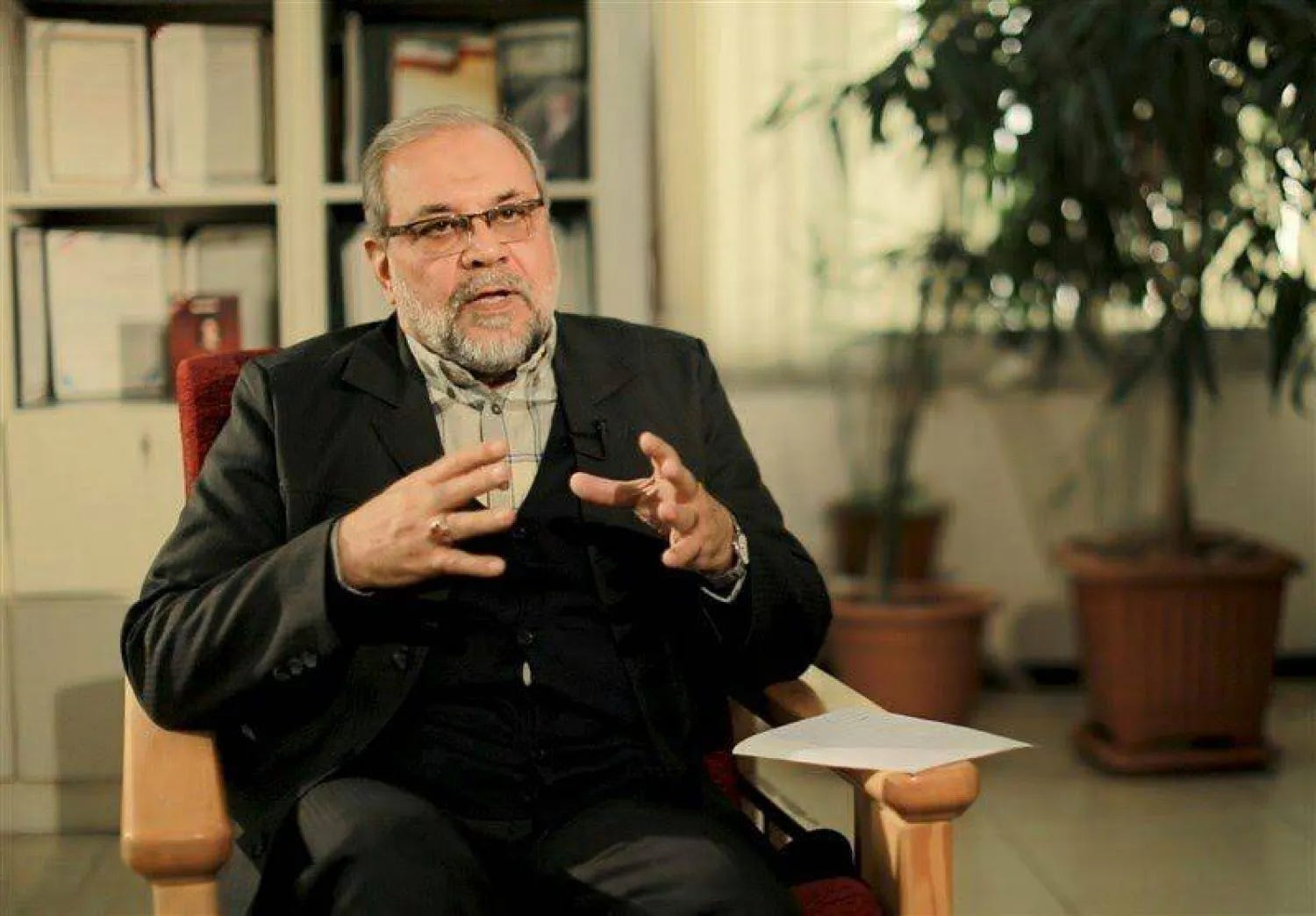
At a highly sensitive moment amid escalating regional confrontation and mounting pressure on the structure of the Iranian system the appointment of Mohammad Bagher Zolghadr as Secretary of the Supreme National Security Council places a founding-generation member of the Islamic Revolutionary Guard Corps (IRGC) at the intersection of security and politics, and of operational command and strategic planning.
This appointment cannot be separated from a broader context of restructuring decision-making centers within the system, at a time when calculations of war intersect with the prospects of negotiation, and when considerations of internal control and institutional cohesion are prioritized over political flexibility.
In light of Zolghadr’s accumulated trajectory within the IRGC and his subsequent transition into governmental, judicial, and senior institutional roles this appointment derives its significance both as a continuation of a long-standing path within the system’s structure and as an indicator of the nature of the choices shaping the current phase.
Who is Mohammad Bagher Zolghadr?
Mohammad Bagher Zolghadr was born in 1954 in the city of Fasa, in Iran’s southern Fars Province, within a political and social context that preceded the fall of the Pahlavi regime. He became involved early in religious and political opposition activities before the victory of the Islamic Revolution in 1979.
Zolghadr pursued higher education at the University of Tehran, earning a bachelor’s degree in economics before continuing his graduate studies in public administration, culminating in a PhD in strategic management. His academic path reflects a blend of economic and administrative training that would later characterize his presence in decision-making roles.
Prior to the revolution, Zolghadr was associated with the armed group “Mansouroun,” one of the Islamist organizations active at the time against the Pahlavi regime. Some accounts indicate that in 1978, alongside Mohsen Rezaei, he participated in an operation targeting an American engineer and an oil company executive, as part of attacks carried out by such groups against Western interests in Iran.
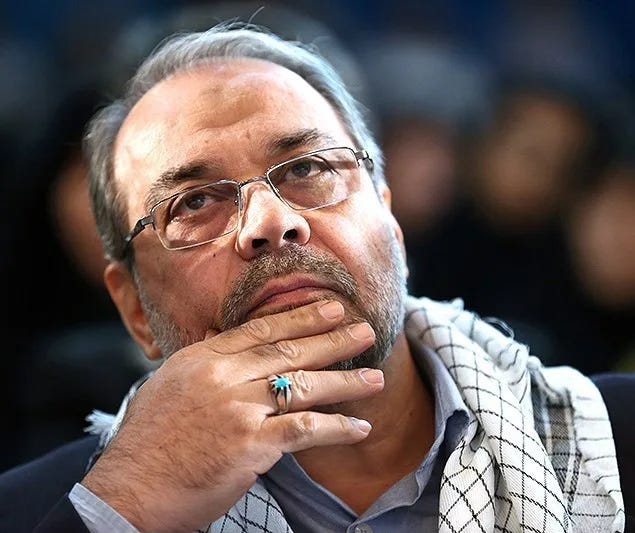
On the familial-political level, Zolghadr is linked to an extended network within state institutions. He is the father-in-law of Kazem Gharibabadi, Iran’s Deputy Foreign Minister for Legal and International Affairs, and one of the most prominent security-background figures in Iran’s diplomatic apparatus and nuclear negotiation team.
Gharibabadi has previously held sensitive positions, including Deputy Head of the Judiciary, head of the Human Rights Committee, and Iran’s ambassador to international organizations in Vienna, particularly the International Atomic Energy Agency.
Within Iranian circles, such familial ties are often viewed as part of a broader network of influence, reflecting Zolghadr’s ability to exert presence across multiple sovereign institutions not only through formal office thereby reinforcing his standing within the system and extending his reach beyond conventional bureaucratic roles.
From Revolutionary Committees to the Heart of the IRGC
Following the victory of the Islamic Revolution in 1979, Zolghadr became integrated into the new organizational structure of the system, joining the Islamic Revolution Mujahideen Organization within its right-wing faction. This continued a trajectory linked to armed groups opposed to the Pahlavi regime, including Ansar Hezbollah, alongside figures who would later rise within the IRGC such as Mohsen Rezaei, Ali Shamkhani, and Gholam Ali Rashid.
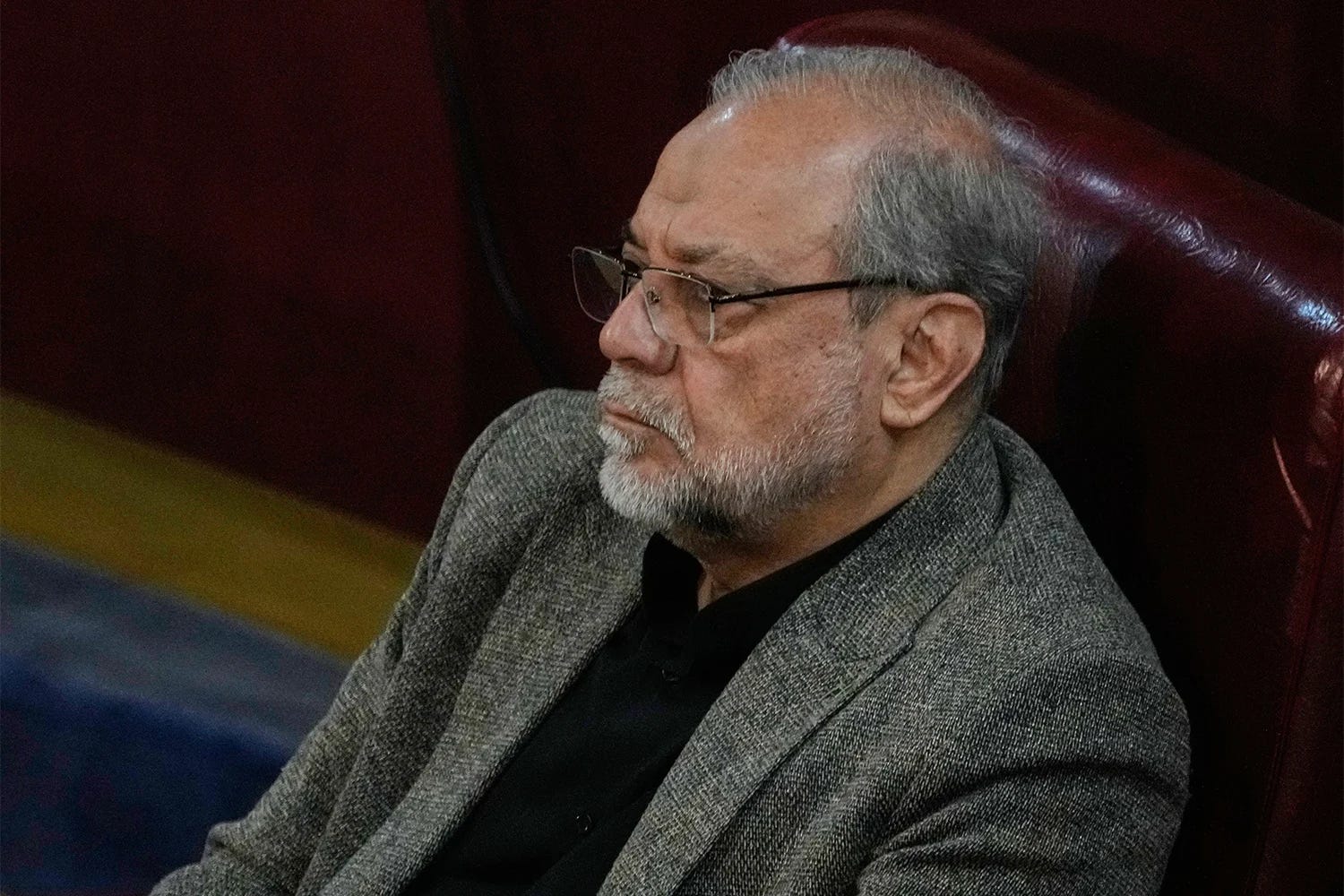
He began his activities in the revolutionary committees before moving into the IRGC, where he rose through organizational and military ranks. During the Iran-Iraq War (1980–1988), he was responsible for training before taking command of the “Ramadan Headquarters,” which oversaw unconventional warfare.
The Ramadan Headquarters served as a framework for the IRGC’s external operations, managing cross-border missions and coordinating with Iraqi Kurdish and Shiite opposition groups against Saddam Hussein’s regime. Its activities focused on the Iraqi theater and contributed to developing patterns of irregular warfare that later evolved into more specialized formations, including the Quds Force.
After the war, Zolghadr continued his military leadership trajectory, serving as Chief of Staff of the IRGC for eight years, followed by eight years as Deputy Commander-in-Chief. He later became Assistant for Basij Affairs at the General Staff of the Armed Forces, and in 2007 was appointed Deputy Chief of the General Staff.
His presence at the highest levels of IRGC leadership spans 16 years, reflecting his position within the institution’s founding generation and his role in shaping its organizational and operational structure.
From the IRGC to Governance
Zolghadr transitioned into government through the Ministry of Interior, where in 2005 he was appointed Acting Interior Minister and Deputy for Security and Law Enforcement Affairs, placing him at the center of internal security management during a sensitive political period.
He later moved to the judiciary. In early 2010, Iran’s official IRNA news agency announced his appointment as an advisor to the head of the judiciary, before he assumed the role of Assistant for Social Protection and Crime Prevention in the same year.
He subsequently rose within the institution, becoming Strategic Deputy and later Vice President of the Judiciary for Strategic Affairs, Social Security, and Crime Prevention marking a shift of his security expertise into societal and judicial domains.
As his institutional presence expanded, he was appointed Secretary of the Expediency Discernment Council on September 19, 2021, by its chairman Sadeq Amoli Larijani with the approval of the Supreme Leader. He also became a member of the council, securing a position within one of Iran’s most important strategic decision-making bodies.
Zolghadr’s career combines security and judicial roles, alongside executive experience in the Ministry of Interior during President Mahmoud Ahmadinejad’s tenure, where he served as Deputy Interior Minister for Security Affairs.
He later returned to military structures in December 2007 when Supreme Leader Ali Khamenei appointed him Deputy Chief of the General Staff for Basij Affairs a newly created position at the time.
On March 24, 2026, he was appointed Secretary of Iran’s Supreme National Security Council, a move that places him at the apex of security-political coordination in the state.
Consolidating the Conservative Line
Zolghadr emerged during the reform era as one of the military figures aligned with the conservative camp within the IRGC, at a time when President Mohammad Khatami sought to expand public space and redefine state-society relations, building on the reconstruction path led by Ali Akbar Hashemi Rafsanjani. Security and military power centers, however, approached this trajectory cautiously, aiming to preserve the cohesion of the political and security structure.
In this context, Zolghadr appears as an institutional security heavyweight, combining his IRGC background with membership in the Expediency Discernment Council placing him within the circle of influence over high-level decision-making, particularly in files where politics intersects with security.
His selection reflects the system’s need for a figure capable of managing an extremely sensitive post, succeeding Ali Larijani, whose name was associated with a central role in bridging political and security spheres within governance. This transition raises questions about maintaining balance between these dimensions in managing the council.
The appointment fits within a cumulative pattern of selecting figures with hybrid expertise combining military backgrounds with the ability to handle strategic files in a position directly linked to the Supreme Leader’s office and top decision-making centers.
It also comes amid a sharp escalation, following attacks targeting figures within Iran’s political and security structure, including the assassination of former council secretary Ali Larijani, as part of a series of operations targeting senior leadership in recent weeks. This places the appointment within a broader effort to reassert centralized security decision-making under pressure.
Between Negotiation and Confrontation
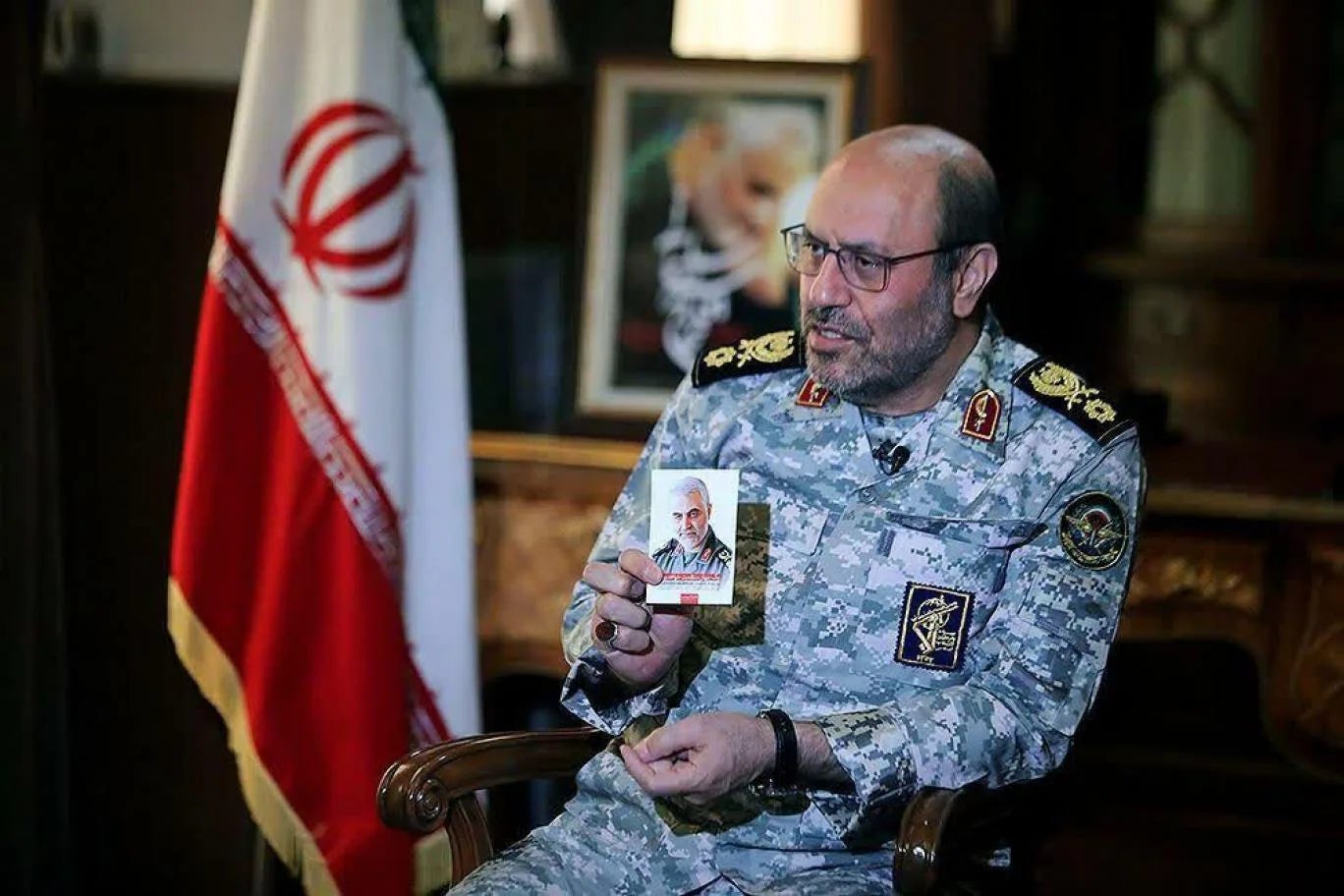
Zolghadr’s appointment settles speculation that followed the circulation of General Hossein Dehghan’s name later denied. Dehghan, given his ties to former President Hassan Rouhani, represented an option aligned with the orientation of President Masoud Pezeshkian, who is backed by reformist currents. However, his institutional weight does not match the decades-long accumulation of influence Zolghadr holds within the system.
The appointment signals a shift in the type of dynamics required for the role. While Ali Larijani was associated with balance, negotiation, and inter-institutional coordination, Zolghadr comes from a background inclined toward structural discipline and direct security management reflecting a change in the nature of the role itself.
This shift is tied to the nature of the current phase, as an environment of open confrontation drives the elevation of figures accepted within security and military networks, and experienced in managing sensitive files within a centralized and disciplined framework.
The appointment also intersects with indications of renewed negotiation tracks, following U.S. President Donald Trump’s announcement of potential communication channels with figures inside the Iranian system. In this context, the decision appears as part of recalibrating decision-making channels and preventing parallel tracks that could undermine official cohesion, particularly as the new leadership seeks alignment with the IRGC.
Ultimately, the appointment reflects the continued predominance of a security-oriented approach in managing the current phase, with a stronger presence of the “resistance and confrontation” school within decision-making structures, at the expense of currents advocating gradualism, openness, and expanded maneuverability through partial settlements.
