

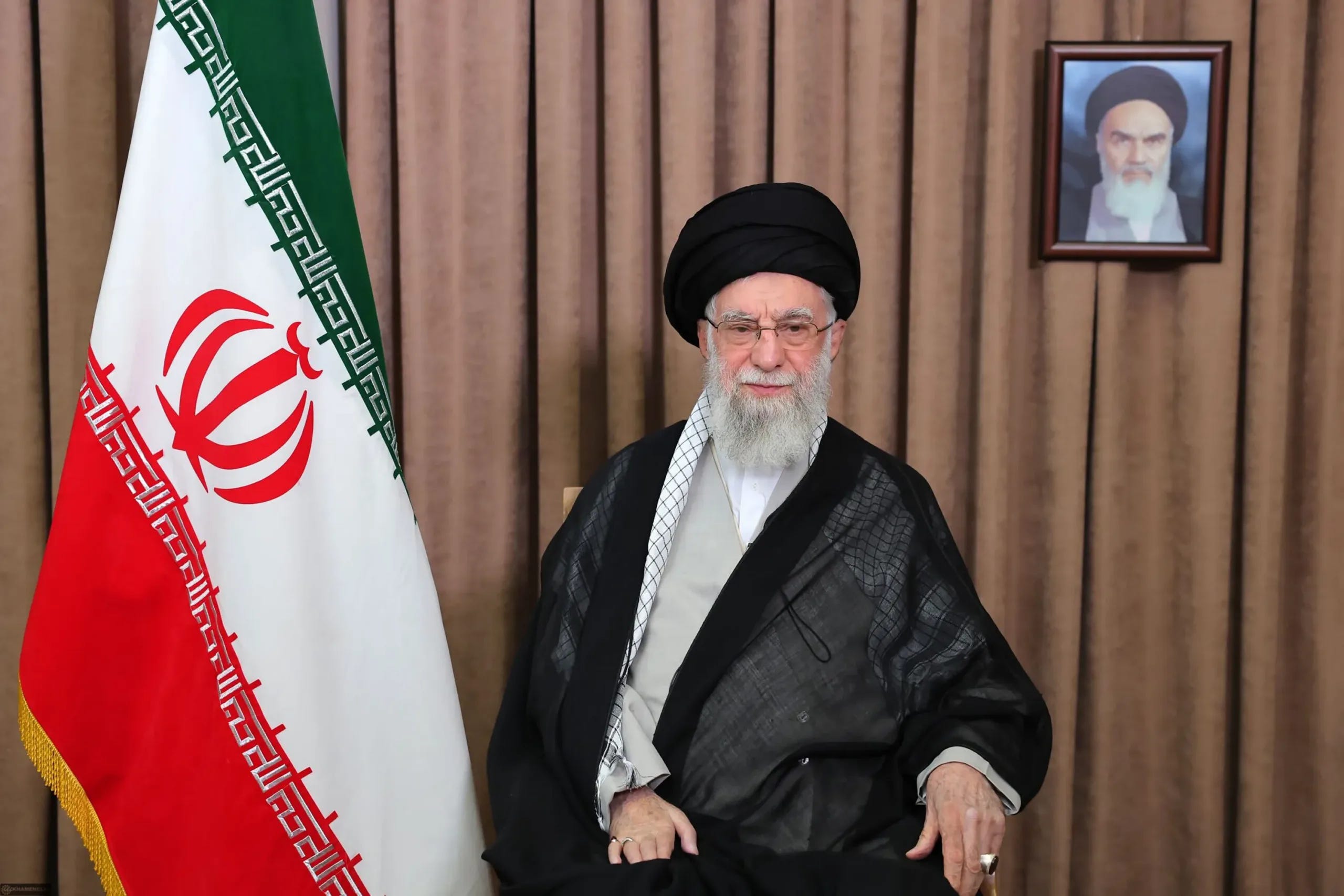
With the assassination of Iran’s Supreme Leader, Ali Khamenei, the Islamic Republic enters the most perilous moment in its history since its founding in 1979. The man who effectively ruled Iran from 1989 onward reshaping its internal balance of power and extending its regional influence has fallen in the midst of a war targeting the very architecture of the regime.
His killing transcends the loss of a senior political figure; it marks the end of an era spanning more than three decades, during which strategic decision-making was concentrated in a position designed to serve as the ultimate guarantor of the revolutionary state’s stability and continuity.
The office of the Supreme Leader has long embodied the singular nature of the system born of the Islamic Revolution. The Islamic Republic was neither constructed as a conventional presidential system nor as a purely theocratic state.
Rather, it emerged as a hybrid formula blending religious legitimacy with political authority, erecting above the formal institutions of the state a parallel structure centered on the Supreme Leader and the organs of the revolution chief among them the Islamic Revolutionary Guard Corps (IRGC). This supra-institutional framework regulated the tempo of the state and defined its political and security boundaries.
Within this structure, Ali Khamenei succeeded Ayatollah Ruhollah Khomeini and became the architect who reengineered the system after its founder’s death in 1989. From the outset of his tenure, he worked to consolidate the centrality of the Supreme Leader’s office, recalibrate internal balances of power, and manage the interplay between elected and unelected institutions.
For three decades, he served as the ultimate arbiter between the regime’s two principal factions reformists and conservatives setting the limits within which each could operate and ensuring the system’s cohesion despite sanctions, protests, and mounting regional and international pressure.
Regionally, Khamenei evolved into a pivotal figure in Middle Eastern geopolitics. His leadership produced a strategic doctrine centered on cultivating a network of regional allies and institutionalizing what became known as the “Axis of Resistance” as both a deterrent instrument and a means of constructing cross-border strategic depth. The objective was to reshape the regional battlefield environment, culminating in a strategy aimed at encircling Israel through a multi-front posture.
With his assassination, Iran confronts more than the loss of a leader. It faces a deeper question about whether the system he engineered can endure without its core axis of legitimacy, authority, and symbolism. The office of the Supreme Leader represents the nexus where religious legitimacy, political decision-making, and the security apparatus converge.
Its abrupt rupture amid open war ushers Iran into an unprecedented transitional phase, defined by a singular question: can a figure of comparable weight be reproduced to anchor the next chapter of its history?
Early Life and Background
Ali Hosseini Khamenei was born on April 19, 1939, in Mashhad in northeastern Iran, into a conservative religious family of modest middle-class means. His father was a locally respected cleric, placing him early within Iran’s traditional religious establishment, particularly in a city regarded as one of the country’s foremost spiritual centers.
Accounts of his childhood point to relatively modest living conditions; the family resided in a simple home in one of old Mashhad’s neighborhoods. This background later contributed to the image he cultivated as a figure rooted in traditional, non-elite circles and connected to Iran’s conservative social strata.
His family traced its origins to the Iranian Azerbaijan region, with some members historically linked to the Shiite seminaries of Najaf in Iraq. This geographical and cultural extension connected him early on to a broader network of Shiite religious authority beyond Mashhad.
He began his education in traditional religious schools before embarking on a comprehensive clerical path at a young age. His upbringing unfolded against the politically volatile climate of 1940s and 1950s Iran, marked by unrest and the rise of opposition currents to Shah Mohammad Reza Pahlavi a context that would later shape his transition from the religious sphere into political activism.
In his personal life, Khamenei married Mansoureh Khojasteh Bagherzadeh, and they had six children: Mostafa, Mojtaba, Masoud, Meitham, Boshra, and Hoda. Although his family life largely remained out of public view, Mojtaba Khamenei’s name surfaced in recent years within discussions of influence circles inside the system. Nonetheless, the family maintained a low public profile consistent with Iran’s ruling clerical class.
Intellectual Formation
Khamenei pursued traditional clerical studies in Mashhad before relocating to Qom, Iran’s foremost center of Shiite scholarship. There, he specialized in jurisprudence and its principles, along with Quranic exegesis, hadith studies, and Islamic philosophy.
In Qom, he studied under leading scholars of the time, including Ayatollah Ruhollah Khomeini, who would later lead the 1979 revolution. This early relationship profoundly shaped Khamenei’s intellectual and political trajectory, particularly regarding the doctrine of Wilayat al-Faqih the guardianship of the jurist.
He also spent time studying in Najaf, Iraq, then a parallel center of Shiite learning. Exposure to both Qom and Najaf broadened his intellectual horizons and acquainted him with diverse jurisprudential and political approaches within Shiism.
His intellectual formation extended beyond traditional jurisprudence. He demonstrated early interest in Arabic and Persian literature and engaged with modern Islamic thought, including the writings of Sayyid Qutb and other Arab Islamist theorists. This influence later infused his rhetoric with a broader ideological dimension, moving beyond strictly seminary discourse toward a mobilizational political language.
Political Activism Before the Revolution
In the early 1960s, amid mounting opposition to Shah Mohammad Reza Pahlavi’s “White Revolution,” Khamenei emerged from purely scholarly pursuits into political activism. Aligning with Khomeini’s opposition movement, he criticized Westernization policies, Iran’s ties with the United States, and the monarchical system.
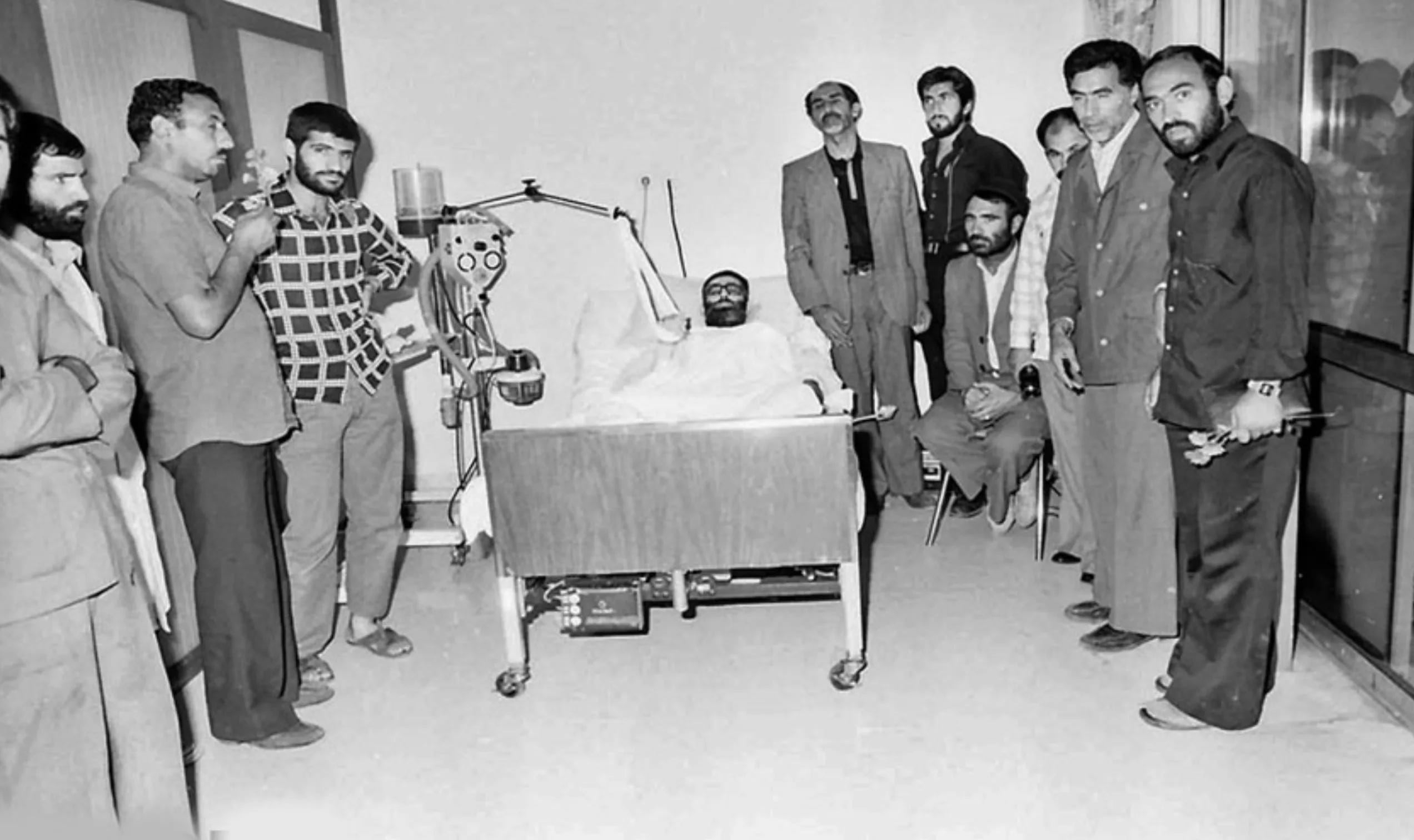
He delivered speeches, organized educational circles, and participated in informal networks disseminating anti-regime messaging. As a result, he was arrested multiple times during the 1960s and 1970s, first in 1962 for participating in a protest meeting organized by members of the Fada’iyan-e Islam movement in support of Palestine. He also endured internal exile and house arrest.
These measures did not silence him; instead, they enhanced his stature within opposition circles as a figure who had paid a price for his convictions. During this period, he forged ties with figures such as Morteza Motahhari, Akbar Hashemi Rafsanjani, Mahmoud Taleghani, Mehdi Bazargan, and others who would later shape the post-revolutionary state.
Rise After the Revolution
Following the Islamic Revolution’s victory in February 1979, Khamenei transitioned from opposition activist to state-builder. He served on the Revolutionary Council and helped establish the Islamic Republican Party.
In June 1981, he survived an assassination attempt that left his right arm permanently paralyzed, earning him the moniker “the living martyr.” Months later, after President Abolhassan Banisadr’s removal, Khamenei was elected president in October 1981 and reelected in 1985, serving until 1989.
His presidency coincided with the Iran–Iraq War (1980–1988), strengthening his ties with the military establishment, particularly the IRGC. This period marked his evolution from revolutionary figure to seasoned statesman.
Becoming Supreme Leader
Ayatollah Khomeini’s death on June 3, 1989, triggered a pivotal succession debate within the Assembly of Experts. Although the 1979 constitution permitted collective leadership, the body ultimately selected Khamenei as Supreme Leader initially on a provisional basis despite questions about his clerical rank. A constitutional amendment later that year removed the requirement of supreme religious authority, solidifying his position.
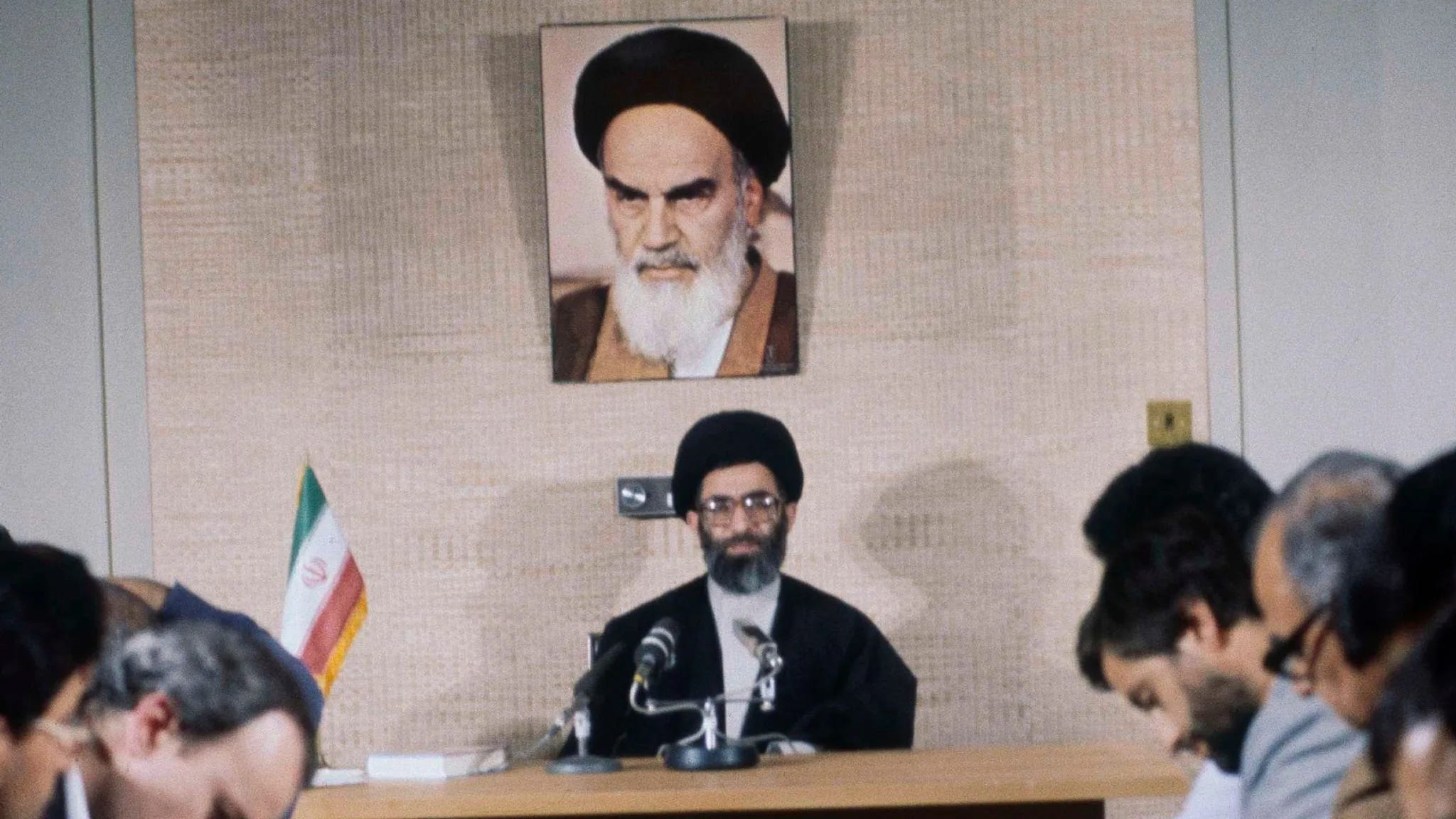
Over subsequent decades, the office of the Supreme Leader transformed into the state’s strategic epicenter, overseeing military appointments, foreign policy direction, and political boundaries.
Regional Doctrine: Strategic Depth and Multi-Front Deterrence
From 1989 onward, Khamenei treated foreign policy as an extension of national security doctrine. The strategy that took shape under his leadership sought to move confrontation lines beyond Iran’s borders and construct preventative geopolitical depth.
This translated into support for Hezbollah in Lebanon, expanded influence in Iraq after 2003, decisive backing of the Syrian government after 2011, and support for Palestinian groups such as Hamas and Palestinian Islamic Jihad. The Quds Force commander Qassem Soleimani became the operational executor of this strategy, acting with Khamenei’s direct political trust.
Israel and Western analysts described this posture as an attempt to encircle Israel with a “ring of fire.” Tehran framed it as a deterrence network designed to prevent war from reaching Iranian soil.
Managing Internal Balances
Domestically, Khamenei managed a delicate equilibrium between reformists, conservatives, and the growing institutional power of the IRGC. While allowing limited political pluralism particularly during Mohammad Khatami’s presidency he preserved the core pillars of the system: the primacy of the Supreme Leader, clerical authority, and the IRGC’s central role.
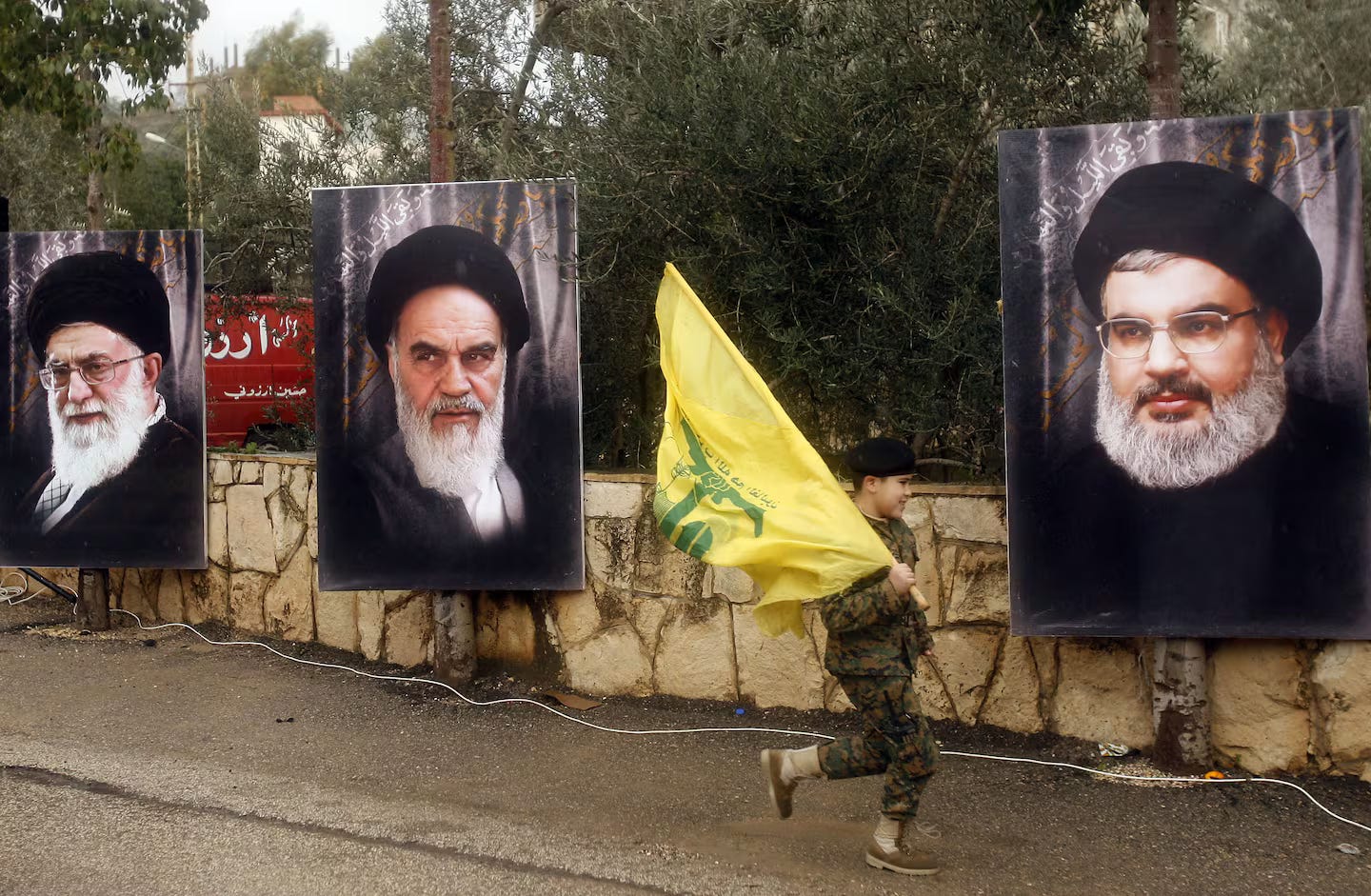
Through constitutional mechanisms such as the Guardian Council and the strengthening of security institutions, he maintained systemic stability amid waves of protest in 1999, 2009, 2017, 2019, and 2022.
The Succession Dilemma
Debate over Khamenei’s succession predates the current war, driven by age and health concerns. Constitutionally, the Assembly of Experts selects the Supreme Leader, either as an individual or as a collective body. Yet since 1989, the model of singular leadership has prevailed.
Names discussed include Mojtaba Khamenei, Mohsen Qomi, Alireza Arafi, Mohsen Araki, Gholam-Hossein Mohseni-Ejei, Hashem Hosseini Bushehri, and even Ali Larijani. Ultimately, however, the decisive factor will likely be the stance of the IRGC, whose institutional weight has grown substantially under Khamenei.
The true test is not merely the identity of a successor but whether the Islamic Republic can reproduce a comparable center of gravity at a moment of open war and existential threat. That question, more than any individual name, will shape the republic’s next chapter.
