

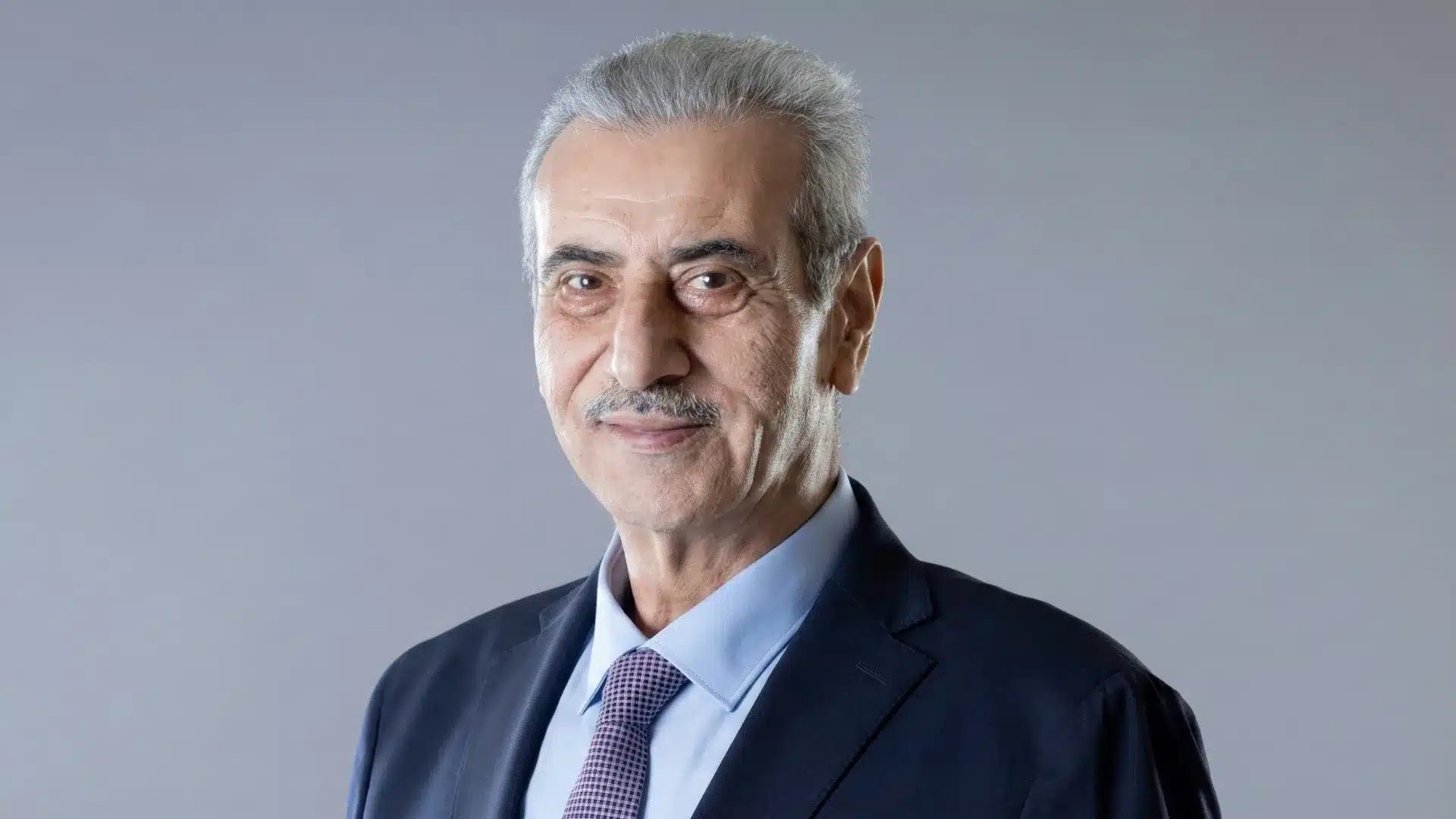
On January 14, 2026, Egypt, Qatar, and Turkey jointly announced the completion of the formation of the Palestinian technocratic committee tasked with governing the Gaza Strip. The announcement marks a major step in the second phase of the ceasefire agreement for Gaza, initially unveiled on October 9, 2025, in the Egyptian city of Sharm El-Sheikh.
This committee, which will oversee the daily affairs of Gaza, is a key component of the U.S.-backed roadmap proposed by former President Donald Trump to reorganize the governance of the Strip after more than two years of devastating war. The conflict resulted in hundreds of thousands of deaths and injuries, and triggered large-scale internal and external displacement.
Mediators reached consensus on appointing Dr. Ali Abdelhamid Shaath as head of the committee, viewing the decision as a significant step toward enhancing stability and improving humanitarian conditions in Gaza. But who is Ali Shaath, and what experience does he bring to the role?
Ali Shaath: Son of Khan Younis
Born in 1958 in the southern Gaza city of Khan Younis, Ali Shaath hails from a prominent family with deep roots in national and political life. The majority of his extended clan have long been affiliated with the Fatah movement.
The Shaath family is among the most influential Palestinian families, having contributed for decades to the political, cultural, and economic fabric of Palestine, particularly in Gaza. The family’s name has been associated with national activism and diplomacy, and has produced renowned scholars, engineers, and politicians who have left their mark across the Arab world and internationally.
The family’s origins trace back to Khan Younis, and they are considered part of Gaza’s intellectual and political elite. Historically, they were landowners and traders before shifting toward higher education in the early 20th century.
Following the Nakba and the subsequent upheavals, the family dispersed across the region, giving it a broad regional footprint, with core communities in Khan Younis and Gaza City, a significant branch in Egypt, and others in Ramallah, Lebanon, and Jordan. Members of the family are also present in the United States and Europe.
Since its early days, the family has been engaged in the Palestinian national movement, closely aligned with Fatah and the Palestine Liberation Organization (PLO), while maintaining its image as an educated, technocratic pillar within these movements.
Among the family’s notable historical figures are Dr. Nabil Shaath, the veteran politician and former foreign minister; Dr. Ali Rashid Shaath, a pioneer in education and economic development; and the late Ali Shaath, a digital activist and IT expert who left a lasting legacy in Arab tech content before his passing in 2013.
Education: From Cairo to Belfast
Shaath’s academic journey took him from Egypt to the United Kingdom:
He earned his bachelor’s degree in civil engineering from Ain Shams University in Cairo in 1982, followed by a master’s degree in 1986.
In 1989, he completed a Ph.D. in civil engineering from Queen’s University in Belfast, specializing in infrastructure planning and urban development.
Extensive Experience in Development Planning
Shaath brings decades of expertise in development planning, economic reform, reconstruction, and infrastructure development. His career spans government roles within the Palestinian Authority, executive management, and consultancy work. He has:
Contributed to drafting strategic development plans for the State of Palestine.
Oversaw critical infrastructure and road network projects, playing a key role in urban planning and regional development.
His extensive background in reconstruction and urban planning is widely seen as the primary reason for his nomination to lead the Gaza technocratic committee.
Executive Experience, Limited Political Exposure
Shaath has had limited formal political involvement and has not been affiliated with any party or institutional body. However, his professional experience includes several prominent roles:
Deputy to former Minister of Planning and International Cooperation Nabil Shaath during the early days of the Palestinian Authority, contributing to planning and strategic initiatives.
Undersecretary at the Ministry of Transport and Communications, where he helped enhance infrastructure and road networks.
CEO of the Palestinian Industrial Estates and Free Zones Authority.
Chairman of the Palestinian Housing Council.
Head of the Palestinian Ports Authority.
Member of the final-status negotiations team in 2005.
Advisor to the Palestinian Economic Council for Development and Reconstruction (PECDAR).
Advisor to the Minister of Public Works and Housing, despite his retirement.
The Technocratic Committee: Purpose and Structure
The National Committee for the Administration of Gaza, also known as the “Technocratic Committee,” which Shaath now leads, is the centerpiece of the “second phase” of the ceasefire and reconstruction framework agreed upon in mid-January 2026.
Composed of 15 independent, non-partisan figures from Gaza, the committee aims to unify service administration and distance it from political rivalries.
Its mandate includes managing day-to-day affairs and preparing for the post-war era, with oversight of critical sectors such as health, education, and local governance to ensure continuity of essential services.
The committee is also responsible for internal security, reconstruction efforts, and assuming administrative control from Hamas. It coordinates closely with international partners and operates under the supervision of the “Peace Council,” led by Nikolay Mladenov, while liaising with donors and key intermediaries (Egypt, Qatar, Turkey, and the U.S.).
In addition to Ali Shaath as chair, other key figures include:
Maj. Gen. Sami Nasman – Oversees internal security; a respected professional tasked with rebuilding Gaza’s civil police forces.
Aed Abu Ramadan – Responsible for industry and the economy; a seasoned economist and former president of Gaza’s Chamber of Commerce, tasked with revitalizing the private sector and local markets.
Hanaa Terzi – Oversees relief and social solidarity; a prominent humanitarian figure who coordinates with UNRWA and international aid organizations.
Nikolay Mladenov – Serves as Director General of the Peace Council, managing international coordination and ensuring continued financial support for the committee’s work.
The committee represents a model of independent institutional governance aimed at stabilizing Gaza’s civil and economic landscape, while serving as a vital conduit between local authorities and international stakeholders to ensure a successful post-war transition.
Legitimacy and International Backing
The committee, and Shaath in particular, have received formal backing from the Palestinian presidency, represented by Hussein al-Sheikh, who emphasized the importance of rule of law and unity of governance. The committee also gained broad acceptance from Palestinian factions during the Cairo meetings in January 2026, bolstering its local political legitimacy.
The committee is considered a product of the revised “Trump Peace Plan” and enjoys strong support from Egypt and Turkey, both keen to prevent a resurgence of chaos or renewed armed conflict in the Strip.
In a joint statement after meetings in Cairo, Palestinian factions — including Hamas — expressed support for the mediators’ efforts in forming the transitional national committee to manage Gaza and stressed their commitment to facilitating a smooth transfer of authority.
Hamas has repeatedly declared that it seeks no role in the new governance framework and will limit itself to monitoring the handover process to ensure stability and accelerate reconstruction.
The Palestinian presidency also issued a statement affirming its support for the formation of the transitional committee.
The committee held its first official meeting in Cairo on January 15, 2026, during which it began outlining its “First 30-Day Plan,” focusing on key priorities: reopening border crossings, restoring security, clearing debris, and restoring basic services.
What Is Israel’s Position?
Israel’s domestic intelligence agency, Shin Bet, reportedly approved the formation of Shaath’s committee during a session of the Israeli Security Cabinet. Shin Bet chief David Zini presented the names of the 15 members, confirming they are not affiliated with Hamas but maintain links to the Palestinian Authority.
However, Israeli National Security Minister Itamar Ben-Gvir objected to Shaath’s appointment, citing his past role as deputy planning minister under the late President Yasser Arafat and his current affiliation with the Palestinian Authority. Ben-Gvir voiced his objection to Shin Bet’s chief, questioning sarcastically whether Shaath had suddenly transformed from a senior PA official into a human rights activist.
Zini responded that Shaath met the criteria set by the political leadership.
International Reactions
United States: Washington described Shaath as a “reliable, non-partisan” partner capable of overseeing the transition without legal complications related to factional affiliations. American media, including The New York Times, portrayed his appointment as part of a revamped peace initiative.
United Nations: The international peace process coordinator expressed optimism, stating that Shaath’s committee would serve as the executive arm of the proposed International Peace Council overseeing Gaza.
Ali Shaath is being widely viewed as the “man of a difficult moment” a consensus figure endorsed by disparate players including Hamas, the Palestinian Authority, international mediators, and the United States. However, the success of the technocratic committee he leads will ultimately depend on the durability of the ceasefire and the sustained flow of international financial support.