

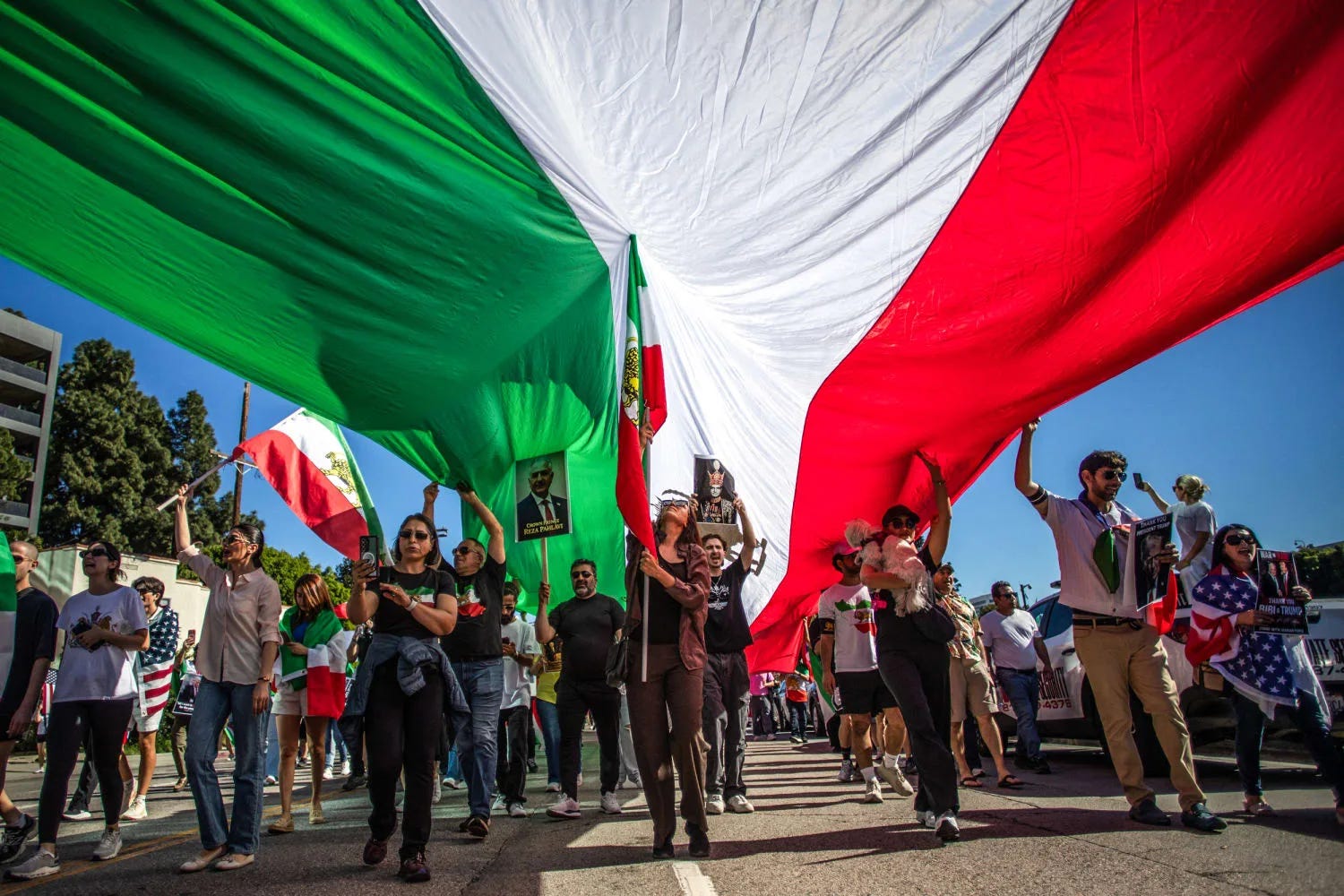
While Israeli and American military strikes on Iran dominate television screens and newspaper headlines and analysts debate the intelligence efforts that preceded and accompanied the attacks other forces are quietly operating within Washington’s broader strategy to pressure Tehran.
These forces represent a complex constellation of actors with diverse agendas and backgrounds. Orbiting around them are opponents of the Supreme Leader’s system, including exile groups, ethnic militias, political dissidents, and human rights activists both inside Iran and across the diaspora.
How, then, has Washington leveraged Iranian opposition forces in its strategy to undermine the rule of the Supreme Leader? In what ways have these actors served the political and intelligence dimensions of American and Israeli military operations? How has Washington helped them construct a narrative of legitimacy and what role has it envisioned for them? This article seeks to answer these questions and more.
An Old Game
Washington’s reliance on dissidents and breakaway groups is not a recent policy. For decades, the United States has mobilized internal actors to advance its international strategic objectives without direct military intervention. Iran has been no exception. Over the years, Washington has funded and mobilized various opposition forces to the Iranian regime, despite the profound differences and sometimes contradictions among them in ideology, goals, and strategies.
From the Mujahedin-e Khalq to supporters of Reza Pahlavi and Kurdish dissident groups, Washington has pursued multiple avenues. What unites these disparate actors is a single objective: destabilizing Iran’s domestic front and applying pressure on the Supreme Leader’s system in pursuit of its eventual collapse.
The map of Iranian opposition has never been static, either geographically or historically. The decades following the Iranian Revolution that toppled the Shah saw continual shifts in the opposition landscape, shaped in part by the prevailing international climate.
Washington’s approach and tools for exploiting these groups also evolved accordingly. Immediately after the Islamic Revolution, opposition forces were divided between monarchists led by Reza Pahlavi and leftist and Marxist factions hostile to the United States.
But the collapse of the Soviet Union in the early 1990s and the formal end of the Cold War prompted many professionals, students, journalists, and academics advocating secularism to leave Iran for exile communities abroad. These diaspora networks gradually formed new coalitions seeking an ideological framework capable of uniting opposition to the Supreme Leader. Many of them adopted a narrative centered on human rights and secular governance as an alternative to the Islamic Republic.
American backing of opposition groups has had a dual effect inside Iran. On the one hand, the Supreme Leader’s establishment has consistently used the narrative of “collaboration with America” to discredit all forms of opposition and rally support among followers of the Islamic Republic and supporters of Ayatollah Ali Khamenei.
On the other hand, some Iranian opposition figures have openly emphasized their ties to Washington in order to win trust and support from segments of society frustrated with the regime particularly those impoverished by U.S. sanctions and the heavy costs of the long-standing Iranian-American confrontation.
Ethnic Minorities: An American Thorn in Tehran’s Side
Iranian and Iraqi Kurds entrenched in the mountainous borderlands between the two countries represent both a source of concern for Tehran and a potential entry point for Washington. This relationship is not new: the CIA has a long history with Kurdish groups in Iraq and Syria, including military training, arms support, and intelligence cooperation.
Today, the agency is once again looking toward Kurdish actors. Their potential role could range from tying down Iranian forces to give popular protests room to gain momentum, to establishing control over northern Iran and opening a corridor through which Israel could strike Iranian territory from within.
Only days after the first American strikes on Tehran part of “Operation Epic Wrath,” launched simultaneously with Israel’s “Lion’s Roar” operation in late February, during which Donald Trump called on Iranians to rise up and seize power White House press secretary Karoline Leavitt confirmed that the U.S. president was in close contact with Iranian opposition groups, foremost among them Kurdish factions.
She said Washington was seriously considering arming and training these groups and providing them with intelligence needed to topple the Iranian government without requiring a U.S. ground invasion.
CNN reported that Trump had been in communication with Mustafa Hijri, leader of the Democratic Party of Iranian Kurdistan, amid statements from Kurdish officials suggesting the party intended to participate in military operations in western Iran in the coming days.
Axios also reported that Trump had contacted Masoud Barzani, leader of the Kurdistan Democratic Party, and Bafel Talabani, head of the Patriotic Union of Kurdistan, just one day after the start of the latest military operation against Iran.
This American approach had been preceded by Israeli pressure to exploit Kurdish groups in the confrontation with Iran. In the months leading up to the latest assault, Mossad reportedly established intelligence networks with Kurdish factions in Syria, Iraq, and Iran.
A Long History of Intelligence Cooperation
The proposed intelligence cooperation between the CIA and Kurdish separatist groups in Iran and Iraq is not emerging in isolation amid the current crisis. The coordination often described as part of a “shadow war” inside Iran relies on communication between the CIA and Iranian dissidents, including ethnic minorities.
Its roots stretch back to Operation Ajax, the 1953 coup that toppled the democratically elected government of Mohammad Mossadegh and restored the Shah to the throne.
Intelligence cooperation has taken many forms over the decades. It has ranged from propaganda campaigns and the mobilization of public protests to gathering sensitive intelligence and activating operational cells within Iran to spread instability, violence, and chaos.
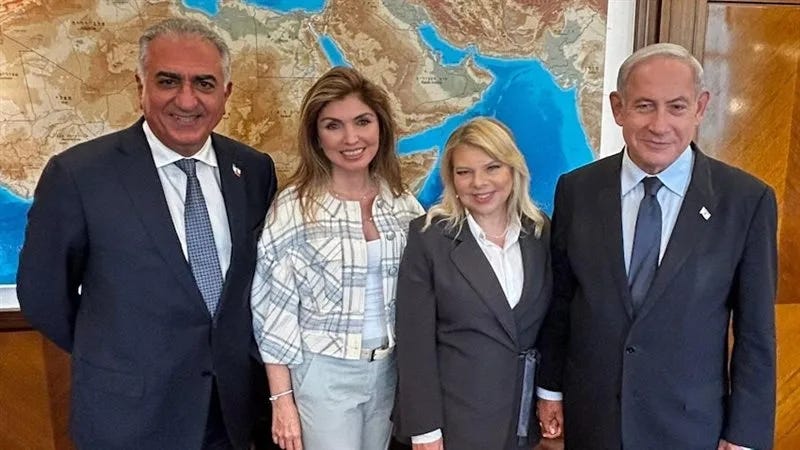
One of the most prominent partners during the 1980s and 1990s was the monarchist movement in exile led by Reza Pahlavi, after the Islamic Revolution overthrew his father in 1979. American reports indicated that Pahlavi received significant CIA backing for years beginning in the 1980s in efforts to challenge the Supreme Leader’s rule.
Another key actor has been the Mujahedin-e Khalq (MEK), a group that has alternated between political activism and functioning as an armed transnational militia. For a long time it attracted Washington’s attention.
Although Washington later designated the MEK a terrorist organization and halted its funding under congressional legislation despite accusations that the United States had initially helped create and finance the group the situation eventually changed. The group’s political arm in Washington, the National Council of Resistance of Iran (NCRI), mounted sustained lobbying efforts to have the organization removed from the terrorism list and to restore support. Iranian officials have long questioned whether Washington ever truly stopped backing the group.
U.S. reports have stated that the MEK provided crucial intelligence on Iranian nuclear facilities at the outset of Washington’s global “war on terror.” Cooperation with the CIA reportedly continued until the group was removed from the terrorist list in 2012.
Reports have also surfaced—including one from ABC News—suggesting that the CIA recruited the Pakistani militant group Jundallah to conduct espionage operations inside Iran, while allocating budgets specifically for intelligence operations targeting Tehran.
Among the groups cooperating with the agency were also Kurdish separatist leaders in the region. Their roles ranged from peaceful opposition to the Supreme Leader’s regime to espionage and armed attacks against Iranian forces. Prominent among them were the Democratic Party of Iranian Kurdistan (KDPI), the Komala Party of Iranian Kurdistan, the Kurdistan Free Life Party (PJAK), the Khbat Party, and the Kurdistan Freedom Party.
The CIA has also maintained a base in Iraq’s Kurdistan Region, facilitating the collection of regional intelligence and coordination among Kurdish factions along the Iranian border.
This complicated relationship dates back to the 1970s, when the CIA used Kurdish groups in operations against Saddam Hussein’s Iraq before temporarily abandoning them following the 1975 Algiers Agreement, which addressed the Iran–Iraq border dispute.
The Weapon of Funding and Human Rights Programs
American funding initiatives under the banner of supporting democracy in Iran have long served as an important channel for guiding and shaping opposition movements. Over decades, Washington has allocated substantial sums to Iranian opposition actors, supporting civil society and human rights organizations aligned with U.S. priorities while also funding internet infrastructure, radio broadcasts, and media outlets critical of the regime and encouraging dissent.
Washington diversified its entry points into Iranian society. Support was not limited to armed militias or explicitly political opposition groups calling for the overthrow of the Supreme Leader’s system. It also extended for years to civil society organizations and social actors operating under the banner of human rights advocacy from women’s rights and children’s rights to labor rights and religious freedom.
Following the September 11 attacks, Washington sharpened its rhetoric toward Tehran. President George W. Bush famously labeled Iran part of the “Axis of Evil,” yet continued to frame policy in terms of reform rather than explicit regime change. In 2002, Congress allocated $20 million to promote democracy in Iran.
In 2006, the Bush administration requested an additional $75 million for reform and democracy initiatives. Of that amount, $36.1 million was directed to Voice of America and Radio Farda, two U.S.-backed Persian-language broadcasters. The remainder was distributed among human rights and civil society organizations inside and outside Iran, including the Iran Human Rights Documentation Center based in Connecticut.
The National Endowment for Democracy (NED), funded by the U.S. Congress, has also played a significant role in financing Iranian opposition initiatives. Since the early 1990s, the organization has supported activists, journalists, and institutions critical of the Iranian government, providing generous funding to civil society organizations focused on documenting human rights violations by Iranian authorities.
Critics have long accused the NED of serving as a cover for U.S. intelligence operations aimed at destabilizing governments and interfering in internal affairs.
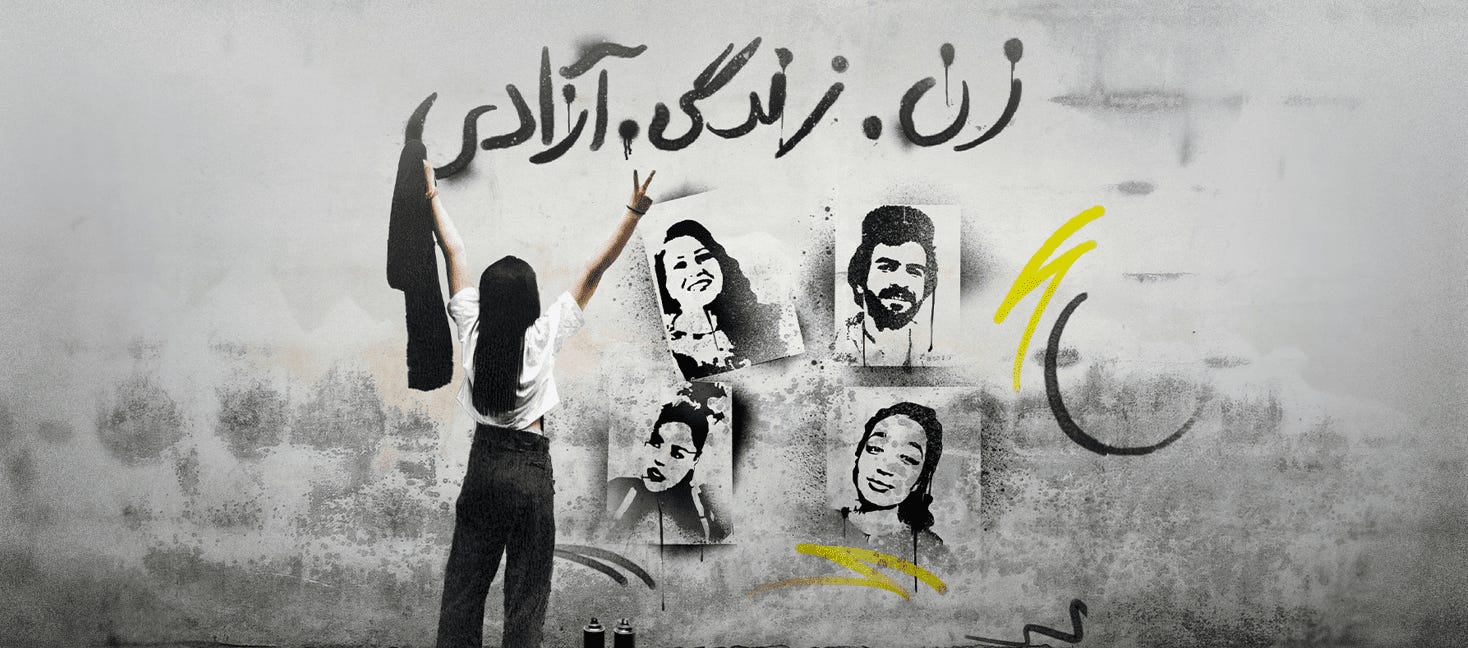
Among the movements supported by the NED was the Iranian protest movement “Woman, Life, Freedom,” which emerged in 2022 following the death of Kurdish woman Mahsa Amini while in police custody in Tehran. While the organization does not publicly disclose exact figures or recipients, it allocated $283 million in 2023 for 1,989 projects and initiatives worldwide centered on rights and freedoms.
Another recipient has been the organization Democracy for Iran, which openly calls for the overthrow of the Supreme Leader’s system. Based in the United States, it includes Iranian opposition figures focused on documenting human rights conditions and promoting a democratic alternative aligned with Washington’s political vision for Tehran.
Washington has also funded initiatives through other channels, including the Near East Regional Democracy (NERD) fund an initiative established by the U.S. State Department in 2009 during the Obama administration specifically to support civil society and anti-regime media in Iran. With a budget of roughly $600 million, it replaced an earlier program known as the Iran Democracy Fund created by the Bush administration in 2006.
While the earlier initiative emphasized internet freedom and documenting protests inside Iran, the Obama administration shifted toward supporting external soft-power programs—training journalists, documenting human rights violations, and providing tools such as VPNs to circumvent internet censorship.
Funding for these programs has occasionally faced restrictions in Congress and was cut several times during the Trump administration, which criticized certain foreign aid programs as unnecessary spending. The cuts sparked criticism from both American and Iranian pro-opposition voices who argued that such measures effectively silenced the Iranian opposition during critical moments.
Civil society organizations focused on information and narrative-building also received funding from the U.S. government’s Global Engagement Center, which supported media initiatives targeting Russia, China, and Iran before being shut down in December 2024 by the Trump administration on grounds of inefficiency.
Media: Washington’s Soft Weapon
Washington has also deployed media as a tool to empower Iranian opposition movements. It established and funded Persian-language outlets such as Radio Farda and Voice of America, which broadcast via satellite to Iranian audiences in order to bypass internet restrictions and present narratives that challenge Iran’s state media.
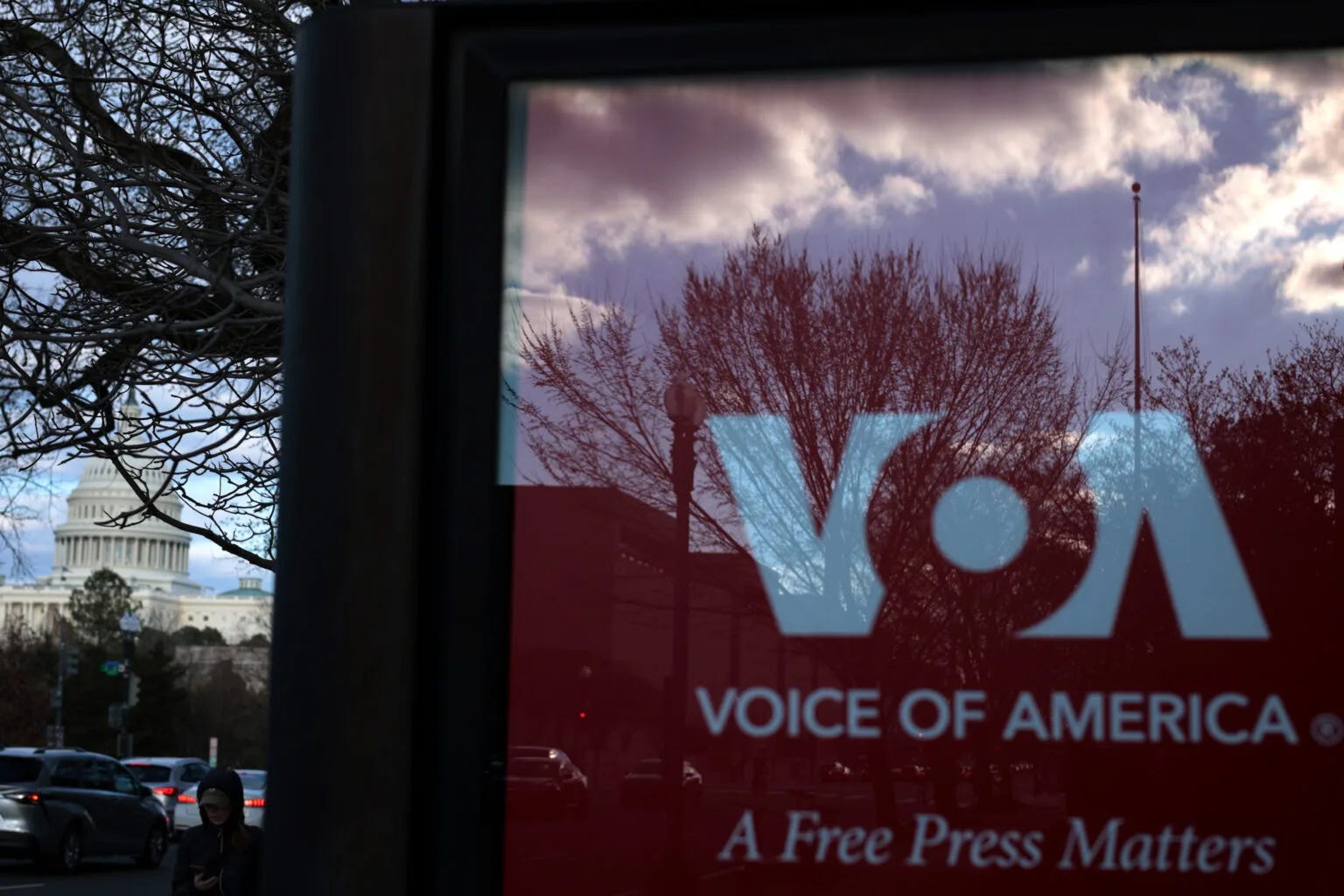
Voice of America receives funding from Congress through the U.S. Agency for Global Media, with a budget reaching $199.5 million for the broadcaster and $643 million for the parent agency in the 2026 fiscal year. Similarly, Radio Farda has functioned as Washington’s radio arm targeting Iran, though recent decisions by the Trump administration threatening funding cuts have cast uncertainty over its future.
Washington has also supported internet freedom initiatives designed to maintain communication among protesters during periods of government-imposed online restrictions. One such effort is the 2026 “Internet Access and Use Now for Iran Act” (IRAN Act), aimed at developing satellite broadcasting strategies and VPN tools while ensuring that U.S. sanctions do not block the technologies needed by Iranian opposition activists to organize inside the country.
Another legislative initiative, the “Iran Human Rights, Internet Freedom, and Accountability Act,” seeks to expand programs such as the Iran Internet Freedom Grant one of several initiatives funded by the U.S. State Department and the Open Technology Fund to support opposition networks.
At the same time, Washington has offered opposition figures advocating regime change broad access to U.S. media platforms and political coordination within the United States. Iranian dissidents have frequently appeared in major American media outlets as voices representing the Iranian people, while opposition-led events and campaigns have received logistical, financial, and media support.
Following the latest U.S. military campaign against Tehran, American media significantly amplified the presence of Iranian opposition voices across television and news programming. Figures such as Masih Alinejad and Goldie Ghamari appeared repeatedly on Fox News, calling for stronger U.S. pressure to topple the Iranian government.
Other networks including CNN, NBC, and NewsNation similarly gave platforms to Iranian diaspora activists, journalists, and Kurdish opposition figures. Many of these voices advocated dismantling the Islamic Republic either through intensified U.S. military strikes or through a transition toward a secular government modeled on Western systems.
Critics, however, have accused segments of the U.S. media of promoting a selective narrative that focuses on particular opposition figures while ignoring alternative perspectives turning the media landscape, in their view, into an extension of political propaganda during the current crisis.
Mobilization and the Iranian Lobby
Beyond media exposure, Washington has also supported conferences and gatherings of Iranian opposition groups inside the United States aimed at consolidating and mobilizing dissent abroad.
In 2023, prominent opposition figures including Reza Pahlavi, Masih Alinejad, and Nobel laureate Shirin Ebadi held a widely publicized conference at Georgetown University in Washington, D.C. The event sought to highlight younger opposition voices and introduce them to media and public audiences.
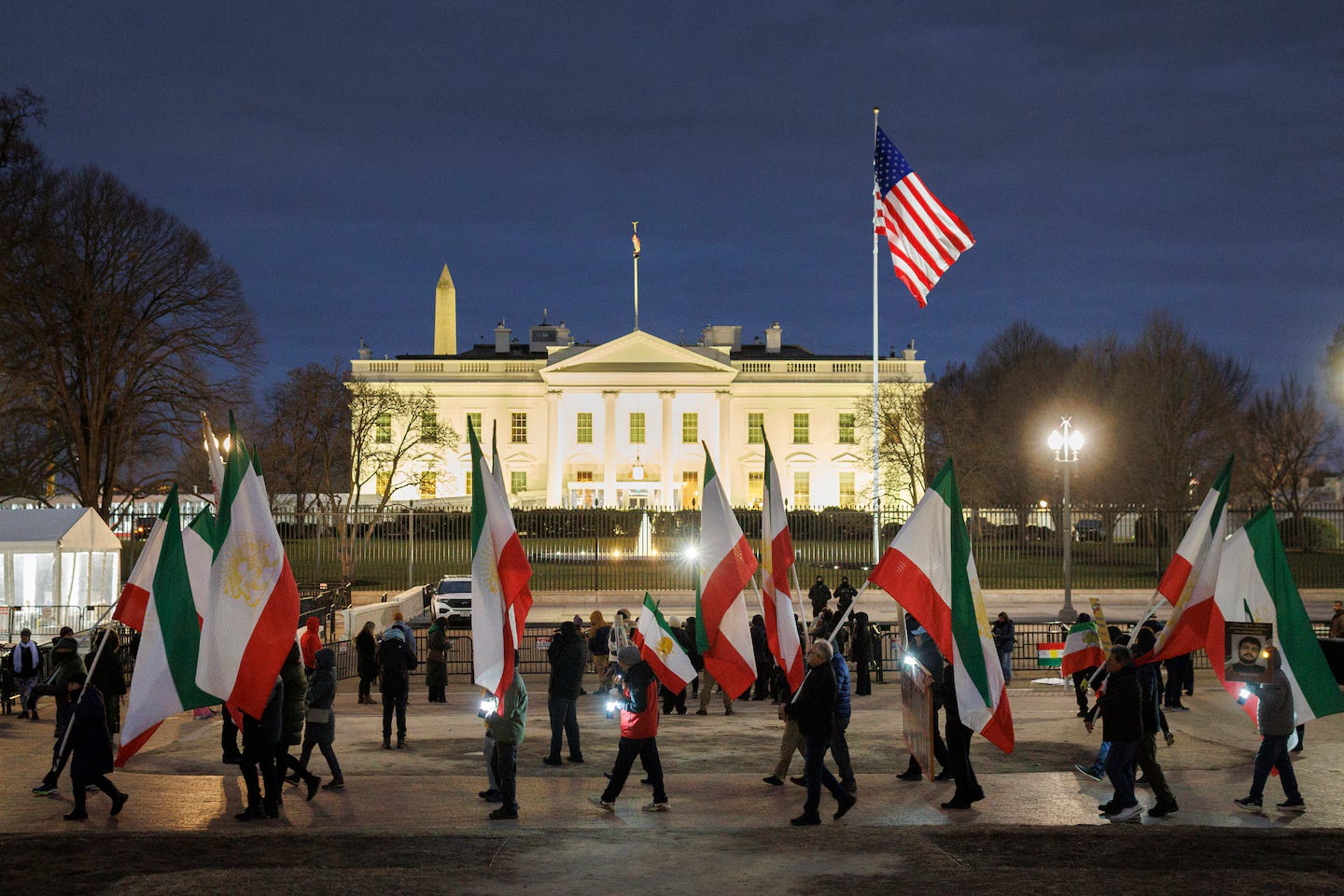
Such gatherings followed earlier rallies organized under broad slogans such as women’s rights, human rights, and opposition to dictatorship and theocratic rule. These events received logistical, financial, and media backing from Washington.
Meanwhile, Iranian opposition figures in the United States have also organized politically and diplomatically, forming lobbying groups that work with Congress and successive U.S. administrations to push for tougher sanctions on Tehran and stronger diplomatic pressure. Some have even advocated military strikes against Iranian facilities.
Although no single unified opposition bloc exists in Congress, these groups share a common objective: the overthrow of Iran’s theocratic system and its replacement with a secular democratic government modeled after Western systems.
Among the most visible organizations is the National Iranian American Council (NIAC), which has pursued diplomatic engagement while opposing comprehensive sanctions but maintaining calls for political change in Iran. Other influential groups include the Organization of Iranian American Communities (OIAC) and the National Council of Resistance of Iran (NCRI), both of which support the Mujahedin-e Khalq and advocate regime change through all available means.
In a Washington Post opinion column on what he called “Trump’s theory on Iran,” commentator Marc Thiessen argued an article Trump himself shared twice on social media that a costly U.S. ground invasion is unnecessary. Instead, he suggested, Iranians themselves could serve as the soldiers on the ground capable of completing the mission if properly guided.
Washington, it appears, may indeed be pursuing this strategy: feeding a fire with fuel that ultimately belongs to others.
