

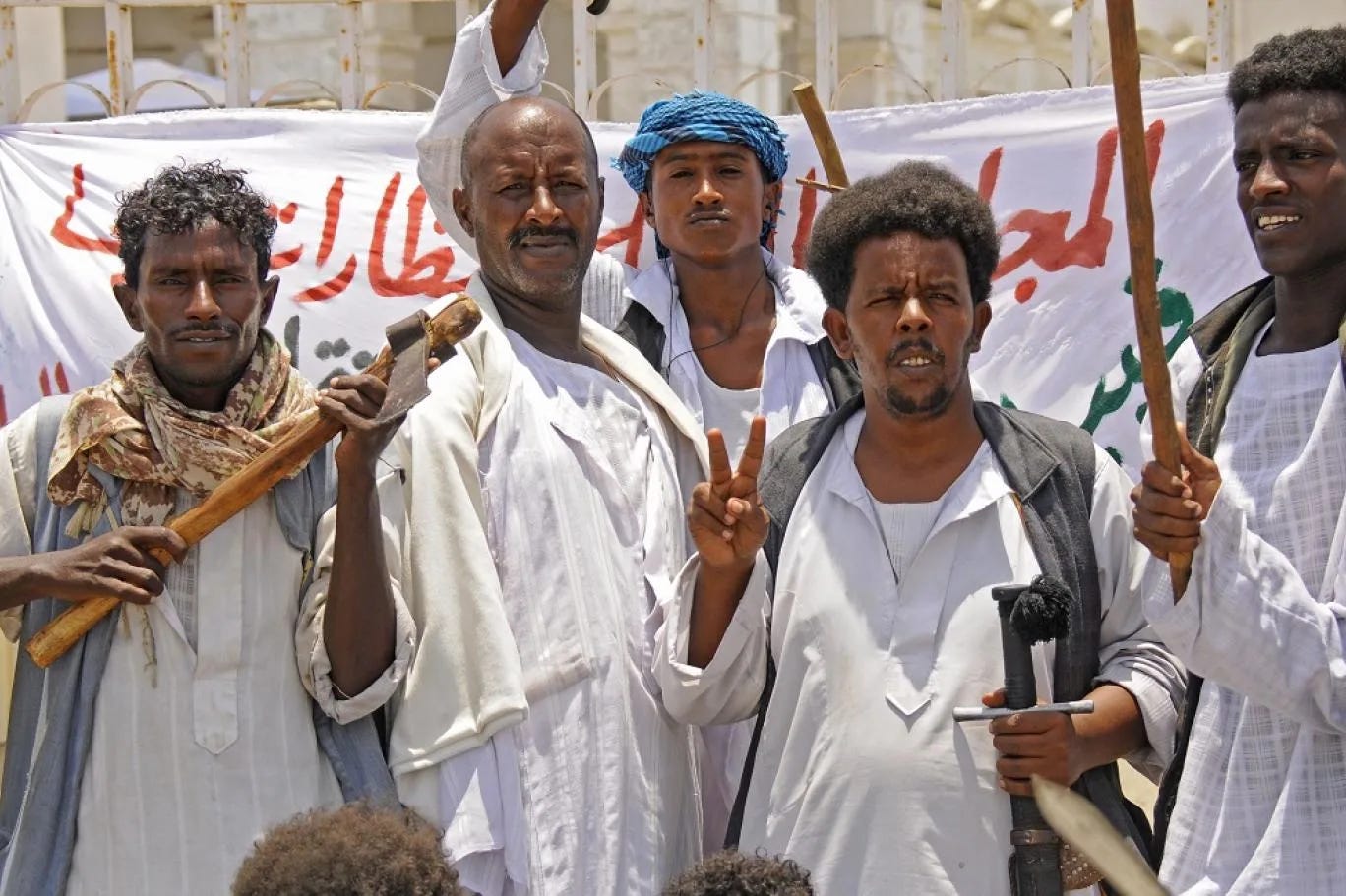
Tribalism is one of the foundational pillars in the making of the Sudanese state much like in many Third World countries serving as a central component in the country’s social fabric. Despite the signs of modernization and urbanization that have emerged in major cities and urban centers, the tribe in Sudan continues to maintain a powerful presence as a psychological and cultural structure, exerting direct influence over political culture and the country’s political trajectory.
Throughout Sudan’s ancient and modern history, the tribe has served as a central axis from which politics, religion, security, economy, and culture have derived much of their legitimacy and strength. It is difficult to identify any institution capable of matching the tribe in terms of its social reach and influence.
In fact, many modern institutions either originated from tribal structures or remain subject to their internal dynamics. In this sense, the tribe has become a genuine engine of Sudanese history, to the point where writing or understanding this history is nearly impossible without acknowledging the role of tribal actors, their influence, and areas of power.
This role has manifested more sharply since the outbreak of war in mid-April 2023 a conflict that has left tens of thousands dead, displaced millions, and turned Sudan into a hostile environment despite its immense natural resources.
This reality is further underscored by findings from a report by the Youth Civic Oversight Network (YCON), which revealed that social media has become a central arena for the reproduction of tribal divisions and the reinforcement of hate speech and racism. This dynamic has fueled the conflict, prolonged its duration, and made the prospects for sustainable peace increasingly elusive.
The significance of this report lies in its direct engagement with one of Sudan’s most complex and sensitive issues: the intricate relationship between tribe and politics during wartime. Rather than relying solely on conventional military or geopolitical frameworks to interpret the conflict, the report aims to unpack the symbolic and discursive dimensions, offering a more holistic understanding of the war’s hidden layers that extend beyond the battlefield.
The Tribe as a Political Actor in Wartime
The report, supported by data and evidence, highlights a profound transformation in Sudan’s tribal system. No longer confined to a traditional social framework, the tribe has emerged as a digital political actor with tangible influence in the public sphere.
Findings show that tribal discourse has become a dominant force in political discussions, with over 83% of tribal content on social media directly linked to political contexts, and around 78% specifically related to the war. This included mobilization efforts, calls to arms, justifications for military positions, and frequent appearances of tribal leaders delivering political messages to the public.
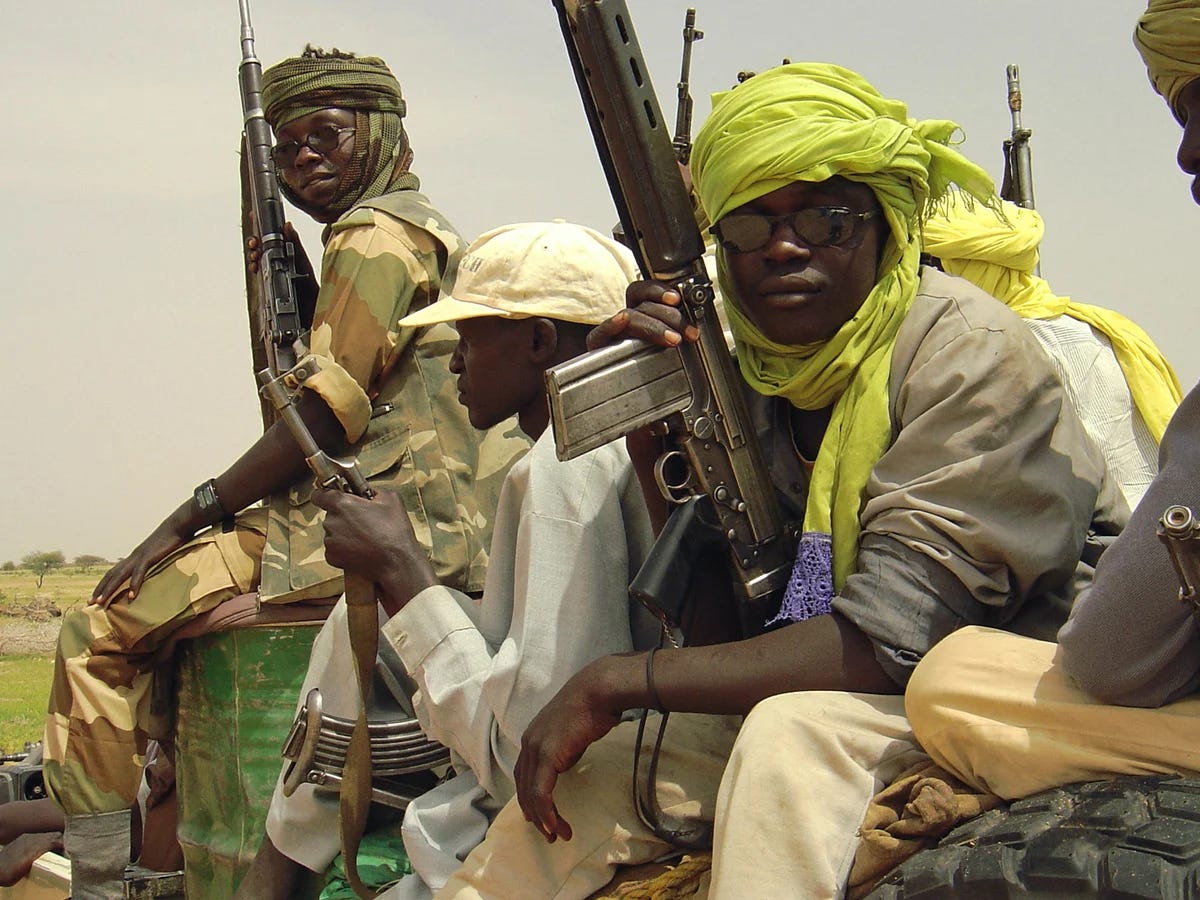
These indicators suggest a significant shift: the tribe has moved from being a traditional social anchor to becoming an active digital instrument in shaping public opinion and crafting dominant narratives around the war. This shift has further complicated the political scene, exacerbating tensions and making it increasingly difficult to address the conflict through traditional conflict resolution methods.
The digital space has become a parallel battleground where loyalties and identities are reconfigured along tribal lines, charged with intense political implications.
The report analyzed the content of 120 active pages and accounts on Facebook, X (formerly Twitter), and TikTok between October 1–31, 2025, using a mixed-methods approach that combined quantitative and qualitative analysis. From approximately 23,000 monitored posts, 269 were identified as tribal content and subjected to in-depth study. This allowed for a precise examination of the role digital tribal discourse plays in shaping the dynamics of Sudan’s war.
Fanning the Flames of Hate and Amplifying Divides
The report observed a marked rise in hate speech tied to tribal identity within Sudan’s digital space during the war. Roughly 82% of the analyzed tribal content contained at least one form of hostile rhetoric.
These included dehumanization, direct and indirect incitement to violence, and a stark binary division between “us” and “them,” as well as insults based on race, origin, or lineage—revealing a public discourse increasingly steeped in hostility and denial of the other’s humanity.
Qualitative analysis shows that such discourse is not merely the product of isolated individuals, but is reconstructed through wide-reaching collective narratives. These narratives reframe the war as an existential struggle between entire population groups not merely a political or military clash between defined parties.
Within this framework, tribal rhetoric becomes more than a social descriptor it transforms into a violent tool of political mobilization. It reproduces social enmity and broadens the circle of polarization well beyond the immediate actors in the conflict.
The report also highlights the critical role played by platform algorithms in magnifying emotionally charged content, thereby deepening societal polarization. These algorithms boosted the reach of tribal rhetoric and reinforced “digital echo chambers” in which the same narratives circulate within homogenous groups shutting down space for rational or inclusive discourse.
As a result, according to the report, divisions have become more entrenched, trust in civilian institutions has eroded, and the tribe has increasingly come to be seen as a primary source of protection and legitimacy particularly in the context of a collapsing state and ongoing war.
A Direct Threat to Peace
This type of tribalized digital discourse poses a clear and present danger to any prospects for sustainable peace in Sudan or efforts to de-escalate tensions between warring factions. The threat lies not only in its capacity to fuel political and military conflict, but in its deeper impact on the foundations of cultural and social identity turning the war into an existential confrontation that defies conventional political remedies.
Experts and observers warn that the rise of such rhetoric could sabotage any short-term peace initiatives, as it inflames deep-seated social animosities and heightens intercommunal hatred. It also severely undermines the prospects for any future political transition especially in light of the declining influence of civilian actors and the growing prominence of tribal figures as key stakeholders in the conflict and its trajectory.
Events since the outbreak of war have demonstrated the pivotal role tribal structures play in reigniting tensions and obstructing de-escalation efforts. Every time conditions seem to stabilize, tribal mobilization particularly in Darfur and South Sudan—rekindles tensions and drags the crisis back to square one. This reaffirms that any effort to resolve the conflict without addressing its tribal and social roots is likely to result in repeated setbacks.
The Tribe Beyond Geography and Politics
Sudanese academic Ahmad Al-Badri, a professor at the University of Khartoum, argues that tribalism in Sudan transcends the traditional boundaries of geography and politics, becoming the primary engine behind most forms of action in the country including political engagement and military decision-making.
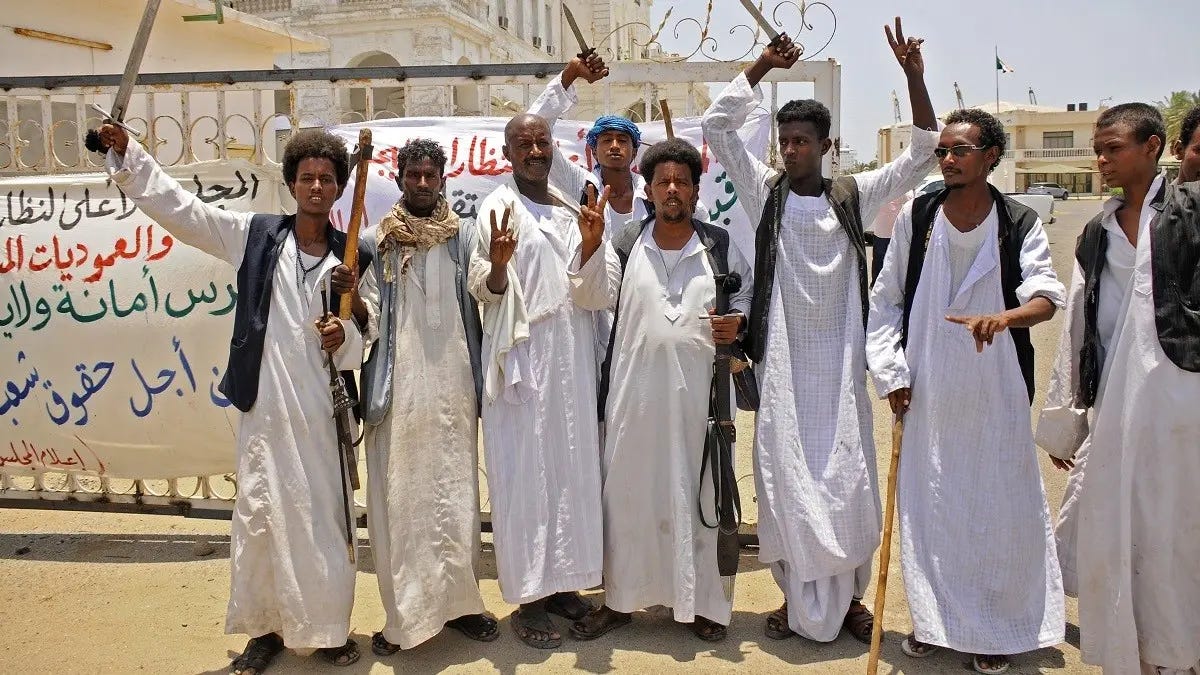
In this sense, the tribe is not just a social structure but a functional loyalty system that reshapes both individual and collective behavior. It asserts itself as a decisive factor in power dynamics and the course of conflict.
In an interview with Noon Post, Al-Badri explains that tribal allegiance often supersedes loyalty to political systems or governments and sometimes even eclipses the very notion of the nation-state.
He cites repeated instances where individuals have fought beyond their national borders based on tribal rather than national loyalties, illustrating the fragility of the nation-state model in the face of deeply rooted, transnational tribal bonds.
Al-Badri references several revealing examples: nearly 60% of the Chadian rebel group “United Front for Democratic Change,” captured during their 2006 assault on N’Djamena, were Sudanese nationals. Some had previously fought in the Central African Republic and helped bring President François Bozizé to power in 2003 before later rebelling against him.
He adds that over 700 fighters from the Mahamid tribe part of the Arab tribes in Darfur joined the Seleka alliance in the Central African Republic between 2012 and 2014. Meanwhile, members of the Misseriya Arab tribe fought in South Sudan in 2016 as part of the Rapid Support Forces, supporting their Nuers allies.
This pattern extends to Libya, where Darfuri armed groups fought on opposing sides of the conflict—further demonstrating that cross-border conflicts and the multinational makeup of armed factions are not anomalies, but rather a direct consequence of tribal loyalties’ enduring potency in regional warfare.
Reframing the Sudanese Crisis
Taken together, these insights reveal that understanding Sudan’s current crisis particularly the war between rival generals as merely a military or political power struggle is a shallow and reductive approach. The situation is far more complex and demands a deeper, more nuanced analysis.
What is needed is a comprehensive deconstruction of the Sudanese landscape one that highlights the foundational components shaping the country’s dynamics, with tribalism chief among them. Any attempt to ignore this dimension in discussions or peace initiatives risks producing a fragile and temporary settlement akin to a dormant volcano that could erupt at any moment, regardless of short-term battlefield gains.
Ultimately, resolving the Sudanese crisis requires a holistic approach that integrates military, political, and social strategies while giving due weight to tribal realities and social dynamics. A sustainable path to peace must begin with dismantling hate narratives and weakening the foundations of hostility. Only then can the conditions for a lasting and inclusive peace begin to take root.
