

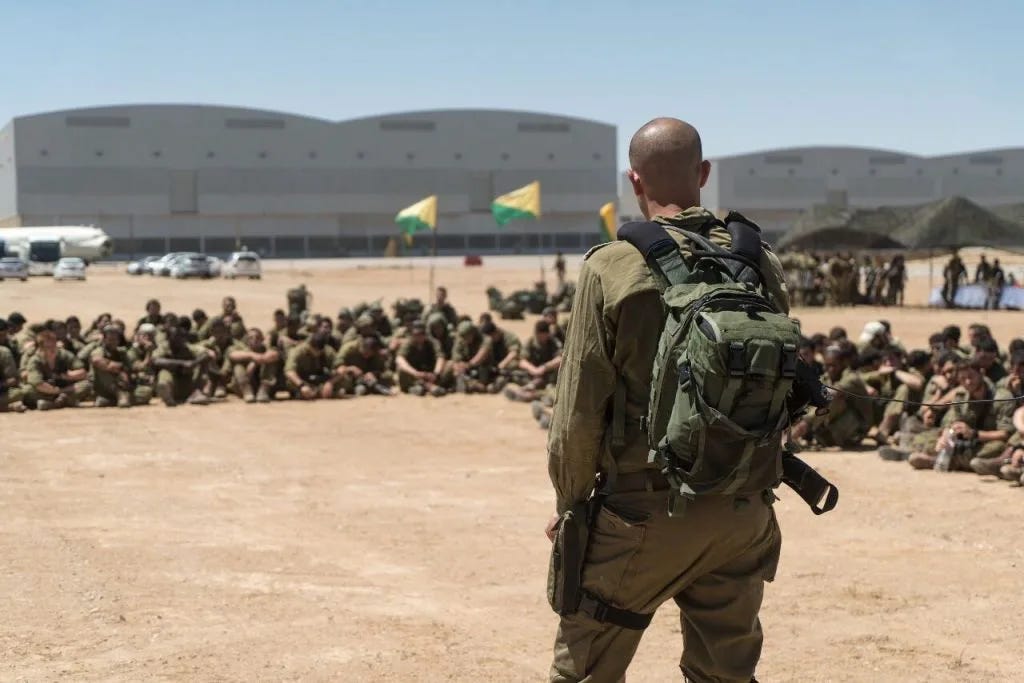
At the end of February 2026, an Iranian-made Shahed drone launched from Lebanon struck the Royal Air Force base at Akrotiri in southern Cyprus. The attack caused limited damage to the runway but triggered deep concern across Europe that the island could become a new theater of war.
In the aftermath of the strike, the British prime minister visited the island accompanied by the defense secretary and senior military officials, reaffirming the United Kingdom’s commitment to securing its bases. Soon after, French President Emmanuel Macron arrived in Cyprus and held a summit with his Cypriot counterpart and the Greek prime minister, declaring that “an attack on Cyprus is an attack on Europe.”
What, then, does the military mobilization in Cyprus look like following the US-Israeli war on Iran? What is the story behind the military bases located there, and how deeply is this island intertwined with Middle Eastern conflicts?
Military and Political Mobilization
European reinforcements arrived after the Akrotiri strike as follows:
Britain deployed the destroyer HMS Dragon, equipped with the Sea Viper missile defense system, along with two Wildcat helicopters armed with Martlet missiles.
France deployed air-defense systems designed to counter drones and missiles and dispatched the frigate Languedoc, while the aircraft carrier Charles de Gaulle operated in the eastern Mediterranean.
Greece sent four F-16 fighter jets to Paphos Air Base, in addition to two frigates one equipped with the Centaurus electronic-warfare system capable of detecting and disrupting low-altitude drones.
Reports continue to circulate about plans by Italy, Spain, and the Netherlands to deploy additional warships to the region, alongside other European naval units already arriving.
What Exists in Southern Cyprus?
Two main categories of military areas exist in the southern part of the island:
First: The British Sovereign Base Areas
Since Cyprus gained independence in 1960, London has retained control of the Akrotiri and Dhekelia Sovereign Base Areas. Together they cover roughly 98–99 square miles (about 3% of the island’s territory). The areas are home to more than 10,000 Cypriots and around 3,800 British military personnel and civilians, along with their families.
1. Akrotiri
Akrotiri is the principal air base. It includes a long runway capable of hosting F-35B and Typhoon fighter jets, Voyager aerial refueling aircraft, and Atlas transport planes. It also houses the 84th Search and Rescue Squadron, which operates in coordination with Cypriot authorities.
During the 2003 Iraq War, Akrotiri served as a major logistical hub. It still hosts the American U-2 reconnaissance aircraft, which conducts surveillance flights across the Middle East. Today the base supports operations against the Houthis in Yemen and facilitates evacuation and monitoring missions in Syria and Lebanon.
Amid the ongoing conflict, six F-35B fighters from the British RAF Marham base have arrived, along with Wildcat helicopters tasked with counter-drone operations.
The Royal Navy also uses the port of Akrotiri to supply vessels operating in the Middle East. The arrival of HMS Dragon underscored the base’s capacity to support naval missions against drone and missile threats.
2. Dhekelia
Dhekelia hosts a permanent British infantry battalion along with logistics, medical, engineering, and military police units. It also includes advanced communications facilities at the Ayios Nikolaos site.
Second: Areas Under the Republic of Cyprus
The most prominent installation is the Andreas Papandreou Air Base, built in the 1990s as a cornerstone of the trilateral security alignment between Nicosia, Athens, and Paris. The base regularly hosts Greek and French fighter aircraft.
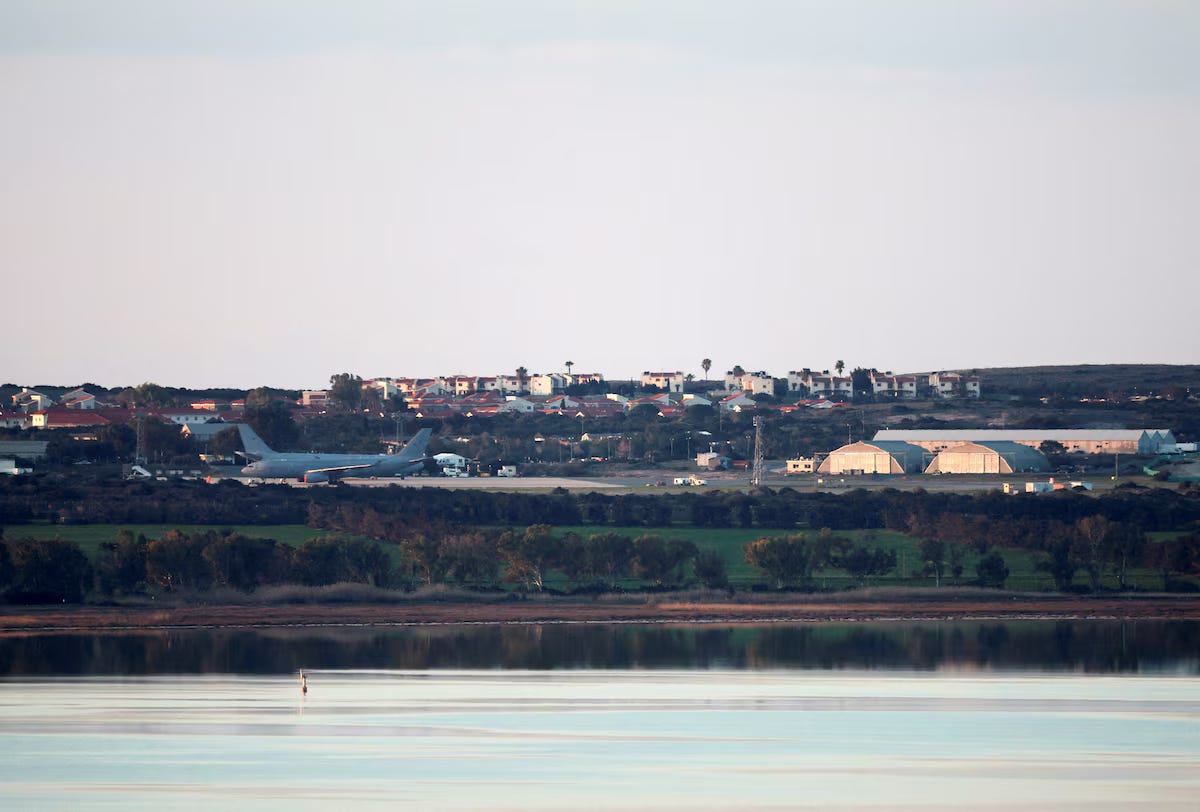
During the current crisis, four Greek F-16 jets have been stationed there, and the facility has recently served as a venue for meetings among European political leaders. The base remains under Cypriot sovereignty, with no permanent foreign forces stationed there beyond training rotations and joint exercises.
In addition, southern Cyprus hosts naval facilities at Mari/Zygi supporting search-and-rescue operations, while the Port of Limassol receives European naval vessels.
Western countries do not possess sovereign bases on the island beyond Akrotiri and Dhekelia. However, defense cooperation agreements allow them to use Cypriot infrastructure during crises.
As for personnel, a limited and undisclosed number of Cypriot National Guard and Greek army forces are stationed at the Papandreou base. It also houses a Tor-M1 air-defense missile unit and a transport aircraft landing strip.
The French presence is typically temporary, limited to training or joint exercises. Likewise, there are no permanent US troops stationed at Cypriot bases. However, Washington relies on Akrotiri to operate U-2 reconnaissance flights and to refuel American aircraft.
Espionage… in Support of Israel
Cyprus is not merely an island with airports and military bases. It is also a major communications and intelligence hub with several specialized facilities, most notably:
1. Ayios Nikolaos Station
Located within the Dhekelia base area, the site hosts a formal intelligence unit known as the Joint Service Signals Unit (JSSU).
A British government document states that the site lies about 20 minutes from Dhekelia and provides secure communications links connecting Cyprus with the rest of the world.
The unit was formed in 2003 following the merger of several signals units. It includes three squadrons: operations, engineering support, and infrastructure command. Personnel from all three branches of the British armed forces work there alongside civilian employees and contractors to operate complex communications systems.
Investigative reports indicate that the US National Security Agency (NSA) funds roughly half of the station’s operating costs and exchanges intelligence with Britain. The collected data is reportedly shared with Israel as part of intelligence cooperation.
2. Troodos Mountain Station
Leaks released in 2016 by former US intelligence contractor Edward Snowden revealed the existence of a British surveillance center in the Troodos Mountains. The facility tracks Israeli drones and gathers signals intelligence across the eastern Mediterranean and North Africa.
The Guardian later reported on a joint UK-US program called “Anarchist,” which enabled monitoring of Israeli drones and analysis of their operational intentions toward Iran.
Cyprus’ strategic location draws attention whenever conflict erupts between Tel Aviv and its adversaries. Although no Israeli forces are openly stationed in Cyprus, reports suggest that British bases are used to monitor the skies over Lebanon, Gaza, Syria, and Yemen in support of Israeli intelligence.
British sorties from Akrotiri participated in strikes against the Houthis in Yemen in 2024. Aircraft operating from the base have also conducted surveillance over Gaza, attempting to locate Israeli hostages held in the territory.
Leaked intelligence sources also point to US-British cooperation in intercepting communications and monitoring Middle Eastern activity, with Israel reportedly involved in analyzing the collected intelligence.
A “Stationary Aircraft Carrier”: Why Cyprus?
Western strategic interest in Cyprus stems from several geographic and strategic factors:
1. Proximity to Conflict Zones
The island lies less than 200 kilometers from the coasts of Syria, Lebanon, and Gaza, enabling aircraft to reach targets within minutes. This makes Cyprus an ideal platform for air and intelligence operations without the need to concentrate large forces aboard aircraft carriers.
2. European Union Membership
Southern Cyprus is a member of the European Union and the Eurozone, facilitating political and legal coordination with Paris, Athens, and Berlin. Meanwhile, the presence of sovereign British bases within an EU member state provides London with a military gateway to the eastern Mediterranean even after Brexit.
3. A Relatively Secure Environment
Despite the island’s division between the Turkish north and Greek south, areas controlled by the Republic of Cyprus enjoy sufficient internal stability to host advanced systems such as U-2 aircraft and sophisticated communications facilities.
4. Infrastructure
Akrotiri features long runways and extensive refueling facilities, while the Port of Limassol provides deep-water access for large naval vessels. By contrast, bases in the Gulf or the Red Sea are often directly exposed to threats from Iranian missiles or Houthi drones, whereas Cyprus sits at a greater distance from such weapons.
As the war against Iran expands and the use of drones and missiles intensifies, Cyprus is likely to remain a potential target. The growing military presence on the island therefore appears to be more than a temporary response. Rather, it reflects a role Cyprus has played for decades: a forward node linking Europe to the eastern Mediterranean and Israel between runways and listening posts.