

Despite lingering setbacks in the first phase, the United States has officially announced the launch of the second phase of the Gaza ceasefire agreement, marked by the formation of a technocratic Palestinian committee to administer the territory.
Steve Witkoff, the special envoy of President Donald Trump, stated that this new phase “establishes a transitional technocratic Palestinian administration in Gaza” and initiates efforts toward disarmament of factions and the reconstruction of the enclave.
The American move came in coordination with key regional mediators Egypt, Qatar, and Turkey who described it as a significant step toward stability and improving Gaza’s dire humanitarian situation.
Focus on Disarmament Without Israeli Withdrawal
The first phase faced major setbacks, chief among them repeated Israeli military violations and the failure to fully implement humanitarian protocols, including the opening of border crossings. According to Gaza’s Government Media Office, Israel committed 1,244 violations during the first phase, resulting in 449 fatalities and 1,246 injuries.
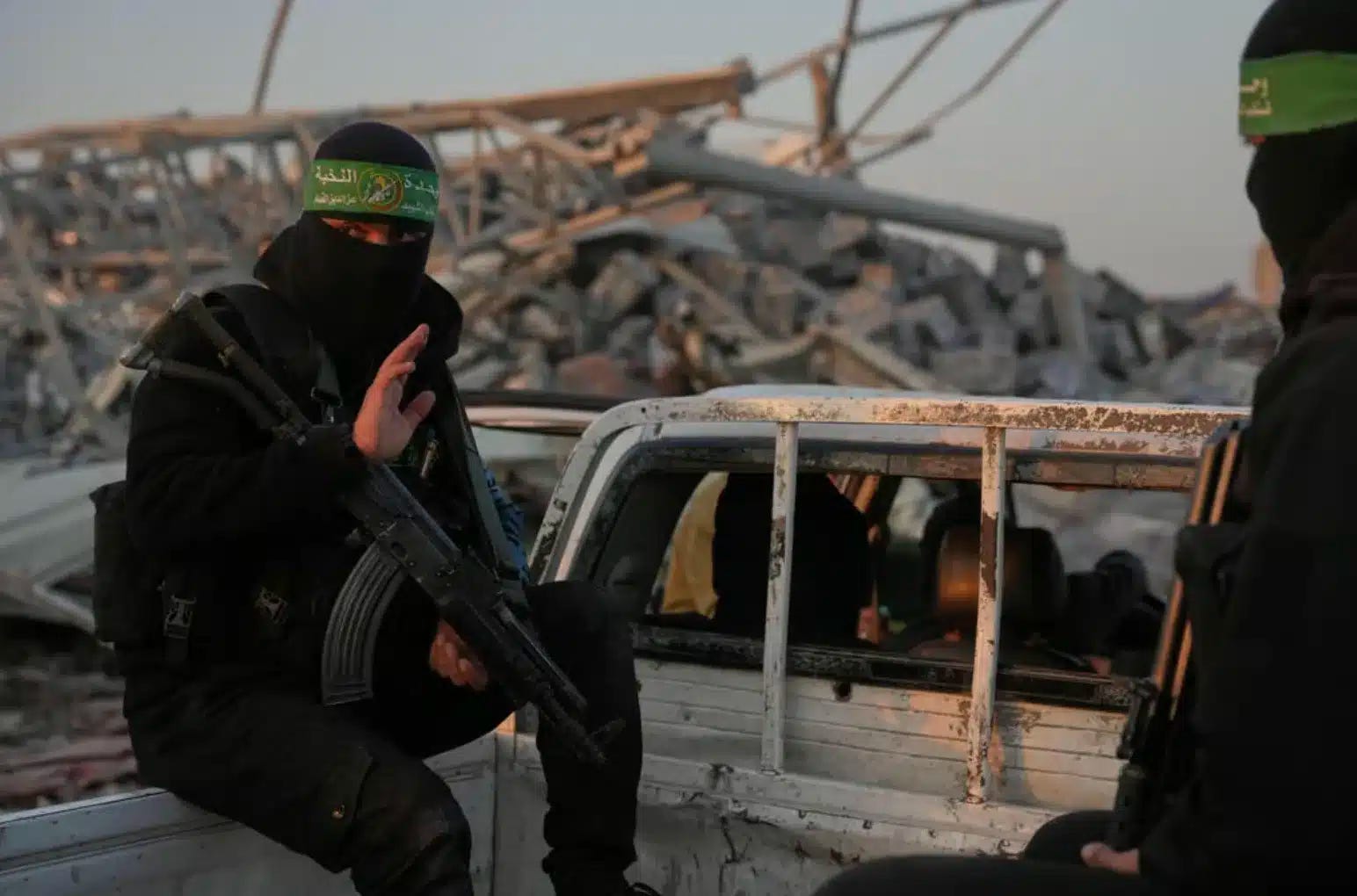
The second phase tackles thorny issues, most notably the disarmament of Hamas and other resistance factions an objective still lacking a clear mechanism and opposed by several Palestinian parties.
Trump’s plan calls for the deployment of an international peacekeeping force in Gaza to help implement this goal. However, the idea remains controversial, with Israel objecting to the participation of certain countries, especially Turkey and Qatar.
Hamas has repeatedly declared that it will not relinquish its weapons except as part of a comprehensive solution that guarantees the establishment of a Palestinian state. This stance highlights the complexities surrounding implementation. Conversely, Israel has linked any further military withdrawal from Gaza to progress on the disarmament front.
Israel’s public broadcaster, Kan, cited officials stating that no withdrawal from the so-called “Yellow Line” in eastern Gaza comprising 53% of the Strip would occur without tangible advancement on the disarmament issue.
Notably, Witkoff’s announcement of the second phase emphasized Hamas’s disarmament, governance arrangements, and reconstruction efforts without any mention of an Israeli withdrawal from Gaza.
A Palestinian Committee to Govern Gaza
The second phase kicked off with the formal announcement of a Palestinian technocratic committee tasked with overseeing civil administration in Gaza during the transitional period.
Comprising 14 members, the committee will operate under the supervision of the so-called “Peace Council,” led by Trump and several international figures yet to be named. The formation of the committee has garnered support from major Palestinian factions, including both Hamas and Fatah.
Its responsibilities include managing public services and coordinating emergency relief efforts for over two million Palestinians in war-ravaged Gaza. These efforts encompass shelter provision for the displaced and restoring the devastated infrastructure.
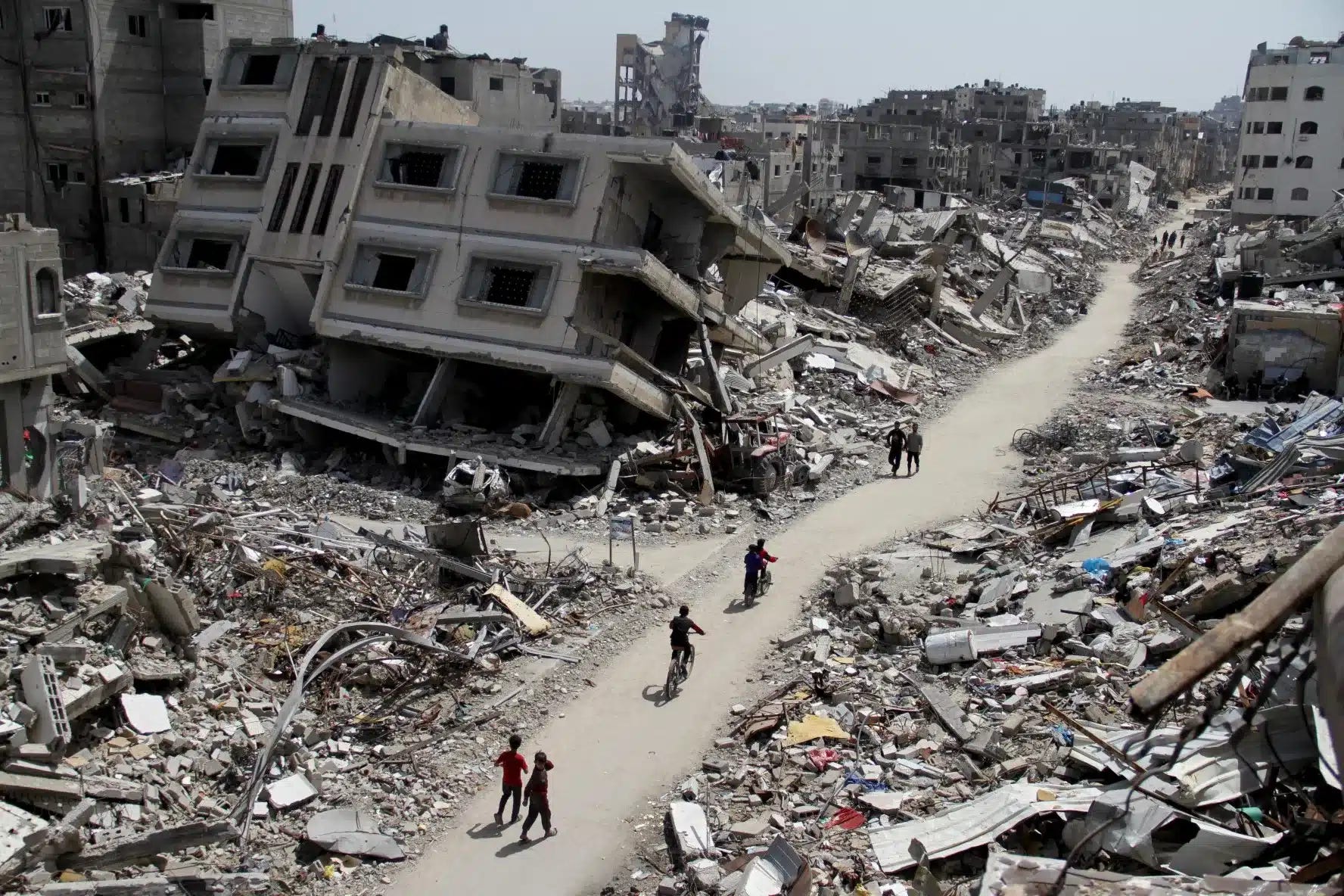
The committee faces a formidable challenge. The war has destroyed nearly 90% of Gaza’s infrastructure, and the United Nations estimates the cost of reconstruction at over $50 billion an endeavor expected to span many years.
The committee’s inaugural meeting is scheduled to take place in Cairo within days, where it will finalize its organizational structure and logistical support arrangements. Members from Gaza will convene with counterparts arriving from the West Bank and abroad.
Committee Members and Their Mandates
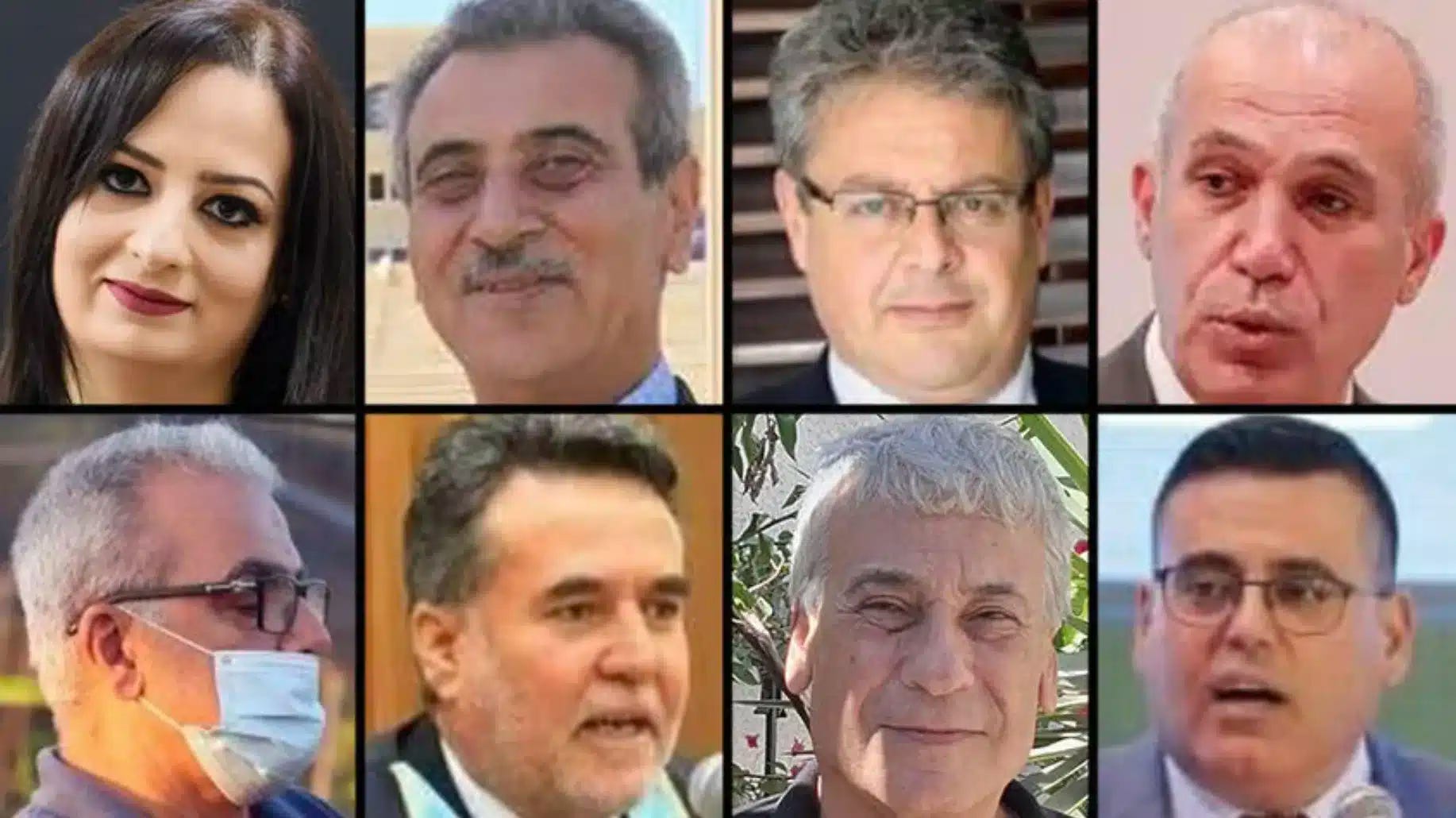
The committee brings together Palestinian professionals with expertise in governance, economics, and public services. Key members and their portfolios include:
Ali Shaath – Committee Chair: An engineer and development expert, formerly Deputy Minister of Planning in the Palestinian Authority. He led industrial zone development projects in Gaza.
Ayed Abu Ramadan – Economy and Trade: Head of Gaza’s Chamber of Commerce and Industry, tasked with reviving the local economy and rehabilitating the private sector.
Jabr Al-Daour – Education: An academic and president of the University of Palestine in Gaza, overseeing the reopening of schools and compensating for educational losses.
Basheer Al-Rayyes – Finance: A financial and engineering consultant, responsible for managing public finances, regulating expenditures, and overseeing incoming reconstruction funds.
Abdel Karim Ashour – Agriculture: President of the Agricultural Relief Association and a community activist, tasked with reviving the agricultural sector devastated by destruction and land razing.
Aed Yaghi – Health: Director of the Medical Relief Society in Gaza, leading efforts to sustain the crippled healthcare system and ensure medical supply chains.
Omar Shomali – Telecommunications: Head of Palestine Telecommunications Company (Paltel) in Gaza, responsible for rebuilding vital telecom and internet infrastructure.
Ali Barhoum – Municipal and Public Services: An engineer and advisor to Rafah Municipality, charged with restoring water and sanitation systems, managing municipal projects, and overseeing temporary housing facilities.
Hanaa Terzi – Social Development: A seasoned attorney and the first Christian woman to practice law in Gaza, overseeing social affairs, women’s support, and family welfare in the ongoing humanitarian crisis.
Mohammed Bseiso – Judiciary: A prominent lawyer and owner of one of Gaza’s largest law firms, tasked with reactivating the judiciary and ensuring the rule of law during the transition.
Major General Sami Nusman – Internal Security: A retired Palestinian Authority security officer known for his opposition to Hamas. He will coordinate internal affairs and police operations with local forces.
Arabi Abu Shaaban – Land Affairs: Former head of the Land Registry Department in Gaza, leading the Land Authority and managing property records and compensation for losses.
Osama Saadawi – Housing and Public Works: An engineer and businessman, and a former minister in the Ramallah-based government, appointed to lead reconstruction and housing initiatives.
Husni Al-Mughani – Tribal Affairs: A well-known figure in tribal reconciliation committees, nicknamed Abu Salman, responsible for engaging clan leaders to maintain social stability and mediate internal disputes.
Challenges Ahead
Reports indicate that at least three committee members—including Chair Ali Shaath—are affiliated with the so-called “Reformist Current” within Fatah, led by exiled leader Mohammed Dahlan. Alongside Shaath, both academic Jabr Al-Daour and tribal figure Husni Al-Mughani are known to have ties to Dahlan, whose faction enjoys support from the United Arab Emirates.
This alignment has raised concerns among certain Palestinian circles, given the longstanding rifts between Dahlan and both Hamas and the Palestinian Authority leadership. Meanwhile, Major General Sami Nusman assigned to the internal security portfolio is regarded as a staunch Hamas opponent who relocated to the West Bank following the group’s takeover of Gaza in 2007.
The inclusion of such figures could complicate the committee’s efforts to earn Hamas’s trust. While the group has agreed to hand over civil administration, it remains wary of being sidelined or undermined by its rivals within the new leadership.
Hamas, though formally relinquishing governance, has called for its administrative cadres to retain a role in day-to-day operations a demand rejected by other participating factions.
Fatah, for its part, insists that the committee’s legitimacy and operations be coordinated with the Ramallah-based government to prevent further political fragmentation.
Meanwhile, Israel cautiously welcomed the appointment of what it described as “moderate” figures, most of whom are affiliated with Fatah and known to Israeli authorities. Sources told Yedioth Ahronoth that the proposed names are “acceptable to Israel” as they resemble the Palestinian Authority officials it currently engages with, several of whom reside in the West Bank.