

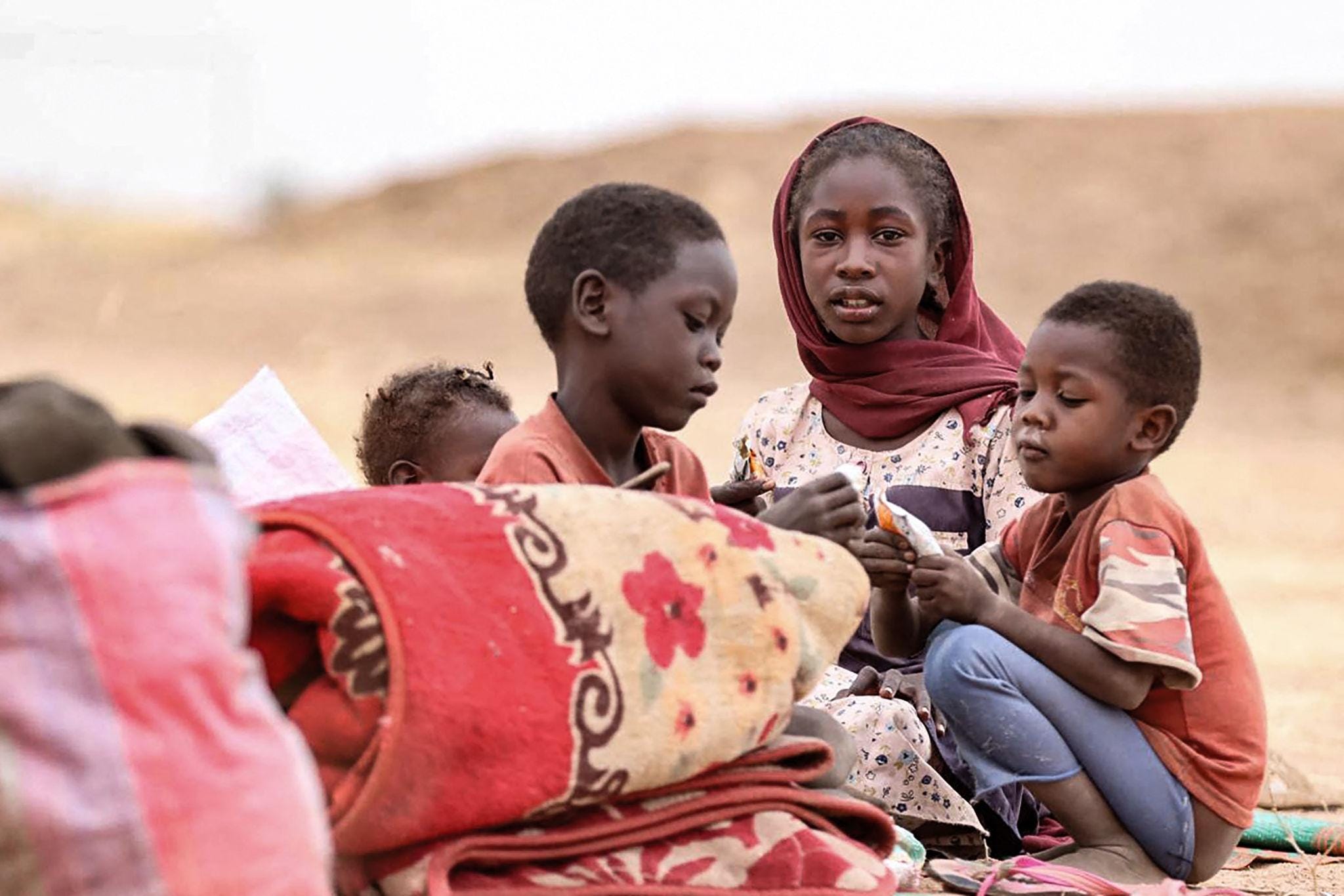
Amid Sudan’s brutal war since 2023, harrowing new testimonies have emerged revealing that the Rapid Support Forces (RSF) have been systematically abducting children, using them both as pawns and tools in their military campaign.
Eyewitnesses report that RSF fighters kidnapped dozens of children during their assault on the city of El Fasher in Darfur and other nearby attacks sometimes after killing the children’s parents before their eyes.
These scenes echo the atrocities committed two decades ago by the RSF’s predecessor, the Janjaweed militias, during the Darfur conflict.
Abductions Across War-Torn Darfur
The child kidnappings have primarily occurred in Darfur, the epicenter of clashes between the RSF and Sudanese Armed Forces. In October 2025, following an 18-month siege, the RSF seized El Fasher, the capital of North Darfur, committing grave abuses including the abduction of displaced children.
According to survivor testimonies gathered by Reuters (January 30, 2026), kidnappings took place within El Fasher and along the El Fasher–Tawila road, where tens of thousands of civilians had sought refuge from the fighting.
Children were often taken at gunpoint during terrifying raids. Witnesses described how gunmen executed fathers before ripping children from their mothers’ arms and hauling them away in military vehicles.
Reuters documented at least 56 children ranging in age from two months to 17 years—abducted in 23 separate incidents in Darfur since 2023.
Even displacement camps have not been spared. Amnesty International documented the abduction of a child from the Zamzam camp near El Fasher by RSF elements.
Twenty-six witnesses who fled to North Darfur or eastern Chad confirmed a pattern of child abductions during every major RSF assault over the past two years, with attacks extending beyond cities to rural villages and migration routes.
Beyond Abduction: Killing and Brutality
The violence against children goes far beyond kidnapping. During the El Fasher invasion, one witness recounted seeing a field commander known as “Abu Lulu” execute a group of detainees, including a pregnant woman and ten children, in cold blood.
The UN has documented a sharp rise in the number of children killed or subjected to sexual violence during the first year of conflict.
Aid workers in camps described children arriving with severe injuries—including gunshot wounds and young girls who had been raped, exposing the scale of abuse faced by minors.
These actions constitute flagrant violations of international humanitarian law, which prohibits killing, sexual violence, and forced recruitment of children in conflict.
Why Are Children Being Taken?
Evidence suggests the RSF abducts children primarily for forced labor using them as domestic servants and herders.
In one 2023 case, a displaced woman fleeing Nyala recounted being stopped in Karmaga village by RSF fighters. The militia blindfolded three boys around nine years old and drove them off in pickup trucks.
Two of the boys had already lost their mothers in airstrikes. The fighters told the woman bluntly that the boys would be tasked with herding livestock.
Multiple witnesses confirmed that kidnappings often coincided with livestock looting. The children were derogatorily labeled “Falngaayaat,” a term implying house slaves and used to demean those considered sympathetic to the army.
According to four testimonies, RSF members said the children would care for camels and sheep stolen during raids.
Child herding is not uncommon in Darfur, but the RSF is exploiting this cultural norm to justify modern-day servitude.
Children are kept in horrific conditions. Amnesty International documented one case where a boy was chained at night and forced to herd sheep during the day for six weeks. His captors then demanded a ransom of five million Sudanese pounds (about $1,500), which his family eventually paid for his release.
This underscores another motive: financial extortion, where child victims become tools for fundraising through ransom.
A Legacy of Abuse: From Janjaweed to RSF
These atrocities are a continuation of Darfur’s long history of child exploitation by the Janjaweed militias, from which the RSF was formed under Omar al-Bashir’s regime.
Human rights reports detail how the Janjaweed abducted hundreds possibly thousands of non-Arab children between 2003–2009, forcing them into labor, herding, and even sexual slavery or forced marriages.
These acts were part of a wider campaign of ethnic cleansing against the Fur, Masalit, and Zaghawa tribes.
No perpetrators were ever held accountable, perpetuating a culture of impunity and enabling such crimes to resurface in today’s conflict.
The Sudanese government has likened the RSF’s current abductions and torture of children to Janjaweed tactics under the former regime.
Despite RSF denials, claiming these are isolated incidents, the systematic nature of these crimes paints a different picture one of strategic and institutionalized child abuse.
A Lost Generation Amid Mass Displacement
The toll on Sudan’s children is catastrophic. Families have been shattered, with thousands of children now orphaned, missing, or displaced.
Following the fall of El Fasher, aid agencies reported that at least 400 unaccompanied children arrived in nearby Tawila, with numbers rising by roughly 200 children daily in overcrowded camps.
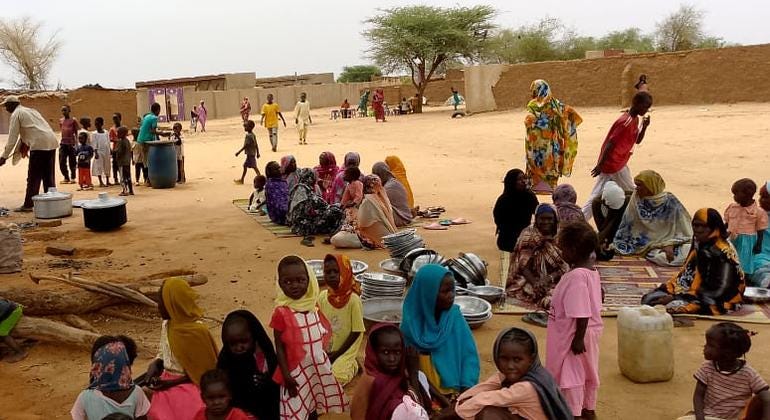
Most fled alone after losing their families during attacks. Over 100,000 civilians reportedly escaped El Fasher and surrounding areas in that period.
Humanitarian workers describe children arriving exhausted, terrified, and traumatized some found lying beside the bodies of their parents, rescued by strangers.
In Tawila, relief teams reported cases of children rendered mute, plagued by recurring nightmares. Many had spent days hiding in the wilderness or trekking through the night to avoid militias after becoming separated from their families.
Some arrived with serious injuries. Young girls had endured sexual assault, leaving them in profound psychological crisis.
The UN Committee on the Rights of the Child has warned that an entire generation in Sudan faces an existential threat from the violence and deprivation of war.
With an estimated 4 million children displaced since the conflict erupted, Sudan now represents the world’s worst child displacement crisis.