

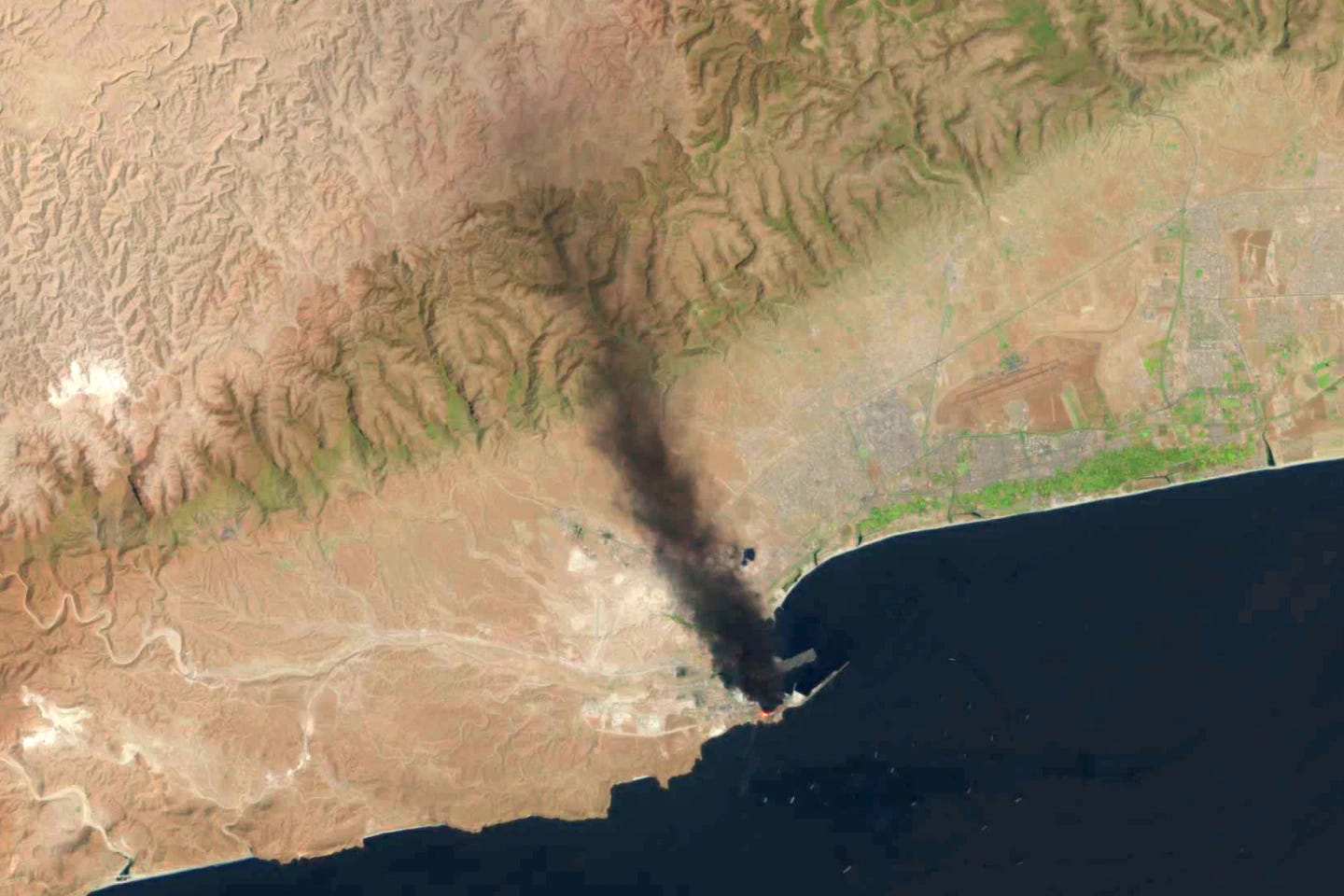
In the wake of the U.S.-Israeli war on Iran, the long-standing image of American military bases in the Gulf as an unquestioned “protective umbrella” has begun to erode. In its place, a more complex reality has emerged one in which these bases offer deterrence, yet simultaneously expose their host countries to potential targeting.
This paradox has pushed a sensitive question to the forefront of debate across the Gulf: does the U.S. military presence still serve its original purpose, or has the war forced a reassessment of its role, limits, and the political, sovereign, and security costs it entails?
The Limits of the American “Umbrella”
The course of the war revealed the capacity of the United States and its allies to intercept many of the missiles and drones launched by Iran toward the Gulf. Yet it also exposed clear vulnerabilities.
In the early days, Iran struck all Gulf states, openly acknowledging that it targeted U.S. forces as a response to American involvement. While air defenses succeeded in intercepting most missiles, Iranian drones managed to hit airports, hotels, and tourist areas, inflicting significant economic damage.
The conflict led to the temporary closure of the Strait of Hormuz and the cancellation of approximately 40,000 flights, dealing a heavy blow to the Gulf’s tourism and service sectors. This reinforced the perception that American bases had placed economic hubs within the line of fire rather than shielding them.
Gulf experts argue that the war has “shaken” the longstanding assumption that purchasing hundreds of billions of dollars’ worth of U.S. weapons guarantees comprehensive protection.
Researcher Fawaz Gerges noted that Gulf states are likely to accelerate efforts to diversify their security partnerships, recognizing that they cannot rely solely on the United States to safeguard their oil and citizens.
Abdulaziz Sager, head of the Gulf Research Center, similarly argued that Washington failed to establish adequate protection measures for its allies or ensure the uninterrupted flow of oil and gas during the conflict, describing the economic toll on the Gulf as “devastating.”
Sovereignty and the Cost of Protection
The war has also reignited questions of sovereignty: do Gulf capitals truly control the operations launched from U.S. bases on their soil, or are they being drawn into conflicts beyond their decision-making power?
According to Gulf sources cited by Reuters, some Arab officials complained that the decision to go to war was made within a narrow circle in Washington, without proper coordination with allies leaving them to bear the consequences of decisions in which they had little say.
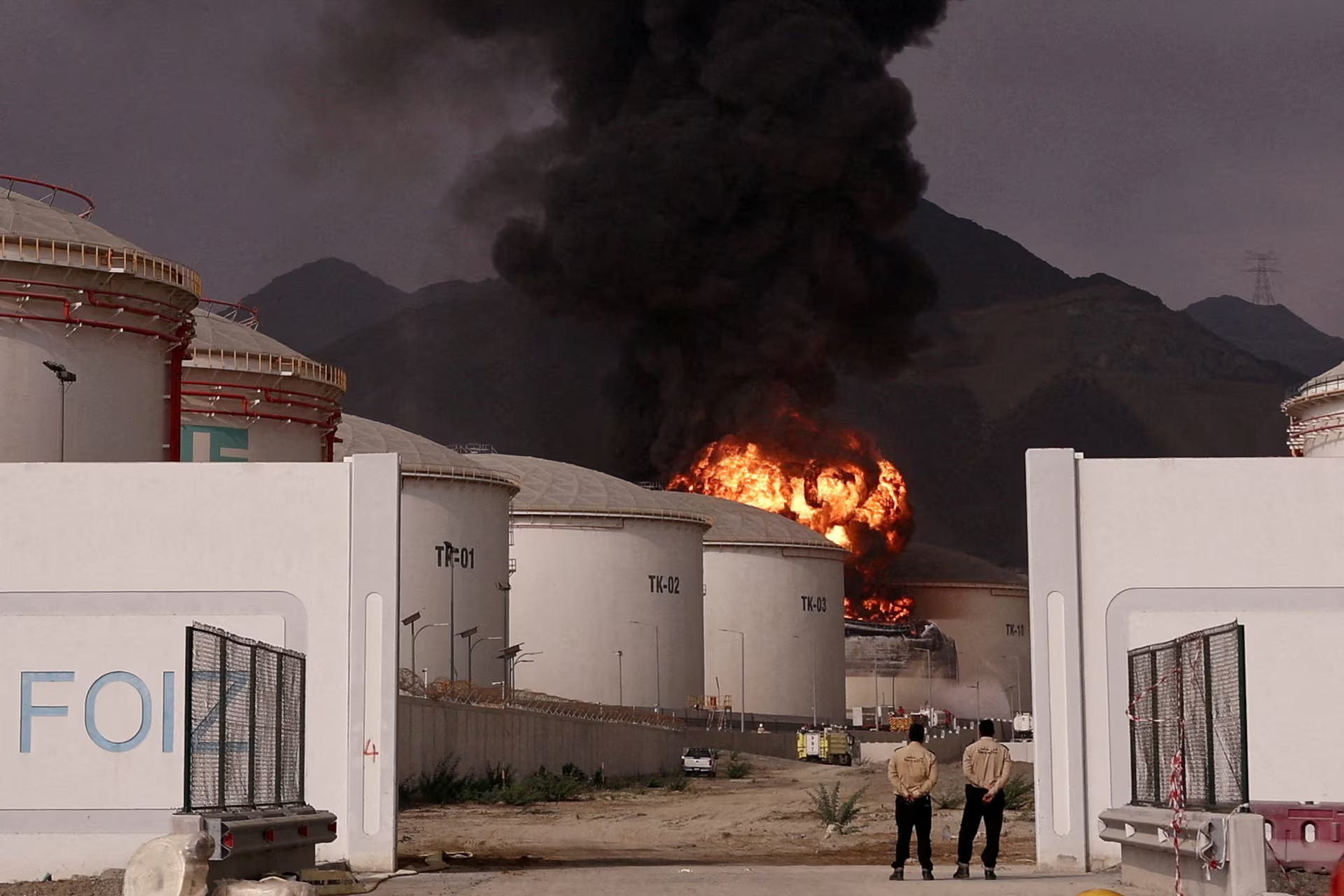
This sense of diminished sovereignty is compounded by economic realities. The closure of Hormuz and the suspension of aviation and maritime activity threaten investments worth hundreds of billions of dollars, while driving up insurance costs for oil tankers and airlines.
A report by the Institute for the Analysis of International Relations (IARI) observes that while U.S. bases provide deterrence, intelligence, and air defense capabilities, they also turn host countries into operational platforms making them legitimate targets in the eyes of Washington’s adversaries. The consequences of attacks extend far beyond the military sphere, impacting trade, finance, and tourism.
The Italian institute further notes that Iran’s targeting of these bases is intended to send a political message: that the cost of hosting U.S. forces may become socially and economically untenable.
In Gulf capitals, this message is increasingly interpreted through the lens of sovereignty as implicit consent to operations launched from their territory that may endanger their economies. Yet refusing cooperation could expose them to American pressure.
Ultimately, such strikes undermine the Gulf’s image as a safe investment destination, translating into tangible economic costs rising insurance premiums, declining tourism bookings, and delays in infrastructure projects.
Scenarios for the Future of U.S. Bases
1. Staying the Course with Recalibration
The most likely scenario is that U.S. bases remain, but with significant changes in their nature and function. According to IARI, the optimal approach is to treat these bases not as fixed targets but as nodes within a distributed defense network. This would involve strengthening missile and drone defense systems and expanding operational coordination between Washington and host nations.
Such a shift would require clear protocols governing the launch of operations from Gulf territory, ensuring that capitals are not blindsided by unilateral decisions.
Under this model, Gulf states would demand greater investment in advanced air defenses and a broader dispersal of military assets rather than their concentration in large, centralized bases.
2. Partnership on Gulf Terms
Another trajectory, highlighted in an Atlantic Council analysis, suggests that attacks on Gulf bases could push the United States into serious dialogue with its Gulf partners about the future of its military presence.
This could lead to a renegotiation of defense agreements, incorporating provisions that protect host countries from unilateral decision-making and enhance their role in planning and coordination.
In this scenario, some countries—such as Qatar—may opt to strengthen rather than scale back their security partnerships with Washington. As IARI notes, cooperation could expand to include cyber defense and the protection of civilian infrastructure.
3. Gradual Drawdown and Strategic Diversification
In some Gulf capitals, voices may grow louder in favor of gradually reducing reliance on U.S. bases in favor of national defense strategies and regional balancing policies.
Fawaz Gerges told Reuters that Gulf states are likely to diversify their security relationships, including strengthening ties with Europe and China to reduce dependence on Washington. Abdulaziz Sager likewise expects Gulf countries to develop their own capabilities to confront future crises.
IARI suggests that Iran’s strategy aims precisely to cultivate such doubts, potentially reinforcing the view that hosting U.S. forces creates more risks than protections.
This scenario aligns with ongoing efforts by countries such as Saudi Arabia and the UAE to expand indigenous defense programs, including domestic missile and drone production.
4. Domestic Contestation Over Legitimacy
The debate could escalate into internal political disputes over the legitimacy of hosting foreign bases. The Atlantic Council points to Israel’s August 2025 strike targeting Hamas members in Doha despite the presence of the largest U.S. base there as a moment that prompted Qataris to question the deterrent value of the American presence.
Should the war persist and economic losses mount, public and political pressure may intensify in some countries to reassess military agreements.
In such a scenario, calls could grow for the removal of foreign troops or at least for subjecting their presence to greater parliamentary oversight placing U.S. bases at the heart of a broader sovereignty debate.