

Before the U.S.–Israeli war on Iran, the issue of Iran’s stranded funds was largely confined to the narrow channels of sanctions policy and limited diplomatic bargaining. That changed when Pakistan stepped in to mediate negotiations aimed at halting the fighting.
During talks held in Islamabad, an Iranian source told Reuters that Washington had agreed to release frozen Iranian funds. A U.S. official, however, swiftly denied the claim.
The renewed discussion of these funds raises a central question: what exactly are these assets, where are they held, and how do frozen funds differ from restricted accounts and the broader financial flows linked to Iran through commercial networks? This report seeks to map out these balances, categorize them, and explain why they have returned to the negotiating table after the war.
Mapping Iran’s Overseas Assets
1. Frozen Accounts in Qatar
Among the most widely known Iranian assets are $6 billion in oil revenues that were once frozen in South Korea before being transferred to restricted accounts in Qatar in September 2023 as part of a prisoner exchange deal between Washington and Tehran.
Official U.S. documents confirm that the transfer from South Korean banks to Qatari accounts was conditional on the funds being used exclusively for humanitarian trade. The money is not paid directly to Iran; instead, it is disbursed to suppliers under U.S. Treasury supervision.
Following Hamas’s October 7, 2023 attack on Israel, the administration of former President Joe Biden suspended access to these funds, effectively re-freezing them while keeping them under monitoring and limiting their use strictly to humanitarian purposes.
In April 2026, an Iranian source told Reuters that releasing these funds was a condition for ensuring safe passage for ships through the Strait of Hormuz. The United States denied that any such agreement had been reached.
2. Accumulated Funds in Iraq and Oman
Iraq imports electricity and gas from Iran, but sanctions have complicated payment transfers. Over the years, these dues have accumulated to an estimated $10 billion.
In 2023 and 2024, the United States allowed Baghdad to deposit these payments into restricted bank accounts inside Iraq, as well as in third-party jurisdictions such as Oman.
U.S. Treasury officials clarified that these funds may only be used to purchase humanitarian goods such as food and medicine. The arrangement aims to ease Tehran’s financial pressure on Baghdad without granting Iran access to unrestricted liquidity.
During a U.S. congressional session in April 2024, Representative Gregory Meeks confirmed that these funds are “held in escrow accounts,” noting that a small portion had been transferred to an account in Oman under U.S. oversight, accessible only for humanitarian purchases.
3. Financial Networks in the UAE
Beyond official reserves, tens of billions of dollars linked to Iran circulate across Gulf markets through front companies, exchange houses, and commercial intermediaries. Dubai, particularly the Dubai Multi Commodities Centre free zone, has emerged as a central hub for these flows.
A U.S. Treasury report from October 2025 revealed that approximately $8.6 billion in Iran-linked financial flows passed through the UAE and other financial centers in 2024. More than 70 percent of these transactions involved UAE-based entities, most of them in Dubai.
The report indicates that these flows include oil revenues channeled through front companies, shipping firms, and investment vehicles. Independent estimates place the total value of Iran-linked assets in the UAE at around $50 billion.
These funds are not sovereign frozen assets but rather complex financial networks deeply intertwined with the local economy. This has revived debate over whether freezing them would harm Dubai’s reputation as a financial hub more than it would impact Iran.
4. Assets in Tokyo and Seoul
Iranian officials have also pointed in recent years to frozen assets in South Korea, Japan, and other countries.
In South Korea, Iran long cited roughly $7 billion in oil revenues frozen under U.S. sanctions. The most prominent portion—$6 billion—was transferred in 2023 to restricted accounts in Qatar under the prisoner exchange deal.
Japan’s case has been more ambiguous. Reuters estimated Iran’s frozen funds there at about $1.5 billion in early 2021, later citing Iranian officials who suggested a higher figure of up to $3 billion.
In August 2023, then-Iranian President Ebrahim Raisi called on Japan to release $1.5 billion in frozen funds, before later stating that the only frozen assets were in South Korea.
Types of Iranian Funds Abroad
1. Frozen Assets
According to the U.S. Office of Foreign Assets Control (OFAC), “freezing” or “blocking” assets means imposing an immediate prohibition on their transfer or use.
Ownership remains with the original holder, but the assets cannot be accessed or moved without OFAC authorization. This applies to Iranian funds in Qatar after they were re-frozen: the accounts exist, but Iran cannot withdraw or transfer the money.
2. Restricted Funds
Restricted funds are held in accounts that can be used only for specific purchases under humanitarian or limited trade exemptions such as the Qatar humanitarian channel.
OFAC guidance explains that the channel is designed to enable the Iranian public to access food, medicine, and medical equipment through tightly monitored payments. It does not permit funds to be transferred to the Iranian government or companies, nor does it lift any sanctions.
Similarly, accounts managed by Iraq and Oman are limited to financing “non-sanctionable activities” such as food and medicine purchases. Each transaction requires approval from the U.S. Treasury. These funds are considered restricted not frozen because they remain usable under strict conditions.
3. Financial Flows and Networks
In parallel with official reserves, Iran has developed over decades of sanctions a shadow system to convert oil revenues into cash.
A U.S. Treasury report showed that these networks include front companies in the UAE, Hong Kong, and Singapore, using correspondent accounts in U.S. banks to transfer roughly $9 billion in 2024.
These flows are neither “frozen” nor “restricted” assets. They are commercial holdings owned by private entities, often registered under foreign nationals. As a result, freezing them is far more complex and requires proof that sanctioned individuals ultimately control them.
Why Has the Issue Resurfaced Now?
The U.S.–Israeli war on Iran led to intermittent closures of the Strait of Hormuz and drove oil prices to unprecedented levels.
While Tehran benefited from higher oil revenues, the war also strained its economy due to strikes on oil infrastructure and intensified sanctions.
In this context, Iran has turned to its stranded funds as a means of easing domestic economic pressure and financing reconstruction efforts.
Recent protests inside Iran demanding relief from inflation and improved access to basic goods have further heightened the need for dollar liquidity, making the release of assets a government priority.
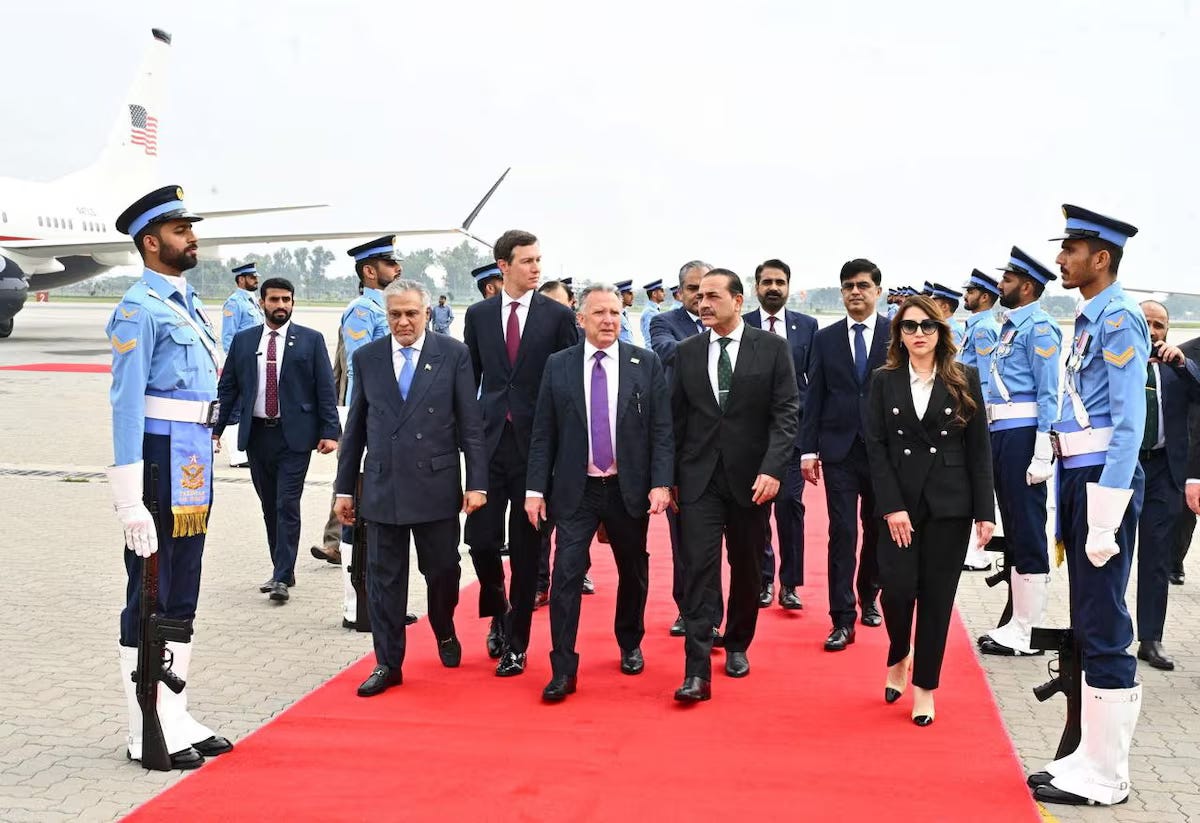
Tehran has linked the release of funds to guarantees of safe passage through the Strait of Hormuz, signaling the use of a geopolitical lever: the ability to disrupt global shipping and inflict economic damage on Gulf states if its demands are not met.
Leaked details from the Pakistan-mediated talks suggest that freedom of navigation in Hormuz was a central issue. In other words, stranded funds have become part of a broader bargaining framework encompassing maritime security, regional stability, sanctions relief, and even compensation for war damages.
For its part, the United States has rejected these demands, insisting that any release of funds must remain within “humanitarian channels,” further complicating prospects for a deal especially as Iran seeks relief on three fronts: frozen and restricted assets, economic sanctions, and war reparations.