

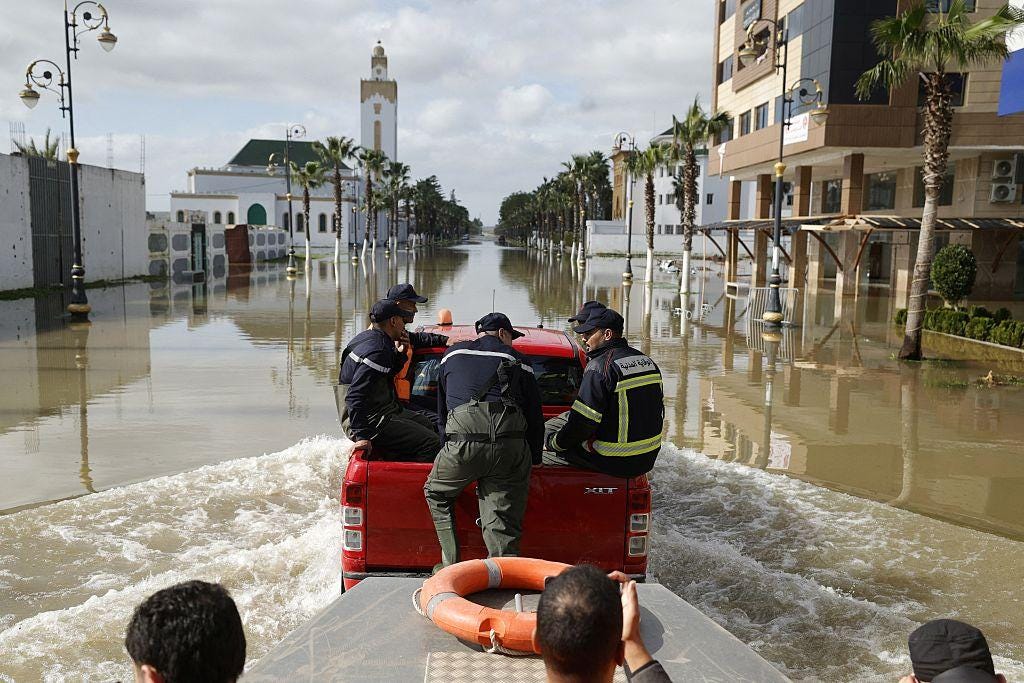
In recent days (February 2026), Morocco has been battered by floods in the city of Ksar El Kebir, following similar devastation in Safi. These downpours mark a sharp break from the prolonged drought that has plagued the country for years. The floods have not only caused deadly damage but also raised urgent questions about Morocco’s preparedness for abrupt climate shifts and the weaknesses exposed in the urban infrastructure of its most affected cities.
Between Morocco’s success in maintaining high-standard stadiums that withstood heavy rainfall during the 2025 Africa Cup of Nations and the failures in urban planning that contributed to the Safi tragedy despite ample warning signs the recent rainfall marks a turning point.
Morocco must now shift from crisis management during drought to forward-looking strategies for coping with unprecedented precipitation, the likes of which have not been seen since 1996.
With the 2030 FIFA World Cup on the horizon, Morocco’s investment priorities are under scrutiny. It is no longer sufficient to prepare only sports infrastructure; the country must undertake comprehensive infrastructure upgrades to ensure not only the success of this global event but also the protection of citizens from the growing risks of extreme weather.
Years of Drought Before the Floods
An official report published in July 2025 labeled Morocco a severe drought hotspot. While the floods have caused destruction and loss of life, the rains were also welcomed as a reprieve after months of water scarcity. Environmental expert Mostafa Al Issat described the 2018–2024 period as the longest drought Morocco has faced in modern history, with 2023 being the driest year in 80 years.
Speaking to Noon Post, Al Issat emphasized that the drought is not a passing anomaly but a sign of deep-rooted climate change. Studies show a rise of 0.2°C per decade in average temperatures since the 1960s and a 20% decline in rainfall since 1980.
“Morocco recorded a 29.22% rainfall deficit compared to normal levels, with just 134 mm recorded in the 2022–2023 agricultural season,” he explained. This led to dam reserves falling below 30% in early 2025 and a steep drop in natural water resources from 12 billion cubic meters annually to just 5 billion in 2023.
To address this crisis, Morocco launched the 2020–2027 National Program for Drinking and Irrigation Water Supply, with a budget exceeding 115 billion dirhams. The initiative focuses on rationalizing agricultural water use, reusing treated wastewater, and encouraging water-efficient crops.
However, researcher Ayoub Krir noted that the reality outpaced expectations. Morocco endured seven consecutive harsh drought years (2016–2024), with a 35% decline in rainfall, drastically impacting dam storage, aquifers, agriculture, and rural employment.
“The per capita share of renewable water dropped sharply to around 565 cubic meters per year, with projections suggesting a further decline to 480 cubic meters by 2030 if current pressures persist,” Krir warned. This scenario has accelerated Morocco’s shift toward desalination projects, inter-basin water transfers, rainwater harvesting, and wastewater reuse.
Why Certain Cities Suffered More
In recent months, floods have swept through several Moroccan cities and valleys, particularly Oued Sebou and Oued Wergha. Safi and Ksar El Kebir stood out as examples of urban centers paying the price for vulnerable geography and unsustainable planning.
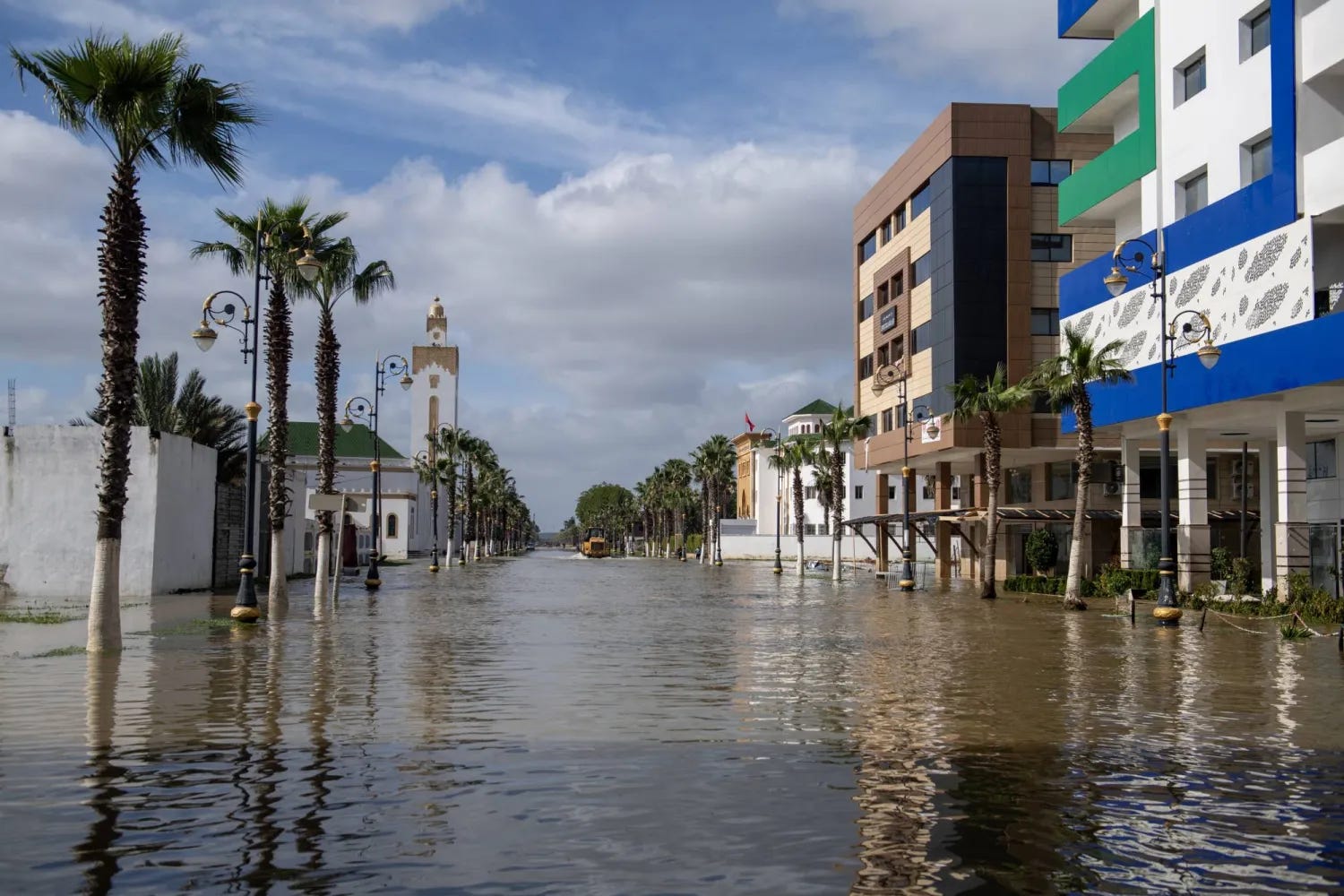
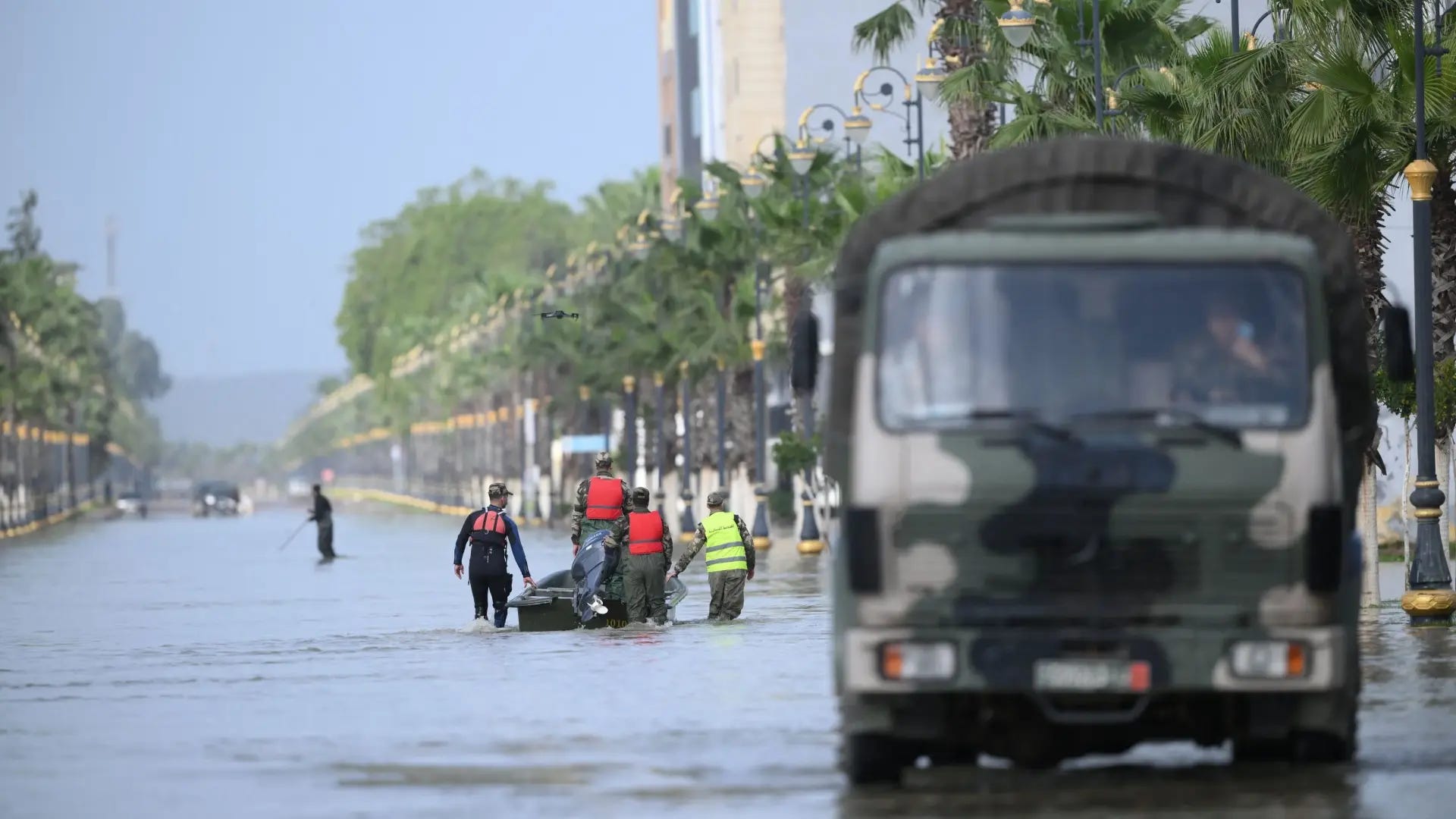
In December 2025, flash floods in Safi killed at least 37 people. The following month, flooding in Ksar El Kebir displaced residents and forced the city to close its borders.
Environmental expert Said Choukri told Noon Post that cities like Safi and Ksar El Kebir are especially prone to flooding due to their geographic location and a long history of risk.
“Ksar El Kebir sits in a low-lying floodplain within the Loukkos River basin one of Morocco’s most abundant yet volatile watersheds. Historical records document repeated disasters here in the 1960s, 1990s, and in 2001, 2013, 2014, and most recently, January 2026,” he said.
Choukri explained that sediment buildup in the Loukkos due to upstream soil erosion, destruction of natural wetlands, tidal siltation at the river mouth, and unchecked urban sprawl in flood-prone areas all contribute to the city’s vulnerability.
In Safi, the issue stems from its location between coastal valleys and the Atlantic Ocean, where floodwaters intersect with tides, creating a “hydraulic blockade” that traps water in low-lying neighborhoods. Weak drainage systems and expansion into old riverbeds only worsen the risk.
Post-Drought, Post-Flood: What Now?
Despite the tragic toll, the floods serve as a wake-up call. After seven brutal years of drought, Morocco now faces a dual challenge: transforming short-term water abundance into long-term reserves and preventing future humanitarian disasters.
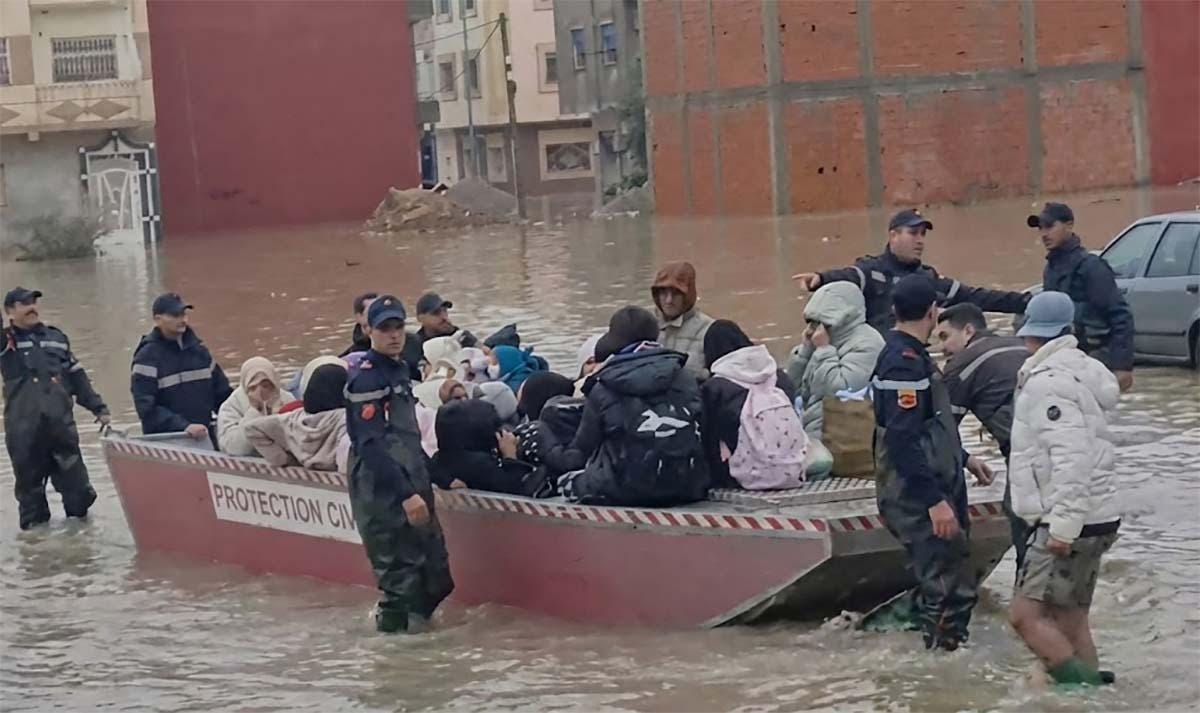
Choukri outlined the need for proactive planning: “We must strengthen early warning systems and model for extreme rainfall. Reservoirs should not be filled to 100% before peak rainfall; instead, preemptive releases should be made when forecasts predict floods.”
He also stressed the importance of reforestation, erosion control, and zoning laws that prohibit construction in flood-prone zones. Urban drainage systems must be overhauled in both capacity and maintenance.
Strategically, Morocco must turn excess rain into strategic reserves using smart storage basins, aquifer replenishment, and floodwater capture transforming climate challenges into opportunities for national water security.
Climate-Smart Infrastructure for the 2030 World Cup
Morocco envisions the 2030 World Cup as a springboard for climate-resilient development, designing roads, airports, and hotels to withstand extreme climate scenarios. The goal is to leave a lasting legacy of climate adaptation beyond the tournament.
According to Choukri, the host cities Casablanca, Rabat, Tangier, Marrakesh, Fez, Meknes, and Agadir are all equipped with FIFA-standard stadiums built to endure extreme conditions, a fact proven during the 2025 Africa Cup of Nations.
Yet he warns that the real threat lies in supporting infrastructure. Roads, power, and communications linking these cities remain vulnerable to flood-prone zones like the highway between Casablanca and Marrakesh.
Critics, including Moroccan economist Najib Akesbi, have questioned the allocation of billions toward sports infrastructure while cities like Safi and Ksar El Kebir suffer from deficient sewage and drainage systems that exacerbated the recent floods.
Researcher Ayoub Krir emphasized that a city’s readiness for the World Cup is about more than stadiums: “It’s about roads, bridges, tunnels, stormwater drainage, public transport, and essential services. We need engineering standards that reflect high-rainfall scenarios, routine pre-winter maintenance, and stronger infrastructure resilience.”
He called for comprehensive simulations involving civil defense, municipalities, and the public to prepare communities for extreme weather emergencies, turning preparedness into a civic skill.