

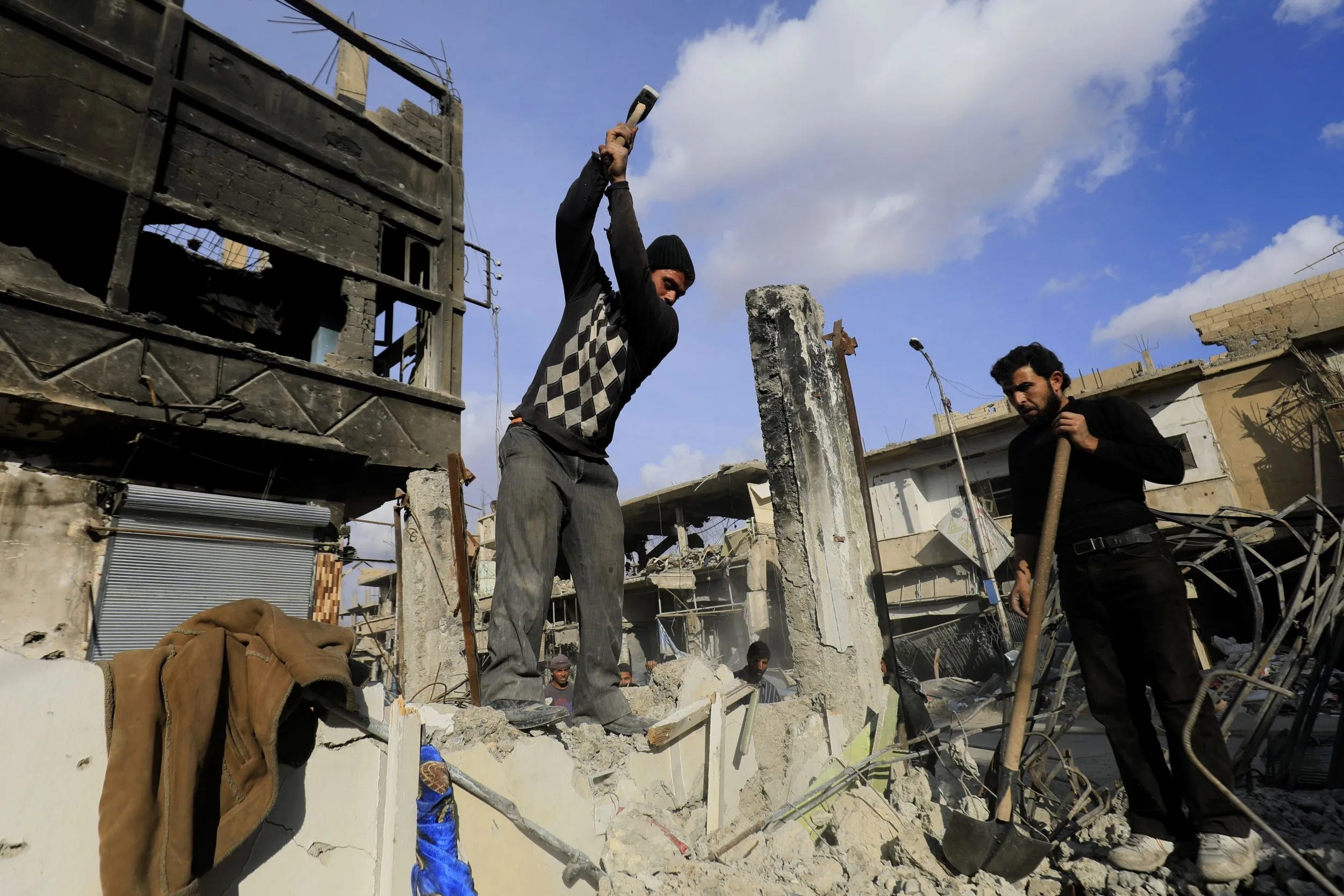
As Syria enters the post-liberation phase, its economy faces a formidable challenge: reviving activity and laying the groundwork for sustainable growth. In this context, the role of Syrian expatriates armed with capital, expertise, and expansive economic networks has come to the forefront.
The map of Syrian presence in neighboring countries reveals that exile has long since evolved beyond a humanitarian refuge. Over the past decade, it has become a wide-ranging human and economic presence, varying in character from one country to another, yet unified in its potential as an asset for rebuilding Syria’s economy.
Syrians in Exile: The Map of Displacement and Economic Potential
Turkey: The Largest Bloc of Human and Economic Capital
Approximately 2.37 million Syrians reside in Turkey, nearly half of whom fall within the productive age group (18–64), highlighting their significant presence in the labor market. Educationally, Syria ranks as the top country of origin for international students in Turkey, hosting over 60,000 Syrian university students more than 18% of the total international student body. An additional 17,000 Syrians have graduated from Turkish universities, forming a highly skilled human capital base.
Economically, Syrians founded 10,332 companies in Turkey between 2010 and 2023, with a combined capital of around $632 million, according to the Union of Chambers and Commodity Exchanges of Turkey. Other estimates place the value of Syrian investments at approximately $10 billion, largely concentrated in small and medium-sized enterprises (SMEs) in sectors such as trade, restaurants, services, and light manufacturing.
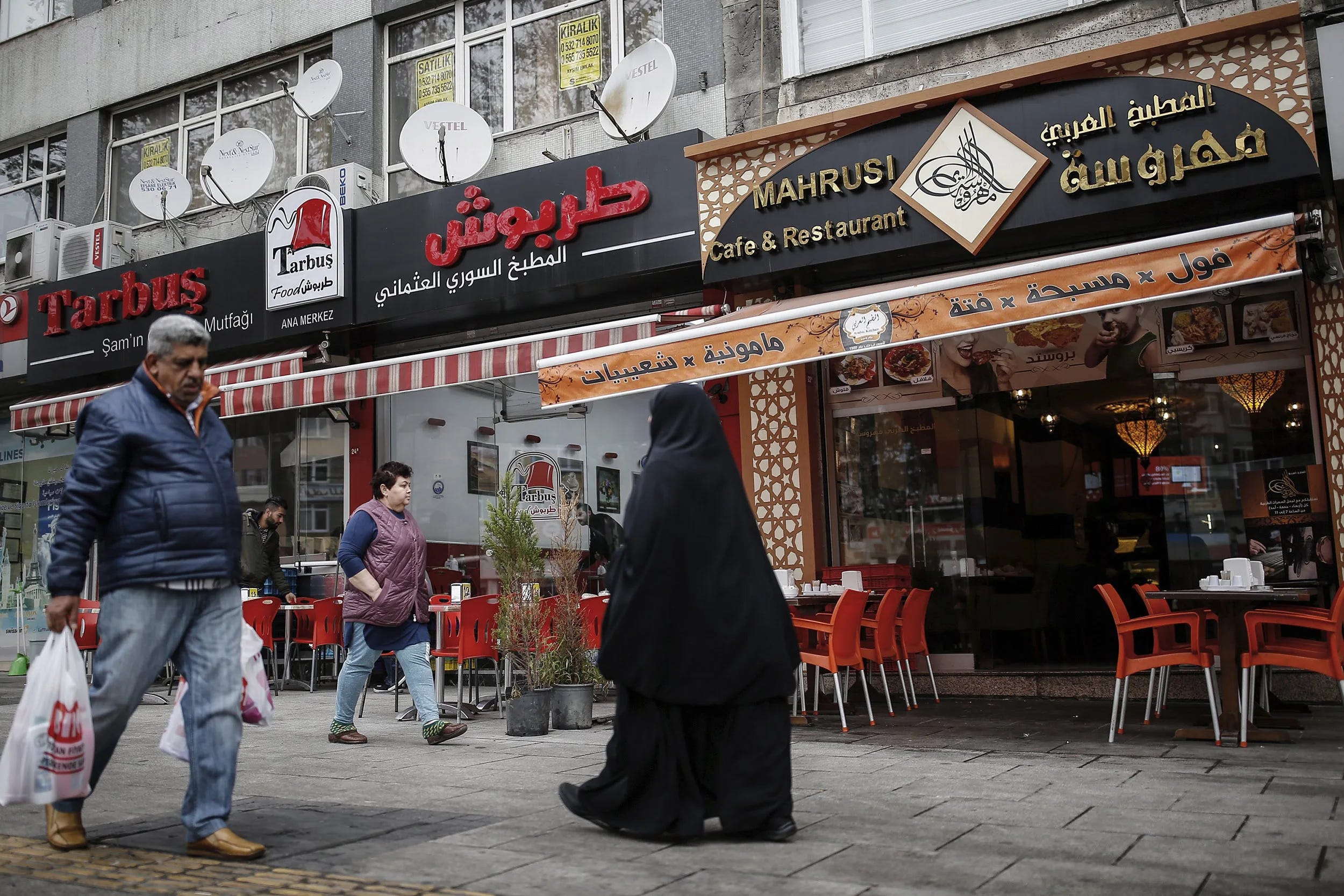
These investments have generated around 500,000 jobs, with Syrians prominently active in the textile, ready-made clothing, construction, agriculture, logistics, and food industries particularly in southern Turkey transforming them into a vital economic actor, far beyond a mere refugee population.
Lebanon: High Population Density and a Parallel Economy
Lebanon hosts one of the densest concentrations of Syrians worldwide. As of December 2024, local authorities estimate the population at around 1.12 million Syrians, including the unregistered, compared to 636,000 officially registered refugees with the UNHCR as of September 2025.
This demographic weight has directly impacted Lebanon’s labor market. Studies estimate over one million Syrian workers are employed across sectors like agriculture, construction, and services primarily in the informal economy.
Despite the lack of precise data on Syrian-owned businesses, Syrian investments are estimated at $26 billion, reflecting a significant yet largely unregulated economic footprint.
Egypt: A Model for Investment and Entrepreneurship
Egypt is home to around 1.5 million Syrians, according to the International Organization for Migration (IOM), and their presence is distinctly investment-oriented. Data from the General Authority for Investment and Free Zones reveals that Syrian nationals own 21.3% of all foreign companies established in Egypt as of June 2025, totaling 16,323 firms.
Syrian investments are estimated at around $23 billion, primarily in trade, food industries, services, and restaurants. This has positioned the Syrian community as one of the most dynamic foreign investor groups in Egypt over the past decade.
Jordan: A Productive and Integrated Community
Roughly 1.3 million Syrians have lived in Jordan since 2011, with 557,783 officially registered with the UNHCR as of March 2025, according to the Social Protection Observatory at Tamkeen. Syrians have emerged as entrepreneurs and investors, with total investments estimated at $25 billion across multiple sectors.
According to the Companies Control Department, over 4,100 Syrian-owned companies are registered in Jordan, operating in industry, trade, and services an indication of genuine economic integration beyond simple labor participation.
Iraq: A Regional Base for Reviving Syrian Trade
In Iraq particularly in the Kurdistan Region more than 300,000 Syrian refugees reside, according to UNHCR data. Their economic activity centers on labor, small enterprises, services, restaurants, construction, and cross-border trade.
This presence is strategically significant, given the geographic proximity and the region’s potential role in reviving overland trade routes and fostering economic integration between Iraq and Syria in the post-conflict era.
Across neighboring countries, Syrians have built up diverse human and economic capital from labor and field experience to entrepreneurship and investment forming a foundation that can be mobilized to jumpstart the Syrian economy and reintegrate it into the regional system.
Syrians in Wealthier Nations
Syrians in wealthier countries represent a powerful economic force—not merely due to their numbers, but because of their financial resources, quality of investment, and degree of integration into advanced economies. Unlike in neighboring states, their presence in the West is marked by professional, structured engagement, albeit with limited official data.
Europe: A Concentration of Syrian Human Capital
Europe particularly Germany and Sweden is home to one of the largest Syrian diasporas, both in size and depth of professional integration. Germany hosts around 973,000 Syrians as of the end of 2023, with approximately 712,000 seeking protection, according to the Federal Statistical Office (Destatis). In Sweden, 244,000 Syrians reside, making them one of the largest foreign communities.
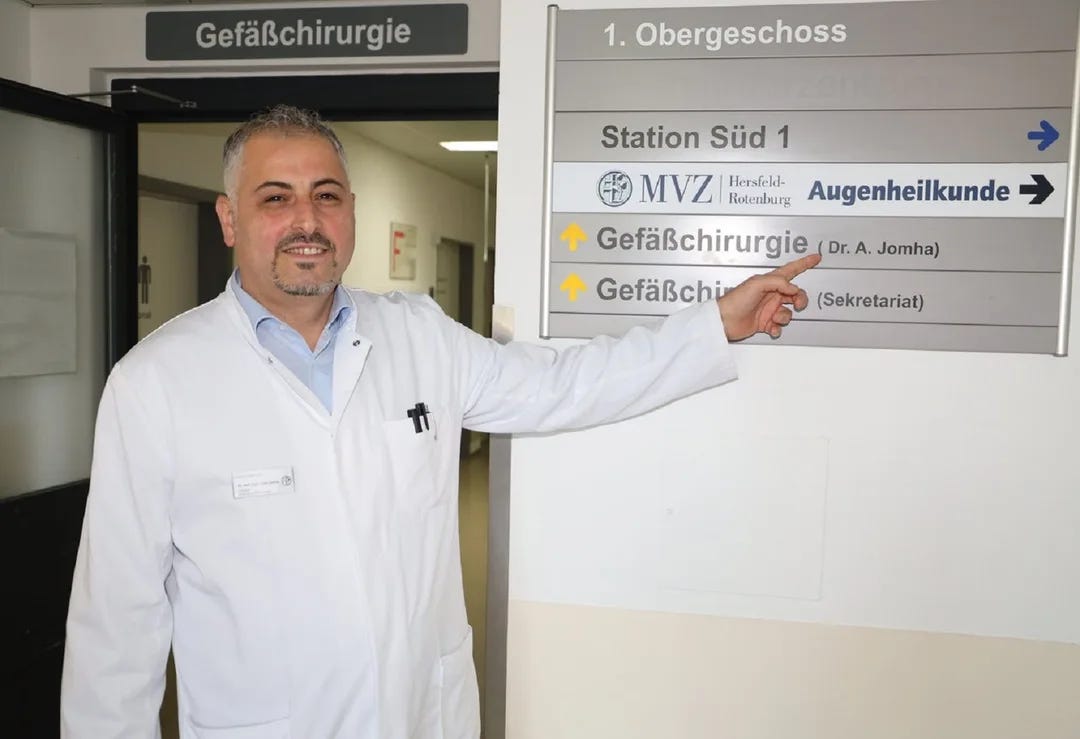
Syrians are active in sectors experiencing labor shortages such as mechanical engineering, automotive manufacturing, public transport, nursing, heavy logistics, and auxiliary health services.
Notably, Syrians are the largest group of foreign doctors in Germany, with 6,120 Syrian physicians working in the German healthcare system as of the end of 2023. This level of professional integration and human capital positions the Syrian diaspora as a significant conduit for transferring knowledge and expertise back to Syria in the future.
Gulf Countries: Large-Scale Investments, Sparse Data
No comprehensive official data exists on the size of Syrian investments in the Gulf, as most countries do not disaggregate investment figures by nationality. Nevertheless, economists estimate Syrian investments in the region in the billions, especially in real estate, tourism, industry, and financial services.
Saudi Arabia hosts approximately 449,000 Syrians. According to Khalid Al-Khathaf, CEO of the Saudi Investment Promotion Authority, Syrian investments in the Kingdom totaled 8.4 billion SAR (roughly $2.24 billion) in 2023, primarily in industry, construction, trade, and professional services.
In the UAE, over 242,000 Syrians live and work, according to the Associated Press. While no official figures are available, the Syrian community is visibly active in services and entrepreneurship within one of the region’s leading financial and commercial hubs.
In Kuwait, 146,000 Syrians reside, most having arrived before 2011 suggesting long-term economic stability in sectors such as services and freelance business.
In Qatar, the Syrian population has grown from 35,000–39,000 in 2011 to over 64,000 by 2024, according to the Syrian embassy. They are mainly active in education, construction, hospitality, and food services.
United States and Canada: Financial Power and Investment Networks
In the United States, the Syrian diaspora wields substantial financial influence. Issam Greewati, president of the Damascus Chamber of Commerce, told Independent Arabia that Syrian wealth and investments in the US amount to roughly $25 billion.
This financial muscle could play a pivotal role in future infrastructure projects. Complementing this is the formation of the Syrian-American Business Council, established by the Ministry of Economy and Industry to foster trade ties and economic cooperation between the two countries.
While no exact figures exist for Canada, estimates suggest tens of thousands of Syrians reside there, many of them highly educated, including entrepreneurs and investors providing another potential link for knowledge transfer and investment.
How Can Expatriates Support Syria’s Economy?
In recent years, remittances from Syrians abroad have served as a crucial lifeline, helping to stabilize local consumption amid economic collapse and widespread poverty. According to the news outlet Al-Hasriyya, remittances have totaled nearly $4 billion since the regime’s fall providing vital liquidity and stimulating demand.
However, this support has largely remained short-term and consumption-driven, without evolving into sustainable developmental leverage.
The next phase requires a qualitative shift from remittances for daily needs to productive investment and long-term economic stability. One of the most impactful pathways is relocating businesses (in part or full) to Syria or gradually returning to the country. The resettlement of even a segment of the diaspora would increase local demand for housing, goods, and services revitalizing domestic markets.
Moreover, the creation of small and medium-sized enterprises (SMEs) factories, workshops, service firms would directly boost domestic production, reduce import dependency, and build a more robust industrial and service base. This, in turn, would generate new employment opportunities, both directly and across supply chains, playing a key role in reducing unemployment and fostering social stability.
Beyond capital, expatriates can also transfer knowledge and skills acquired abroad from modern management and technology to quality standards, institutional culture, and work ethics. These can be brought in through direct return or via remote partnerships, training, and virtual management, without requiring immediate mass repatriation.
The Role of Business Councils
Business councils serve as vital organizing platforms. Entities such as the Syrian-Saudi Business Council, the Syrian-American Business Council, and counterparts in France, Turkey, Britain, and Canada do more than facilitate networking. They also play a strategic role in:
Channeling remittances and capital into productive ventures
Easing business transfers and minimizing investment risks
Building trust between domestic and diaspora stakeholders
Linking Syria’s economy to international markets and partners
Ultimately, remittances alone do not fulfill the diaspora’s potential. Only through investment, knowledge transfer, and eventual resettlement can Syrian expatriates become a genuine engine for economic revival and a cornerstone of rebuilding the country’s economy on sustainable, balanced foundations.
What’s Needed?
Despite the diaspora’s vast financial and human capital, their contribution to Syria’s recovery hinges on a clear and reliable legal and institutional environment. Legal reform is thus an essential prerequisite to unlocking these opportunities.
Talal Hilali, head of Syria’s Investment Authority, stated that the country is drafting a new investment law to protect foreign investors’ rights and offer broad incentives including full tax exemptions in some sectors.
If implemented transparently and consistently, this could be a game-changer in encouraging Syrians abroad to bring back their businesses or launch new ventures, especially in high-value sectors.
Equally important are administrative simplification and streamlined investment oversight. No matter how much capital an investor possesses, they need a clear and efficient pathway to register their business, secure ownership rights, and repatriate profits without falling into bureaucratic traps or regulatory confusion.
Beyond capital, returning talent and skilled labor is vital. Creating a stable work environment, offering professional incentives, and easing the return of experts in fields like industry, technology, management, and healthcare would boost productivity and accelerate knowledge transfer.
Another viable model is establishing investment funds or joint-stock companies to spread risk and enable wider participation. These vehicles could open share offerings to both domestic citizens and diaspora investors helping pool resources into strategic sectors like infrastructure, agriculture, and manufacturing.
Finance Minister Mohammad Yasser Bernia has also hinted at restructuring public-sector enterprises into shareholding companies, with unviable ones to be merged or liquidated. This approach opens the door to new partnerships between the state, the private sector, and the diaspora allowing expatriates to play a direct role in reshaping Syria’s economy, rather than simply supporting from afar.
