

On January 25, Israel’s Haaretz newspaper published an in-depth investigation based on the findings of a governmental committee established in 2022 to examine what became publicly known as the Submarine Affair 3000 currently under review by the Israeli judiciary.
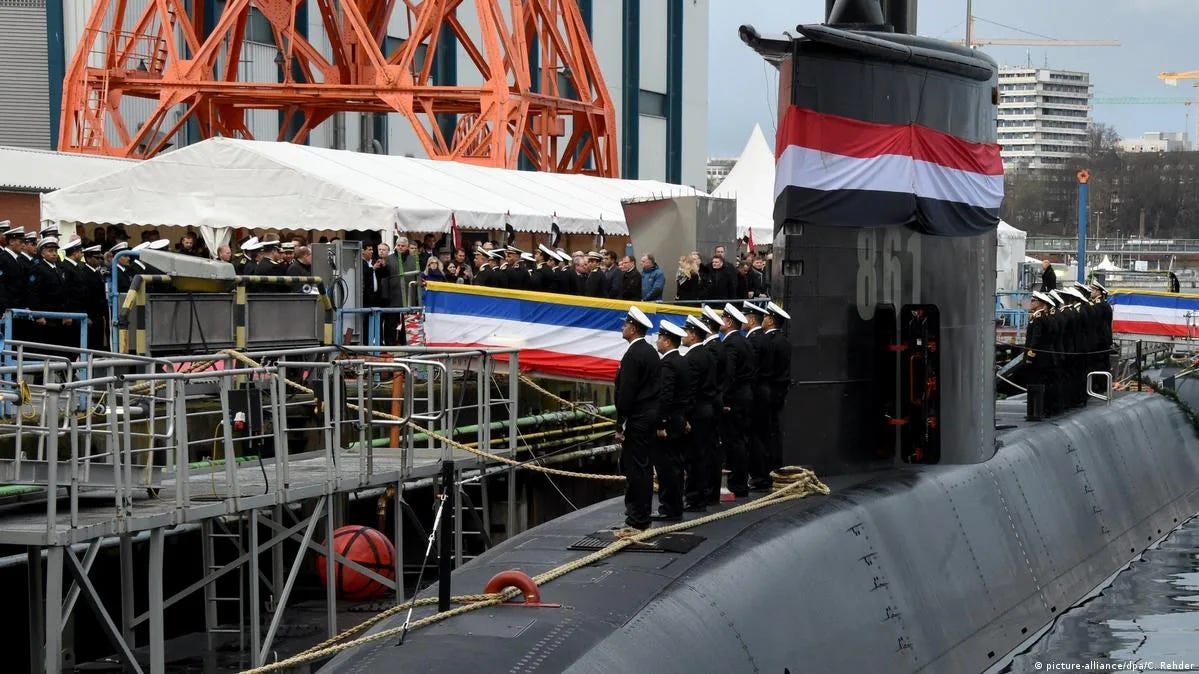
A key focus of the case concerns Egypt’s acquisition of German submarines through a deal signed with Berlin in 2011. According to the report, Prime Minister Benjamin Netanyahu and several close associates gave the green light for the sale—an approval the committee found dangerously lacking in institutional oversight, thereby exposing Israeli national security to significant risk.
Crucially, the report revealed that Germany did not finalize the sale without prior Israeli approval. This revelation revives a long-standing debate about Tel Aviv’s influence in European decision-making circles, and how such influence can effectively amount to an unofficial veto power over arms deals in the region.
The findings raise broader and more sensitive questions about the intricate web of political and strategic calculations shaping Israel’s relations with Europe and key Middle Eastern powers.
Why was the deal approved at that specific moment? And why did Tel Aviv exhibit rare flexibility toward arming Egypt despite Israel’s prevailing security discourse, which frames Cairo’s growing military capacity as a potential threat?
The Submarine Affair: A Controversial Chapter
Case 3000, now before Israeli courts, is one of the most contentious defense procurement scandals in the country’s modern history. It involves a series of submarine and warship deals between Israel and Germany from 2009 to 2017, tainted by years of corruption allegations, conflicts of interest, and bribery making it a constant source of political friction.
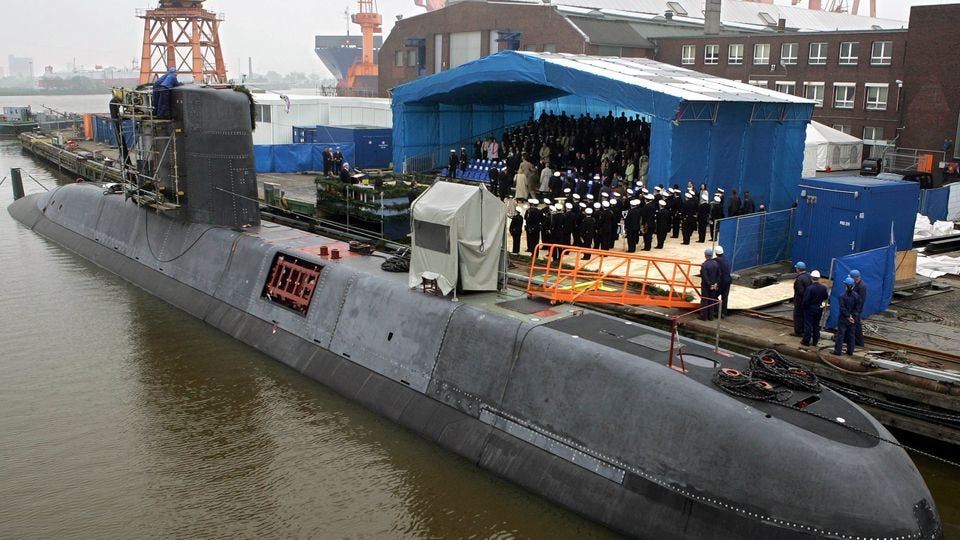
At the heart of the controversy lies the 2011 Egyptian deal for four German submarines. Notably, Netanyahu and other top Israeli officials raised no objection to the sale. Egypt received its first submarine in 2016, prompting sharp criticism from the Israeli opposition.
Opposition leaders accused Netanyahu of compromising Israel’s qualitative military edge and claimed that personal interests influenced his decisions. As the uproar intensified, a wide-ranging investigation was launched along two tracks.
The first, initiated in February 2017, focused on corruption allegations surrounding Israel’s own submarine acquisitions from Germany, ultimately leading to charges against several Netanyahu associates.
The second track was a governmental review established in 2022 to assess whether strategic decision-making in naval procurement, including the Egyptian deal, met required professional and security standards.
While Netanyahu maintained public caution, former government witness Miki Ganor who acted as a broker in the deals gave controversial testimony, claiming Israeli approval was tied to financial incentives from Germany, including substantial discounts on warships intended for Israel.
After three years of deliberations, the committee concluded that the process lacked orderly decision-making, was marred by systemic failures, and managed in a way that could have jeopardized national security.
Why Netanyahu Approved the Sale
Netanyahu and the committee argued that the submarine sale was part of a broader strategic package. Beyond military considerations, Germany reportedly offered nearly half a billion shekels in discounts on naval vessels for Israel in exchange for Tel Aviv’s silence over Egypt’s deal. German media valued Cairo’s contract at around €1 billion.
However, financial benefits were only part of the calculus. The regional context between 2011 and 2013—marked by turbulence—offered additional motives. Israel saw Egypt’s military enhancement as a means to achieve several strategic goals.
Key among them: confronting armed groups in Sinai and pressuring Cairo to clamp down on the Gaza border, including demolishing tunnel networks long used by Palestinian factions. President Abdel Fattah el-Sisi has previously acknowledged this effort.
In this light, Israeli flexibility was not gratuitous it aligned with a vision of long-term gains. The improved Egyptian military posture, it was believed, would restrict adversaries in Gaza, a dynamic that became evident during the two-year siege that left Palestinian resistance severely cornered.
Israel’s Unofficial Veto Over Western Arms Deals
The affair revives scrutiny of Israel’s de facto sway over Western arms decisions, especially regarding sales to Middle Eastern states. Though Tel Aviv lacks formal veto power, its extensive political alliances and lobbying clout often yield influence that rivals official objection mechanisms.
At the core of this influence is the concept of Israel’s Qualitative Military Edge (QME) a strategic doctrine enshrined in U.S. law mandating the maintenance of Israel’s military and technological superiority over potential regional threats.
Major arms deals are thus subject to meticulous review to ensure they don’t erode Israel’s edge. The U.S. Congress has moved over the years to reinforce this principle, giving Israel broad—if unofficial—oversight over regional sales.
QME covers more than just hardware quantities; it encompasses advanced technologies, command systems, cyber warfare, intelligence, and customized platforms. In some cases, Israel receives modified versions of weapons systems like the F-35I fighter jet enhanced with proprietary technology.
This strategy is also used to limit other regional actors’ access to sensitive technologies, thereby preserving Israel’s military freedom of operation, particularly in the air domain.
Pro-Israel lobbies in Washington play a key role in safeguarding this edge, actively monitoring arms arrangements that could narrow the gap. These efforts often ripple into European decision-making, where close defense industry links prompt European capitals to informally seek Israeli acquiescence before finalizing arms deals with Middle Eastern states.
In practice, Israel has become a gatekeeper shaping what deals are deemed acceptable, while leaving room for shifting political calculations that determine when to be flexible or firm.
Why Egypt? A Strategic Calculus
Two overlapping contexts provide an answer: political alignment and security cooperation.
During the years when the submarine deal was greenlit, Egypt and Israel drew closer despite occasional divergences. Following the ousting of Mohamed Morsi, Israel viewed bolstering the Egyptian military as a way to stabilize the new regime and deepen ties with a leadership more amenable to coordination.
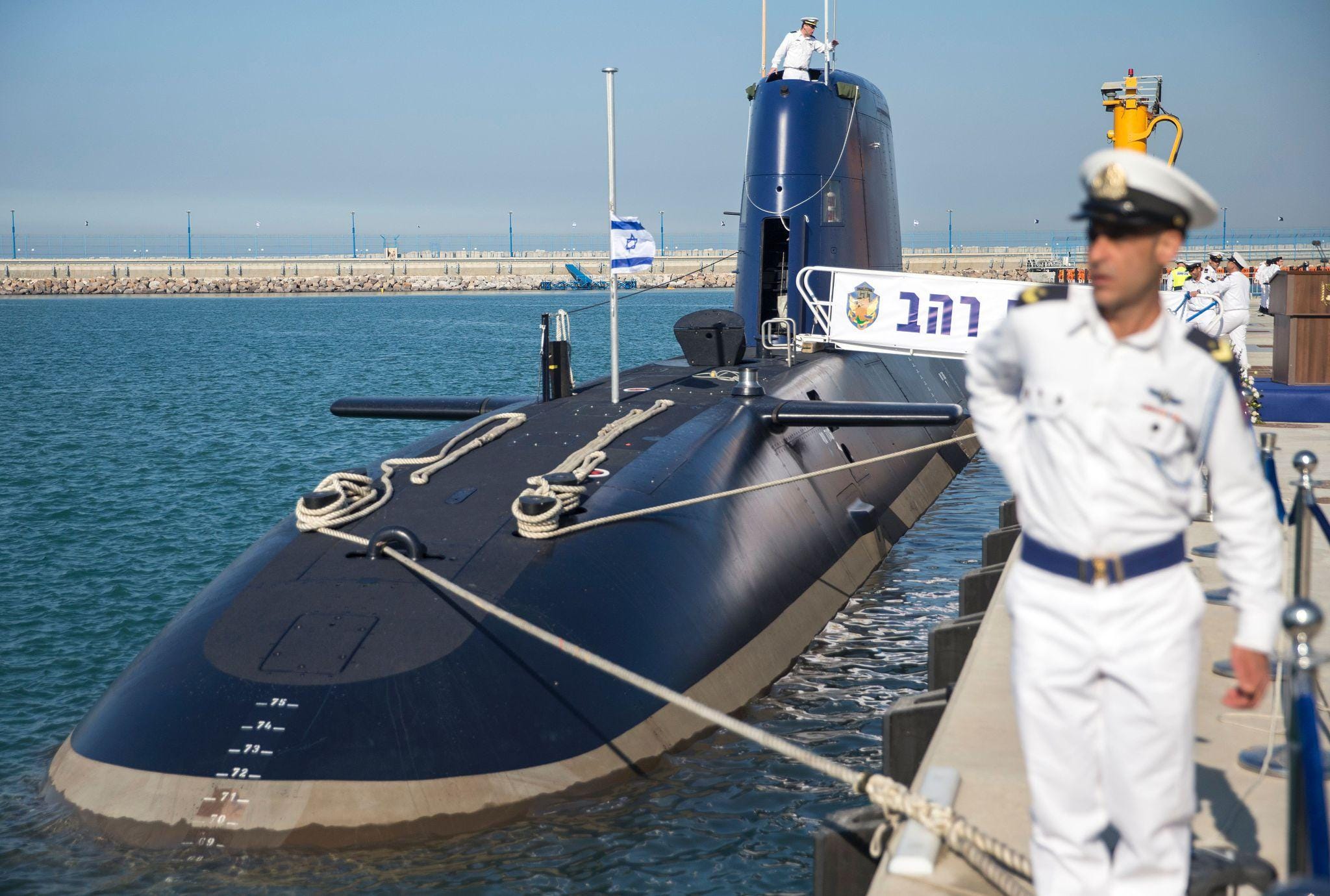
Security cooperation, especially in Sinai and Gaza, further justified such flexibility. Egypt’s role as an intermediary with Palestinian factions and its crackdown on tunnels aligned with Israeli interests. Arms deals, in this view, were part of a larger tradeoff to cement field-level coordination.
Another consideration was strategic containment: keeping Egypt’s military procurement within the Western sphere. Continued reliance on U.S. and European arms helps ensure a level of transparency, allowing Israel and its allies to track Egypt’s military capabilities.
Conversely, blocking deals might have driven Cairo toward Russia or China, reducing Western oversight. From this angle, the submarine deal wasn’t merely a financial transaction, but a calibrated balancing act strengthening a key partner while maintaining strategic control.
Flexible, But Within Red Lines
Despite its occasional flexibility, Israel’s approval for regional arms sales remains constrained by strict red lines. No Middle Eastern power is allowed to possess capabilities that surpass those of Israel.
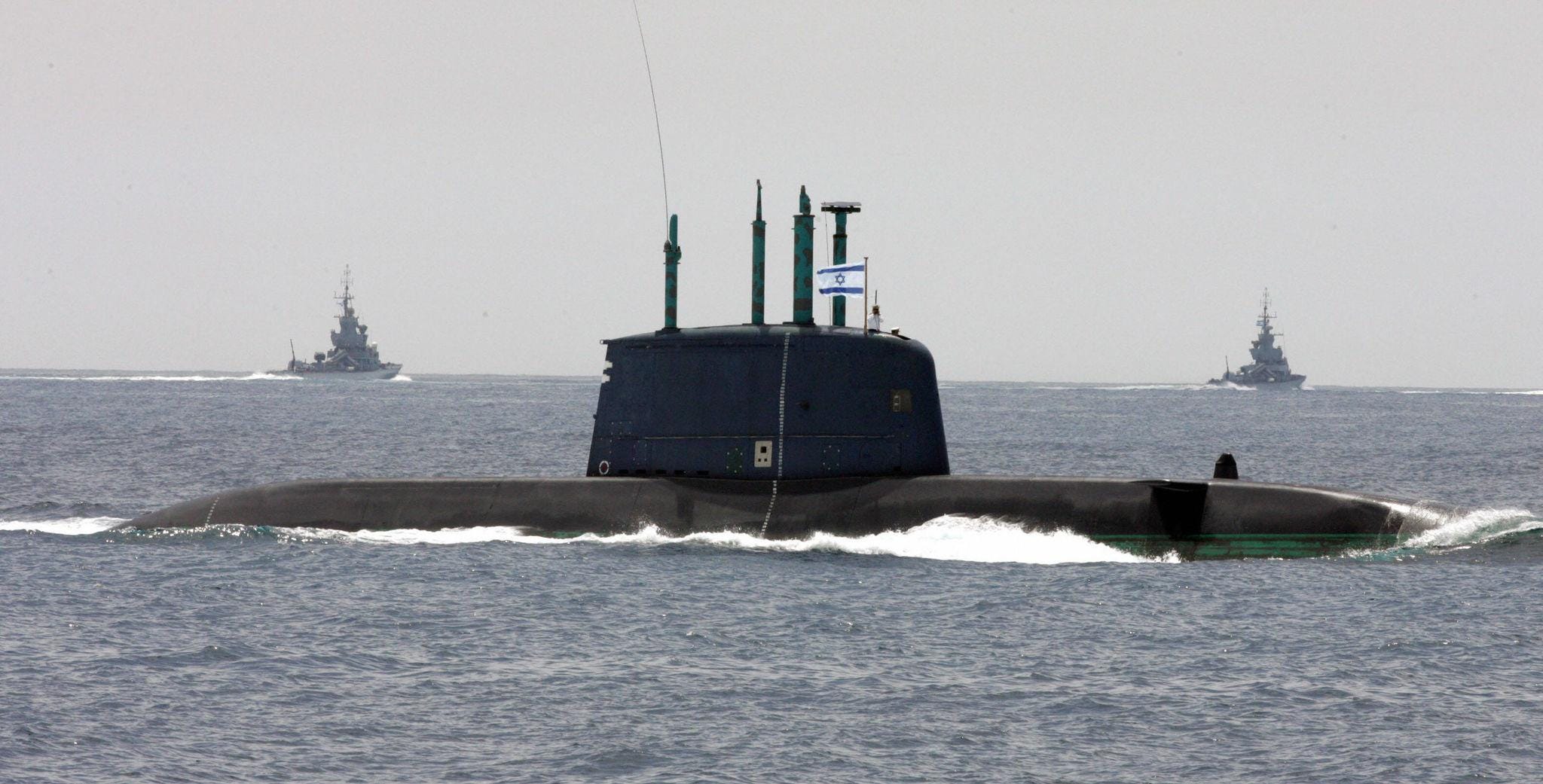
The German submarines delivered to Egypt Type 209 diesel-electric attack models were specifically built for export and date back to 1960s designs. Though they can launch torpedoes and are in use by 14 navies worldwide, they fall short of the sophistication of Israel’s Dolphin-class submarines.
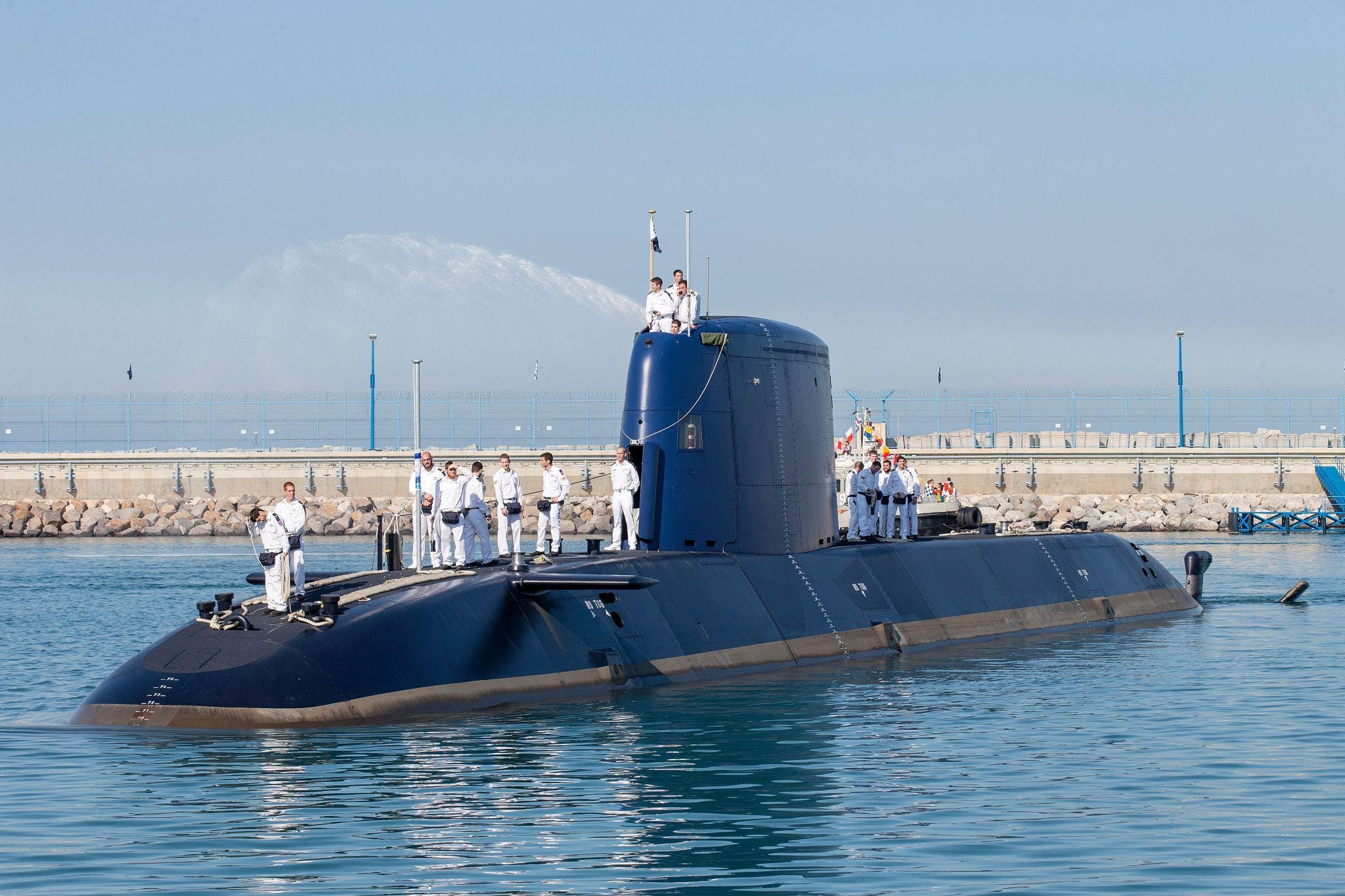
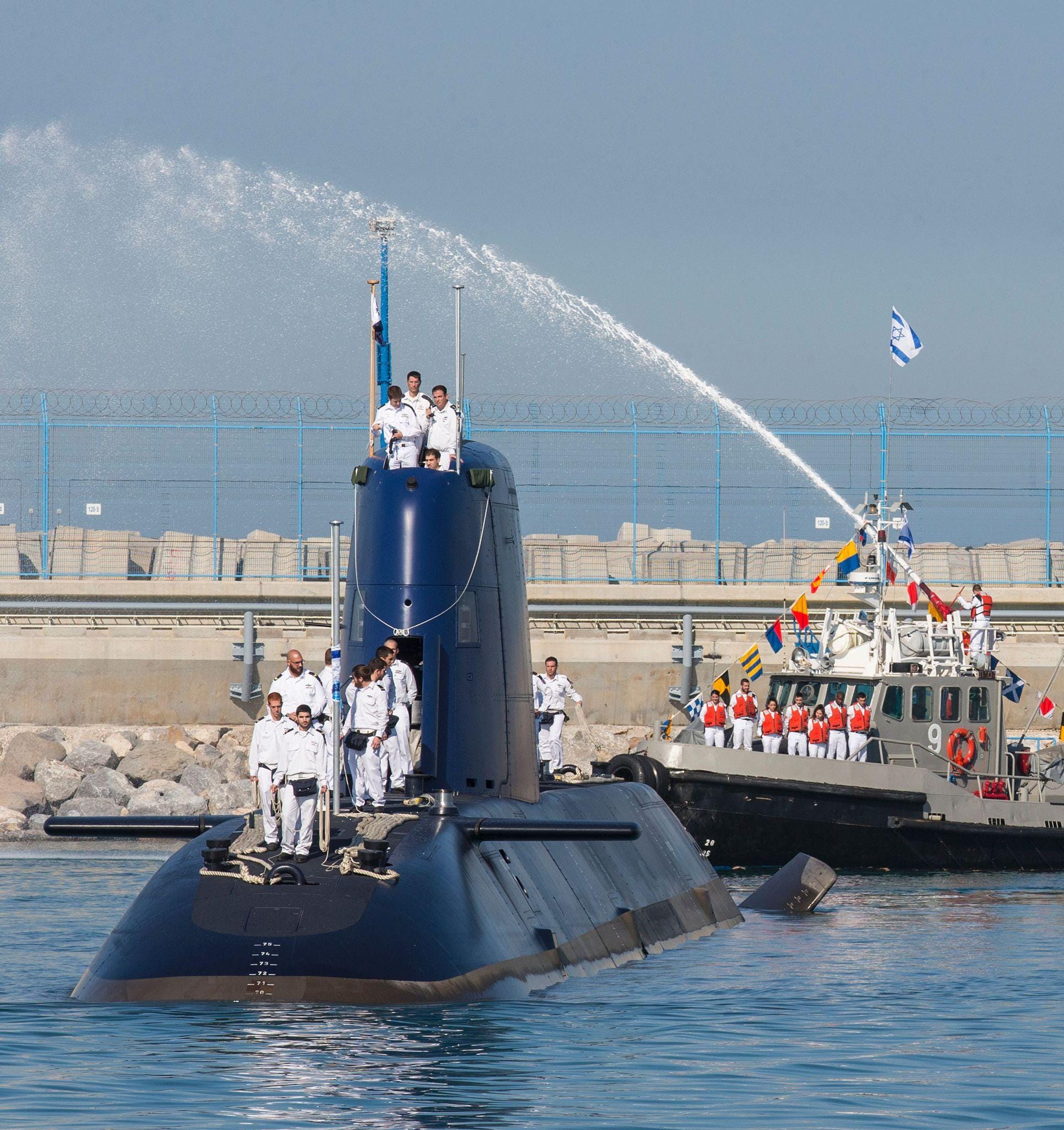
Israel’s Dolphins are nuclear-capable, with long-range cruise missiles and stealth features, giving them a decisive edge in surveillance and deterrence. They can patrol for weeks and support operations critical to securing Israel’s maritime interests.
Through this dual policy, Israel manages to both reassure regional allies via selective arms approvals and protect its defense primacy upholding a strategic framework reinforced by legal and institutional support from the West.
