

In the heart of an expanding humanitarian catastrophe, Gaza finds itself grappling with one of the most complex and dangerous health crises since the war began—a crisis that strikes at the very core of its medical system, threatening its most sensitive lifelines: medical laboratories and blood banks. These are the places where survival is forged and lives are saved, yet the system is now collapsing under massive destruction and a suffocating blockade, teetering on the brink of total breakdown.
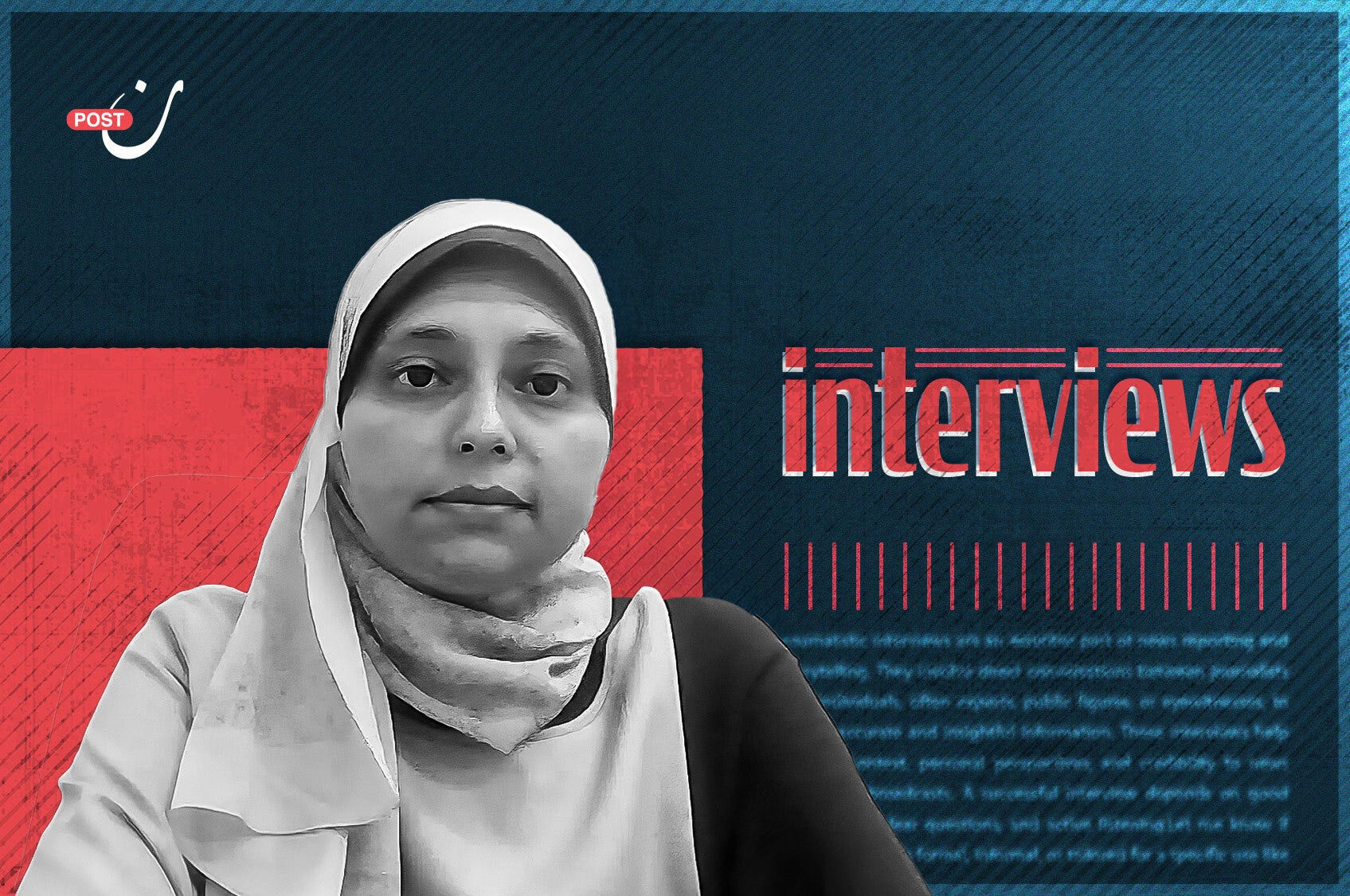
In an exclusive interview with Noon Post, Dr. Sahar Ghanem, Director of the Laboratory and Blood Bank Unit at the Ministry of Health, paints a grim picture of the scale of collapse. Of the 12 central laboratories that once served Gaza, only four remain partially operational, functioning with near-zero capacity and facing severe shortages of lab equipment, reagents, and essential supplies that are vital for life-saving diagnostics.
What are the main factors behind this near-total collapse of Gaza’s laboratory and blood bank system?
This collapse goes far beyond a disruption of patient testing it directly endangers the lives of thousands of wounded civilians, trauma patients, and those with chronic conditions. In a time when every drop of blood and every lab result could be the difference between life and death, Gaza’s health sector is increasingly unable to deliver.
The ongoing war has exhausted every part of the healthcare system, resulting in an unprecedented collapse of Gaza’s medical laboratories and blood banks. The sector now operates at a fraction of its original capacity, amid crushing shortages of lab materials and widespread destruction of critical medical equipment.
Medical teams have continued working since the very first day of the war under near-impossible conditions. Despite the destruction of essential devices and extreme shortages, laboratory personnel and blood bank workers have managed to maintain some core diagnostic and blood transfusion services for patients and the injured at least for now.
How many laboratories are fully or partially out of service, and what are the main challenges they face?
The current situation is catastrophic by every measure. Only 4 out of 12 hospital-based laboratories and blood banks are still operating. In Gaza’s primary healthcare centers, just 13 out of 37 labs remain functional half of them only partially.
The Public Health Laboratory the only facility specialized in testing water, food, and medicine has been completely destroyed. Most of the equipment at the central lab in the Turkish Hospital has also been wiped out, halting the majority of specialized tests for infectious diseases.
At present, only the most essential diagnostic procedures are being carried out, using whatever resources remain.
What has been the impact of losing more than 50% of laboratory equipment on hospitals’ ability to provide care?
Over half of Gaza’s lab equipment has been either destroyed or rendered inoperative. The few remaining machines are now under unprecedented pressure, frequently breaking down and causing delays in test results. This in turn hampers timely and accurate diagnoses for patients, with potentially deadly consequences.
What essential diagnostic tests have stopped or are at risk of stopping and what does that mean for patients?
The outlook is deteriorating rapidly. One of the most crucial diagnostic tools, the complete blood count (CBC) test used across all hospital departments is now at risk of complete shutdown due to a depletion of reagents. Other vital tests, including electrolyte panels, chemical diagnostics, and blood safety screenings, are facing similar threats. If these services stop, patients will be left without accurate diagnoses or appropriate treatment.
Since the start of the war, Gaza’s labs have resorted to makeshift and manual methods to perform certain tests attempts to keep services going for as long as possible. But these methods are slower, less efficient, and place enormous strain on already limited lab staff.
Is there a shortage of trained lab technicians, or is the crisis primarily about materials and equipment?
The core issue isn’t the availability of skilled personnel it’s the lack of essential materials, supplies, and functioning equipment. Despite repeated appeals by the Ministry of Health for urgent international intervention to deliver lab equipment and materials, support remains grossly insufficient.
With a daily need for 300 units of blood, how is the shortage impacting the injured and critically ill?
The need for blood has surged to 300 units per day due to the high number of critical injuries. The Ministry of Health warns that the collapse of laboratory services at any moment could endanger the lives of thousands of patients and wounded civilians, especially as the war and the degradation of Gaza’s health infrastructure continue.
Since the ceasefire came into effect, only a trickle of lab materials has reached Gaza—far below the minimum needed, particularly in light of the staggering number of patients and injured individuals.
The severe shortage of lab materials has now surpassed 70%, meaning most essential tests are at imminent risk of being halted due to depleted inventories.
What is needed to ensure labs can continue operating amid ongoing war and siege?
Gaza’s laboratories face an urgent and immediate need for all types of diagnostic devices especially those used to monitor and treat chronic and life-threatening conditions, as well as for critical tests required by war injuries.
Continued closure of border crossings and the blockade on lab materials and equipment could cause a complete shutdown of laboratory services at any moment placing lives in grave danger.
The remaining operational supplies will last only a short while, making the collapse of essential diagnostic services inevitable without swift intervention.
What message would you like to send to the international community regarding support for Gaza’s health sector and the continuity of lab and blood bank services?
If lab materials and essential supplies are not delivered immediately, laboratories will be forced to stop conducting many general and vital tests putting lives at risk.
Gaza’s healthcare system stands on the edge of total collapse, and with it, patients’ chances of receiving proper diagnosis and safe treatment continue to dwindle in a war that has consumed every aspect of life.
