

History operates according to a rigid logic: some events mark clear turning points, sometimes constituting a rupture with what came before. When the United States and Israel struck targets in Iran on the morning of February 28, the conflict extended far beyond the region.
China, as one of the primary buyers of Iranian oil, may suffer from the war, yet it also has a strong interest in preserving the status quo that drains the United States consistent with a Confucian principle often cited in Chinese foreign policy: “Sit by the river and wait for your enemy’s corpse to float by.” Meanwhile, Russia stands to benefit in multiple ways from the diversion of U.S. resources and the disruption of global energy markets.
So far, the European Union in general and NATO and the G7 in particular have shown no desire to become militarily involved in the conflict. Nevertheless, even without direct participation, they face serious challenges stemming from the war’s economic and energy repercussions. Oil and gas prices have risen sharply across the EU, likely ushering in inflation and economic slowdown.
This comes at a time when the EU is attempting to fully abandon Russian fossil fuels, which have been relatively stable, affordable, and predictable. Moreover, in member states more open to accepting refugees, the war has heightened risks of terrorism and migration pressures.
The Iranian conflict has also exposed tensions within NATO between the United States and its European allies. Yet some EU leaders appear determined to exploit the situation to sustain support for Ukraine.
These contradictions open a window onto one of the war’s most significant consequences. While economic blocs and military alliances such as NATO, BRICS, the G7, and the Shanghai Cooperation Organization were meant to consolidate shared interests against rival blocs, internal divisions within these groupings are increasingly evident.
At times, these conflicts of interest reach a point that could lead to fragmentation or failure as may be the case for NATO and the G7 or even prevent emerging organizations like BRICS from fully consolidating. How, then, is this war reshaping regional and global alliance projects? And can we anticipate where this trajectory is headed?
An Alliance on Top of a Volcano
With the exception of Japan, the United States, Canada, the United Kingdom, France, Germany, and Italy form the core of NATO and are also members of the G7, bound together by economic cooperation. These countries are thus united within economic frameworks while ostensibly sharing a common geostrategic vision regarding global security, the Middle East, maritime security, and supply chain resilience.
At the 2025 Hague Summit, France insisted on classifying Iran as a hybrid threat to NATO and regional security, citing its alliances with Russia and China and its network of regional militias. Yet when war broke out, this threat appeared largely theoretical in NATO’s eyes, as its major members rejected military involvement particularly after Europe began to feel the economic fallout.
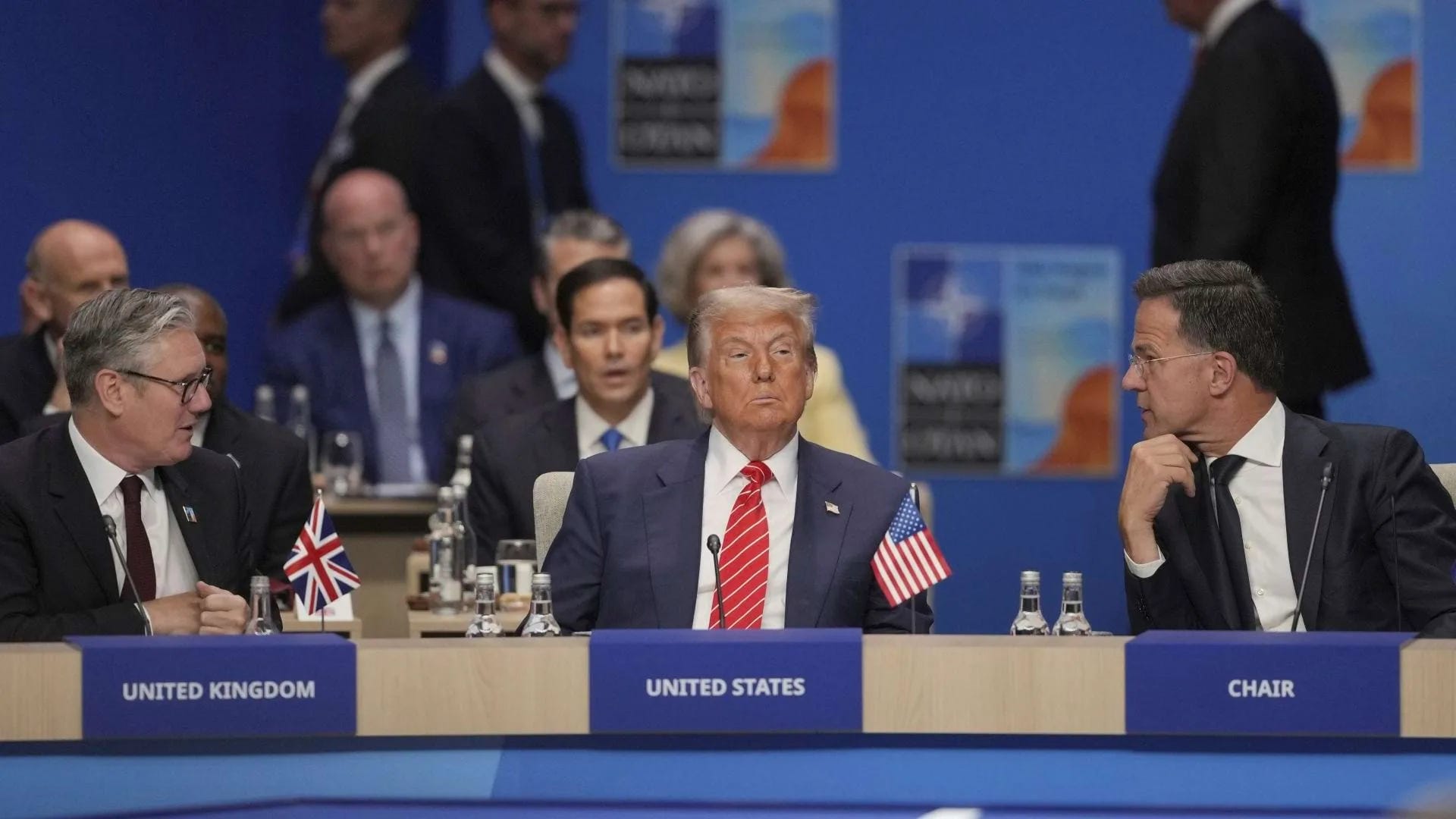
For his part, Donald Trump has shown little regard for Europe’s complex positions or the interplay between security and economic considerations within NATO. In the early hours of March 28, speaking in Miami Beach, he remarked: “Is this breaking news? I think we have breaking news,” hinting that he was seriously considering withdrawing from NATO, which he described as a burden on the United States.
Trump has made similar statements repeatedly—even before the Iran war—making it difficult to determine whether he is serious or rhetorical. For Europe, however, such remarks raise pressing questions about NATO’s future without U.S. leadership. With the outbreak of war, these concerns have become more tangible than ever, especially as U.S. Secretary of State Marco Rubio continues to press NATO members on the war’s merits while attempting to soften Trump’s rhetoric.
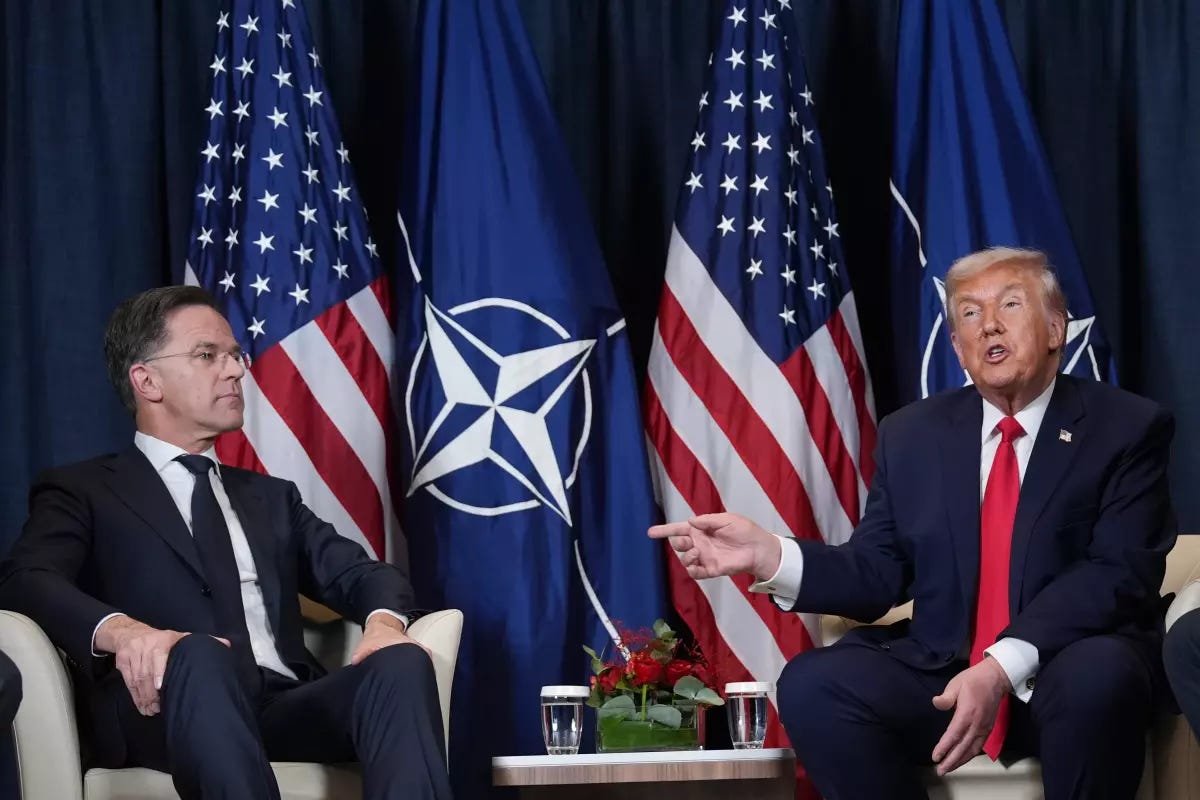
“NATO’s Secretary-General Mark Rutte once remarked, ‘Our father—“Daddy,” as he originally put it—sometimes likes to use harsh language,’” in a moment of flattery directed at Trump in June 2025. When the war erupted, Rutte declared NATO’s full support for Trump, stating: “He is doing this to make the entire world safer.
Let’s not be naive. Iran has been a source of chaos in the region and the world for years, and what the United States is doing is undermining that capability. I support that.”
Rutte’s remarks encapsulate a classic wartime dilemma: security for the sake of the economy, or the economy for the sake of security? Yet most NATO members appear unwilling to echo such deference. Some have begun signaling that patience is wearing thin.
“We were surprised by an American ally—still an ally—but one that is becoming increasingly unpredictable and does not bother informing us before launching military operations. That threatens our security and interests,” said General Fabien Mandon, Chief of Staff of the French Army.
This divergence reflects a fractured Western relationship with the United States one that began to show strain in 2018 with Trump’s initial threats to leave NATO and has intensified during his second term, from tariff disputes to Greenland and Ukraine, and now the Middle East.
NATO and the G7: Fractured Partners
The historic abbey in Vallée de Chevreuse—now a Rothschild-owned hotel—may be one of France’s most tranquil retreats. But tranquility was not afforded to Marco Rubio, whose latest attempt to bridge divisions within the G7 proved unsuccessful.
This dissonance is evident in a series of statements pushing back against Trump’s rhetoric. UK Prime Minister Keir Starmer affirmed: “We will not be dragged into this war. Our forces can only be deployed under carefully considered and lawful plans.”
At the same meeting on March 27, French Defense Minister Catherine Vautrin emphasized: “This is not our war,” adding that diplomacy remains “the only path capable of restoring peace.”
The meeting underscored widening gaps among allies. Doubts over the war’s value are growing, while six member states condemned attacks on civilians in Iran without naming the perpetrator a signal of unease toward Washington. More critically, concerns were raised that the Middle East conflict could undermine U.S. commitments to Ukraine. Rubio’s response was far from reassuring: while arms sales continue, shifting priorities may become unavoidable.
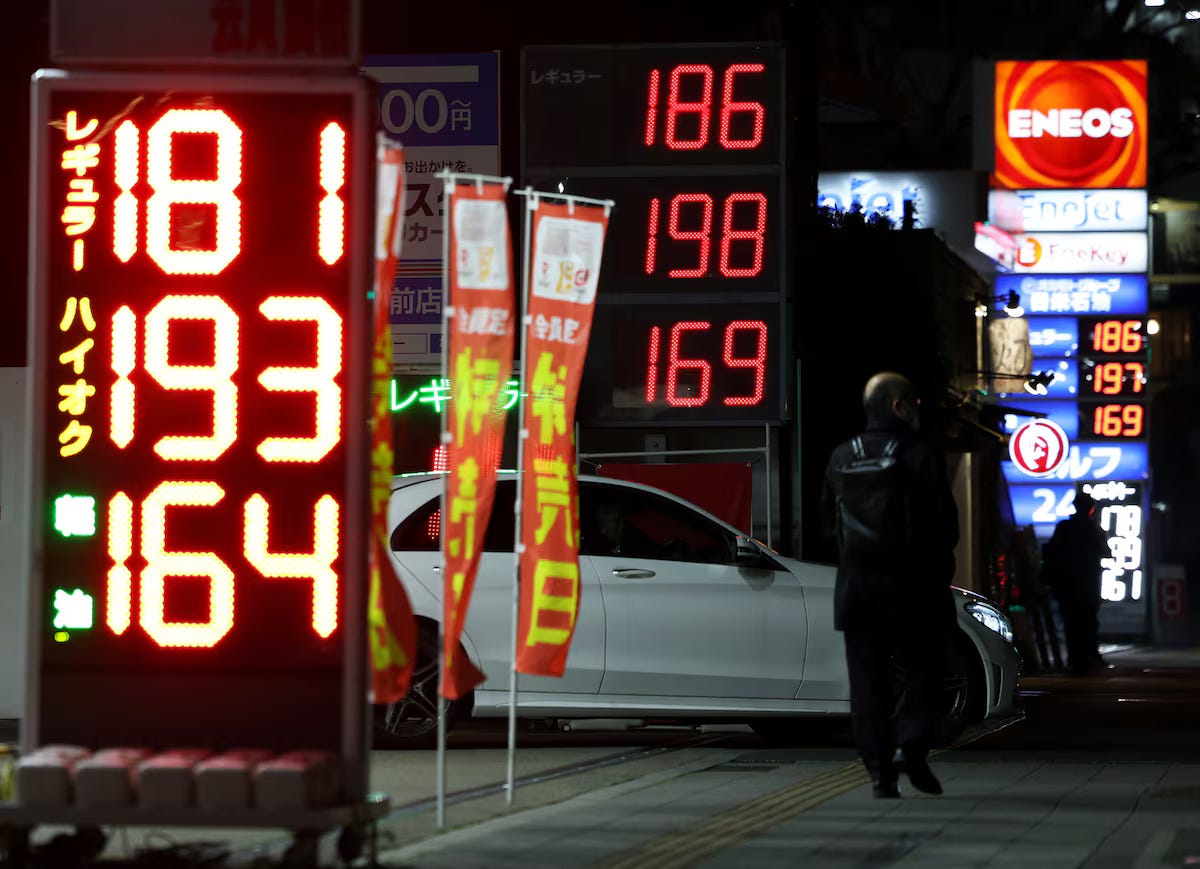
On the same day, Japan warned that the oil crisis triggered by the war could lead to prolonged inflationary pressures. With nearly 90% of its crude oil imports passing through the Strait of Hormuz, Tokyo faces a stark dilemma between security priorities aligned with Washington and economic stability.
Eastern Blocs: A Foggy Landscape
Unlike previous conflicts, BRICS has yet to issue a unified stance. South Africa, China, and Russia have each expressed support for Iran, while India’s position remains cautious. Egypt, a recent member, appears torn between condemning the attack and maintaining ties with Gulf partners and the United States.
The war reveals that the relationship between Russia, China, and Iran is not a cohesive bloc but rather a flexible alignment driven by intersecting interests. While these states increasingly form an informal strategic triangle, their policies remain guided by national priorities.
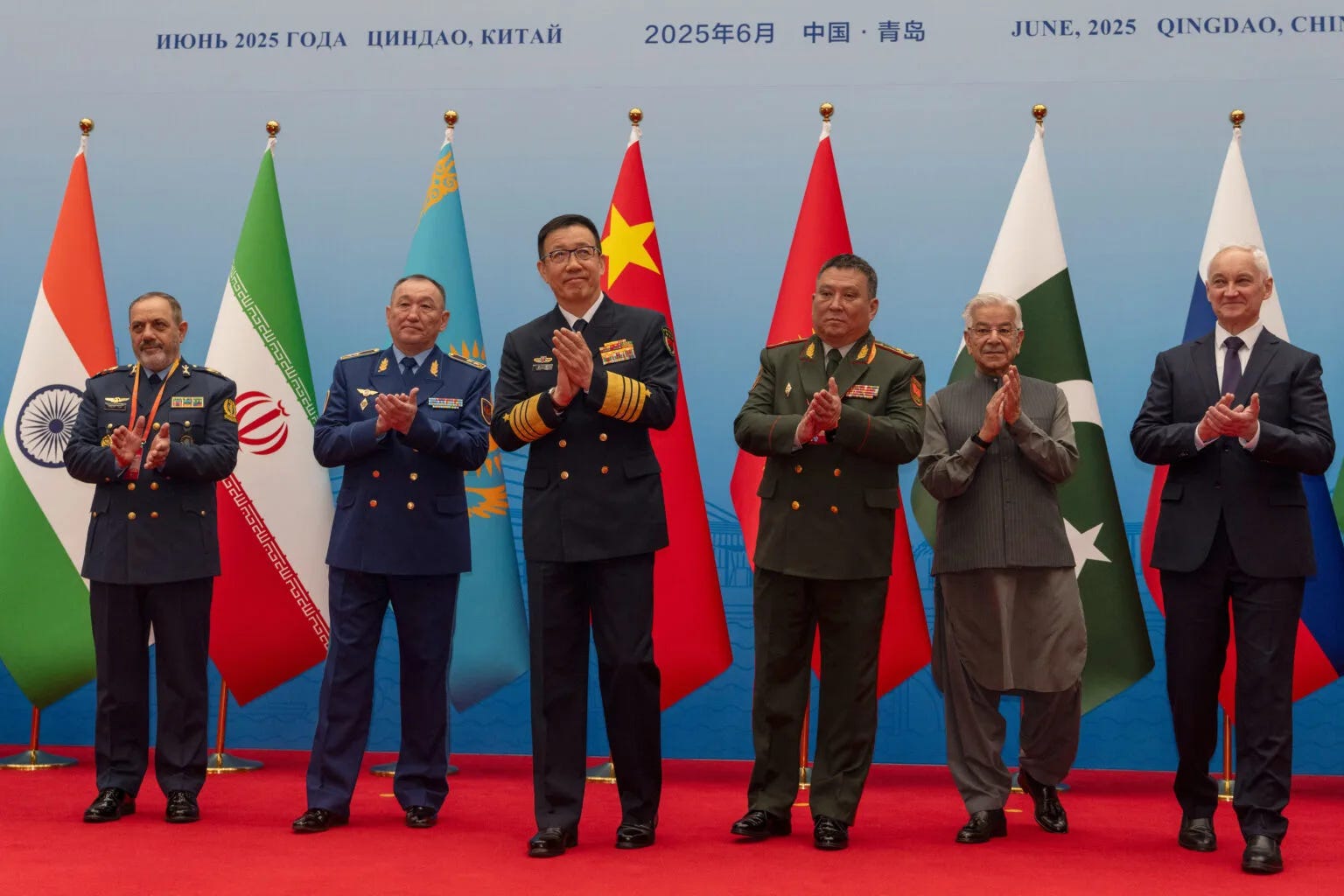
Within institutions like the Shanghai Cooperation Organization and BRICS, the conflict represents a stress test. While neither bloc can rival U.S.-Israeli military power, the crisis may accelerate efforts to deepen economic coordination, expand yuan-based energy trade, and establish alternative payment systems.
Yet structural limits remain. As analyst Alexander Gabuev notes, BRICS is not a military alliance and carries no obligation of mutual defense. Expectations of it evolving into a Western-style bloc are likely misplaced.
BRICS: Structural Contradictions
Political scientist Oliver Stuenkel argues that criticism of BRICS as ineffective stems from a flawed assumption that it is meant to function as a unified geopolitical alliance. In reality, its diversity is not a weakness but a defining feature.
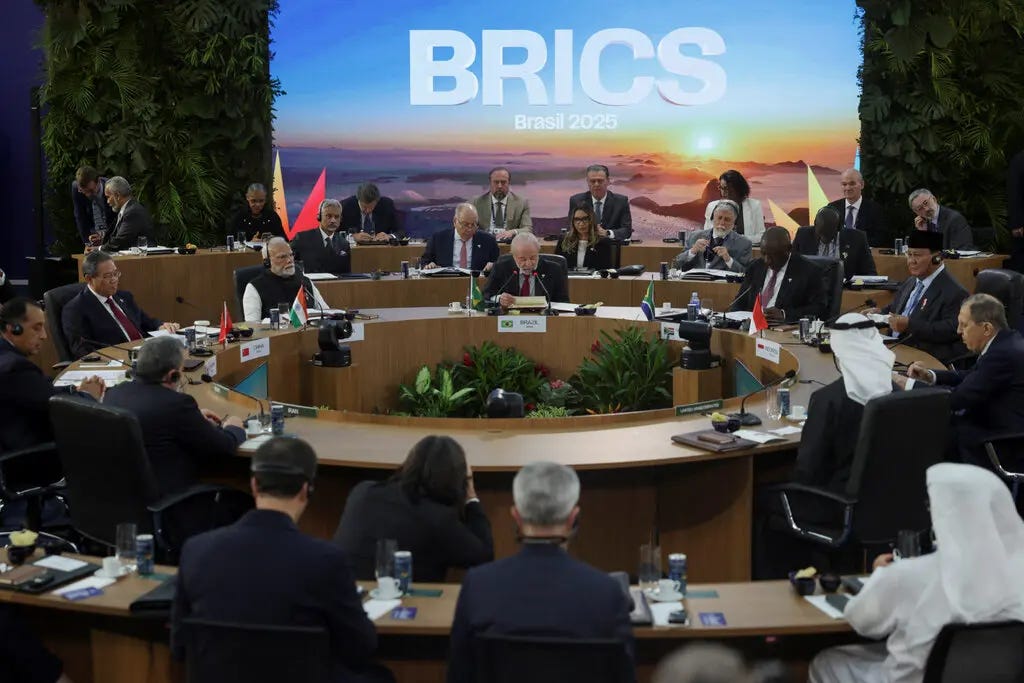
Since its inception in 2009, BRICS has brought together countries with divergent priorities. Expansion in 2024 including Iran, Egypt, Ethiopia, and the UAE has only deepened internal complexity. Even consensus on major issues, such as UN Security Council reform, remains elusive.
Stuenkel concludes that internal divisions do not signal failure. Western alliances themselves are similarly divided over Iran. BRICS, he argues, is better understood as a flexible diplomatic platform rather than a formal alliance.
Future Scenarios: Dependent on China
According to economist Alicia García-Herrero, the war places China at a strategic crossroads. A U.S. victory could undermine Beijing’s multipolar vision, while failure to support Iran risks damaging its credibility among Global South partners.
Conversely, a U.S. withdrawal could open the door for expanded Chinese influence through diplomacy and investment echoing the geopolitical shifts following the U.S. withdrawal from Afghanistan in 2021.
Ultimately, many analysts believe the future of multipolar institutions hinges on China’s decisions. Yet others argue that BRICS will endure regardless, as its purpose is not unity but flexibility.
As Stuenkel concludes: BRICS is not an alliance in the traditional sense, but a diplomatic space one where rising powers coordinate selectively, hedge against uncertainty, and pursue influence without committing to a unified strategic agenda.