

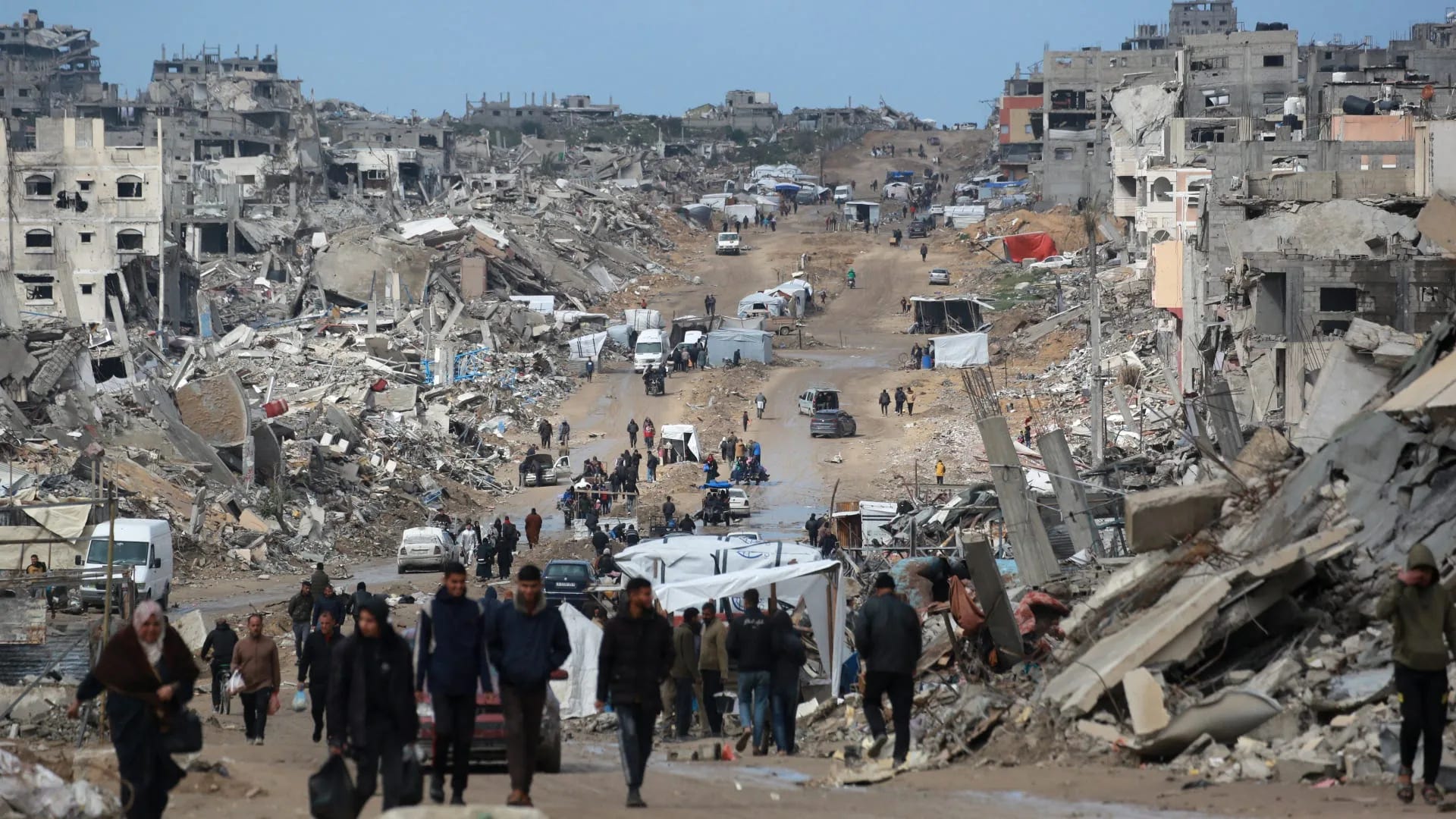
On February 2, 2026, Israel’s Army Radio revealed that military leaders are considering adopting what they call the “Lebanese model” for Gaza carrying out ongoing airstrikes in the Strip despite an existing ceasefire agreement.
This comes in spite of U.S. President Donald Trump’s announcement in mid-January that Phase Two of the agreement had begun, a phase which explicitly includes a full cessation of hostilities.
What Is the “Lebanese Model”?
This approach avoids launching a full-scale ground invasion and instead relies on sustained aerial bombardment under the pretext of “thwarting the growing capabilities” of resistance forces. It mirrors Israel’s policy in Lebanon under the current ceasefire understandings with Hezbollah.
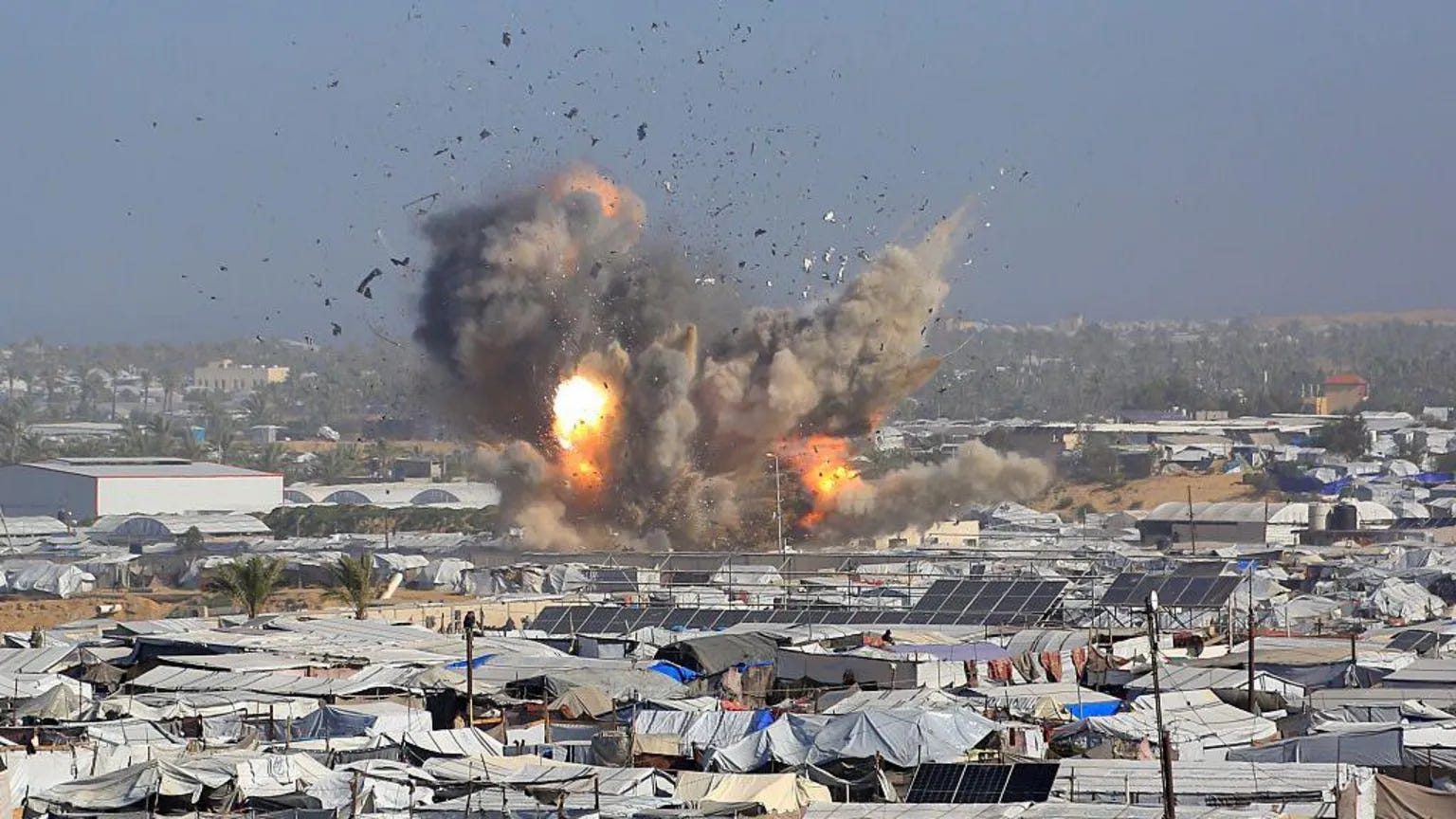
In essence, Israeli military leadership believes it can continue bombing Gaza at will without officially violating the truce just as it does in Lebanon. The justification: preventing Hamas from rebuilding its military infrastructure.
The strategy draws from Israel’s experience in Lebanon, where its airstrikes have not ceased despite a ceasefire agreement with Hezbollah reached in late 2024. Since then, the Israeli military has escalated daily air raids in southern Lebanon and the Bekaa Valley.
While Israel claims to be targeting Hezbollah infrastructure, civilians have frequently been caught in the crossfire. In a recent strike on the village of Kfour, for example, two civilians were killed including a schoolteacher. Meanwhile, Tel Aviv continues to occupy five Lebanese hills captured during its last war, as well as other territories it has held for decades.
The result is what amounts to a one-sided ceasefire in Lebanon: Israel carries out near-daily strikes with impunity, and Hezbollah, weakened by the 2024 war, largely refrains from responding. This model described in Israeli circles as a “functional ceasefire” is now being eyed for implementation in Gaza.
Army Radio described the plan airstrikes “whenever necessary” as a contingency blueprint, in case the military receives a green light to resume full-scale operations in Gaza.
According to senior Israeli officials quoted by the outlet, “Within a few weeks, we can regain full control of Gaza. This time, the operation will be faster and more forceful, since there are no longer constraints like the presence of hostages.”
Despite the Palestinian resistance’s freeze on military activity since the truce, Israeli attacks on civilians continue unabated.
Systematic Violations Under “Truce”
The “Lebanese model” has already been put into practice in Gaza since the ceasefire went into effect on October 10, 2025. Though the war was officially declared over, Israeli violations including airstrikes, shootings, and limited incursions have continued daily.
An infographic from Gaza’s Government Media Office documents the extent of Israeli ceasefire breaches over 111 days, up to the end of January 2026. The numbers are grim: most casualties occurred far from known frontlines, in residential neighborhoods supposedly safe from harm.
Israel’s violations aren’t limited to the military dimension. During the ceasefire’s first phase, it allowed just 28,927 aid trucks to enter Gaza out of the 66,600 agreed upon, or about 43%. This left the Strip under suffocating siege conditions with severe shortages of food, fuel, and medicine.
Border crossings remain largely shut, and the entry of mobile homes and shelter materials is still banned. As a result, hundreds of thousands of displaced people continue to live in tents. Meanwhile, the Israeli military has launched arrest campaigns inside Gaza, detaining 50 Palestinians from areas far removed from any combat zones.
For Gazans, the ceasefire has amounted to little more than a fragile facade. While fighting has officially stopped, daily bombardments, hunger, and siege tactics persist.
A Bloody January
In recent weeks, Israeli violations have escalated dramatically. On January 31, 2026, the Strip witnessed one of the deadliest nights in recent memory.
At dawn, Israeli fighter jets bombed a temporary refugee camp in the Asdaa area of Khan Younis, killing seven members of a single family a man, his three children, and three young grandchildren while they slept in a tent.
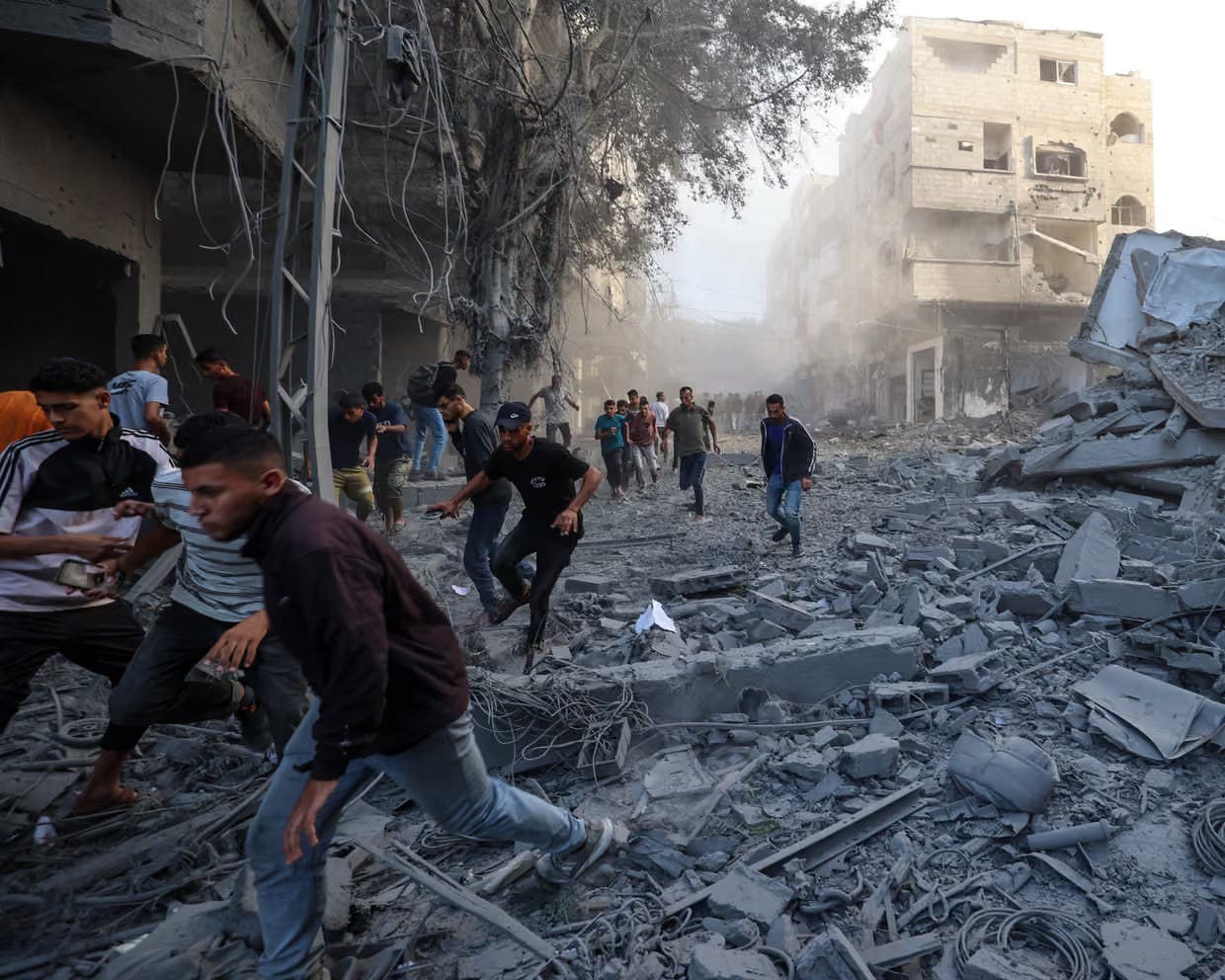
That same day, an Israeli strike on a crowded apartment in Gaza City’s Al-Rimal neighborhood killed five Palestinians, including two women and three children. Another strike leveled the Sheikh Radwan police station in northern Gaza, leaving at least 13 dead and dozens injured.
In total, the night’s death toll reached 31, including six children and three women all in just 24 hours sending shockwaves through Gaza and intensifying calls for international intervention.
Ceasefire on the Brink
Each time Israel intensifies its attacks, it claims to be responding to violations by Palestinian resistance groups. Hamas has categorically denied these accusations, calling them “false pretenses and lies” used to justify continued aggression.
The movement maintains that Israel has been systematically violating the agreement by committing daily crimes against civilians, most of them in supposedly safe areas.
Eyewitness accounts and independent reports support this claim. Ambulance and civil defense crews routinely document indiscriminate strikes on homes and shelters, with no sign of fighters present.
Israel’s narrative about “responding” to Hamas violations thus appears to be little more than a public relations cover for its new strategy. In practice, the ceasefire is being repeatedly breached by one side: the Israeli military.
This raises a crucial question: Will the Lebanese model take root in Gaza, or will it lead to the collapse of the ceasefire?
So far, both sides have refrained from officially declaring the truce dead. According to Yedioth Ahronoth, Hamas and other factions have abided strictly by the ceasefire despite the mounting casualties. Meanwhile, Israel continues its aerial assaults and daily violations. Yet this fragile balance may not last.
Israeli officials themselves admit the situation amounts to a “tenuous ceasefire.” The ongoing civilian toll is placing immense pressure on Hamas, creating a dangerous equation. The movement has warned that its patience is not limitless and that the sustained Israeli violations threaten to unravel the deal entirely.
Hamas leader in Gaza, Khalil al-Hayya, has held urgent talks with regional and international mediators, delivering a clear message: “The guarantors must rein in the Israeli occupation immediately, or the situation could spiral out of control.”
Palestinian factions collectively hold Israel fully responsible for any breakdown of the truce, warning that continued bloodshed could provoke a broader and more intense return to armed confrontation.
Even within Tel Aviv, doubts are growing about the sustainability of this approach. Some analysts caution that Gaza is far more complex than Lebanon, and that transplanting the “Lebanese model” could prove disastrous. Despite the sustained strikes, Hamas still retains underground military capabilities.
In recent days, Israel has ramped up its rhetoric and announced emergency plans for a potential return to full-scale war should diplomatic efforts to demilitarize Hamas fail.
According to Yedioth Ahronoth, these plans include a lightning ground assault “more brutal than previous ones,” followed by forced evacuations, systematic clearing of weapons and tunnels, and tightly controlled reentry of residents through inspection checkpoints.
While the “Lebanese model” may offer Israeli leaders a short-term illusion of control, it risks imperiling the ceasefire’s future. If the bombings persist, Hamas may feel compelled to revise the rules of engagement raising the specter of renewed and potentially wider conflict.