

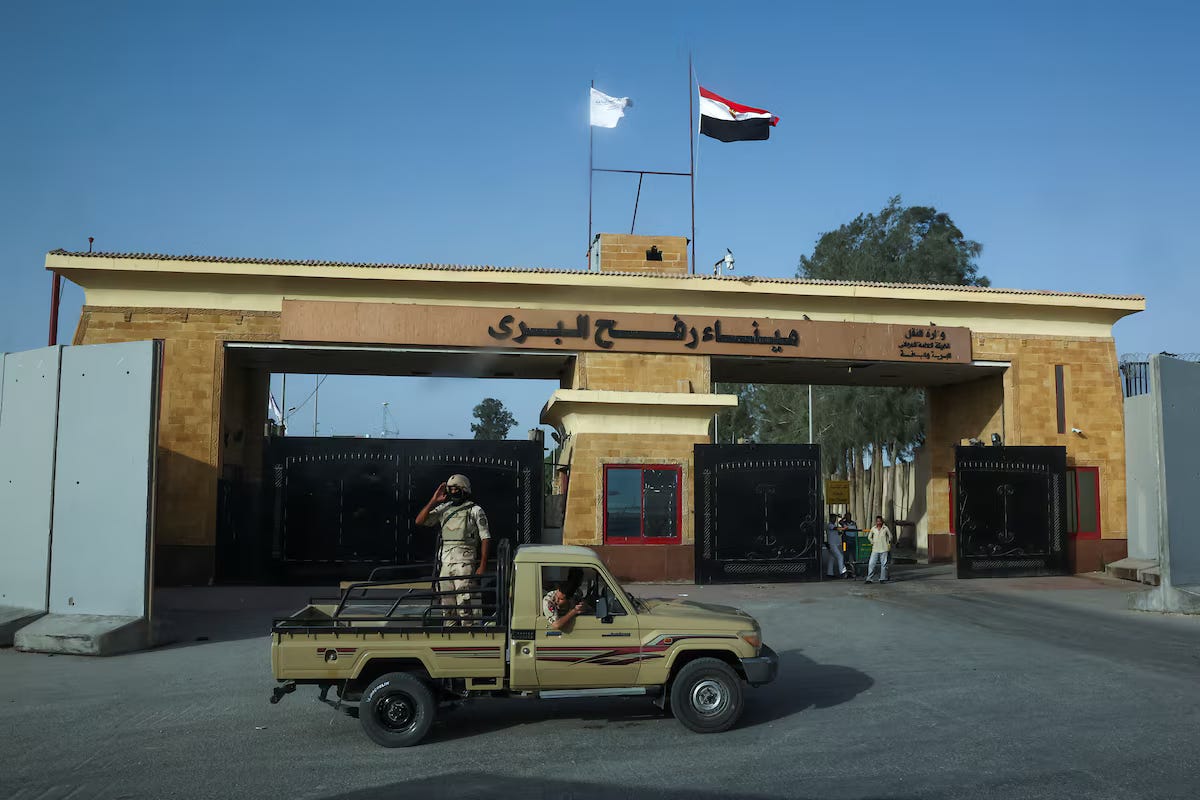
In the besieged Gaza Strip, the Rafah border crossing has become a lifeline for thousands stranded since its closure and disruption more than two years ago. Hopes are rising once again for its reopening as the second phase of the ceasefire agreement begins.
For years, the crossing served as Gaza’s only gateway to the outside world, free from Israeli control. But that changed when Israeli forces stormed the city of Rafah in southern Gaza in May 2024, seized control of the crossing, and shut it down entirely.
Since then, nearly 2.4 million Palestinians have effectively found themselves in an open-air prison with no exit. As many await the moment the gates are reopened, pressing questions loom: Who will be allowed to leave first, and under what conditions? Especially as Israel imposes restrictive terms that have turned Rafah from a lifeline into a tool of political blackmail.
Those Most in Need of Travel
1. The Sick and Wounded
At the top of the waiting list are the sick and wounded, many of whom cannot be treated in Gaza’s crippled hospitals. Israel’s onslaught left tens of thousands injured, including critical cases beyond the capacity of local healthcare.
In January 2026, Ismail Al-Thawabta, head of the Government Media Office in Gaza, stated that around 22,000 patients and injured people are in urgent need of leaving Gaza for medical treatment and surgeries that are impossible to perform locally.
He added that over half a million surgeries are still needed within Gaza, far exceeding the health system’s ability to cope. Despite limited evacuation efforts, more than 900 patients have died while on waiting lists, denied the chance to travel for life-saving care.
According to Médecins Sans Frontières (Doctors Without Borders), since the crossing closed in May 2024, the number of patients able to leave Gaza has plummeted from roughly 1,500 a month to just 70 on average due to Israeli restrictions.
The organization says current evacuations are “a drop in the ocean” compared to actual needs and has urged countries to open their doors to tens of thousands of Gazans waiting for relief.
Randa Sameeh, 48, an injured woman in Gaza, described the crossing as “the lifeline of the Strip,” but fears she won’t be allowed to travel because her injuries aren’t classified as among the most critical.
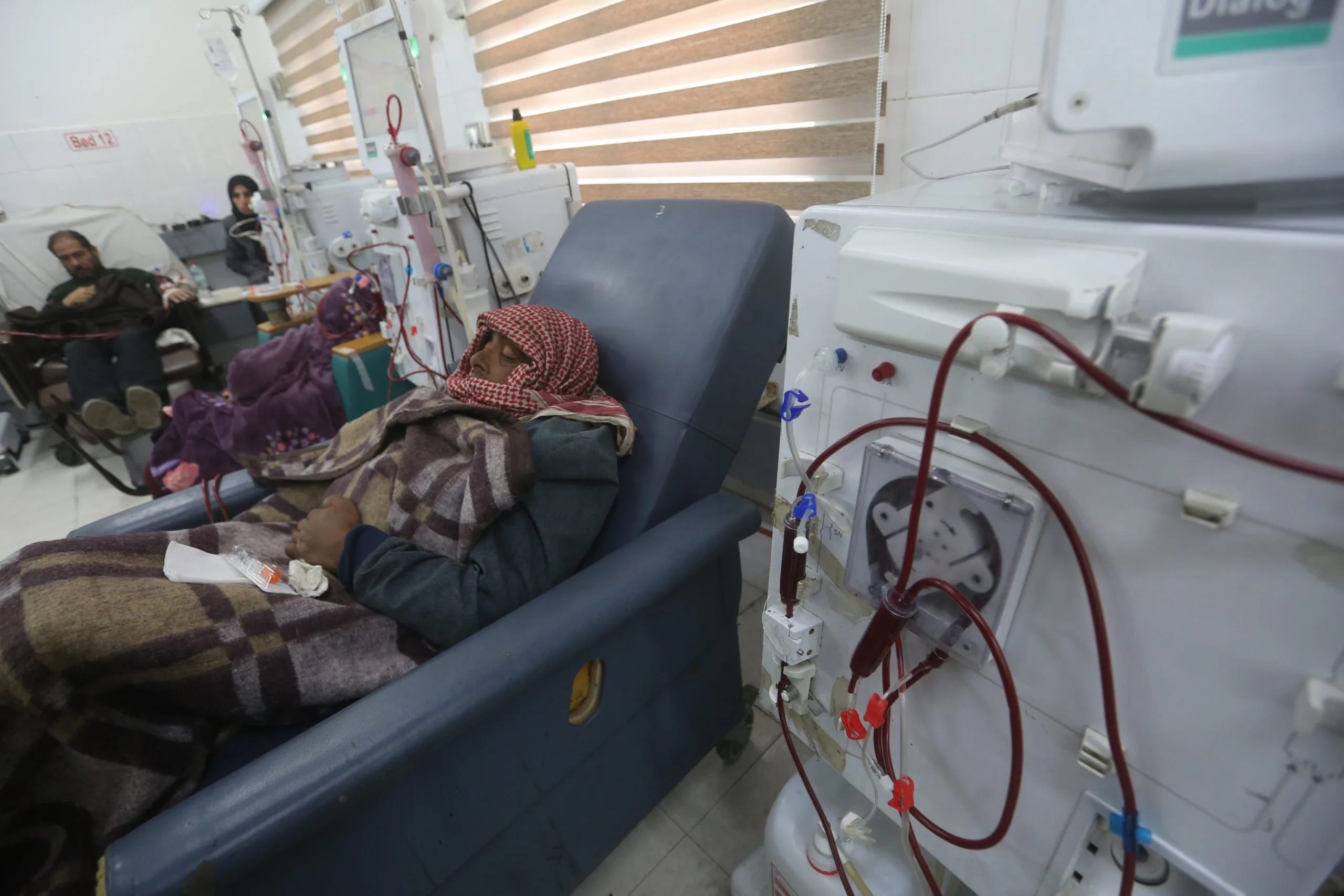
“There are tens of thousands of wounded in Gaza, and most of them are worse off than I am,” she said. “We’ll die, or our health will deteriorate before it’s our turn to leave.” Her words reflect the grim reality of thousands racing against time to cross before it’s too late.
With Gaza’s healthcare system on the brink of collapse, international medical aid and evacuation through Rafah are now a matter of life and death.
2. Students and the Stranded
Alongside medical cases, students are desperately awaiting their turn to cross Rafah. The shutdown has deprived hundreds of young people of the chance to attend universities abroad or return to their studies after receiving scholarships and academic opportunities.
Many have had their travel procedures and visas disrupted, unable to complete interviews or biometric screenings outside Gaza.
The “Palestinian Students and Scholars at Risk” (PSSAR) network reports that at least 134 graduate students from Gaza have been accepted at universities in Canada alone but are stuck awaiting visa processing and the reopening of the crossing.
They remain in limbo, unable to fulfill even basic bureaucratic steps like biometric enrollment unless they leave Gaza something that has been impossible since Rafah’s total closure.
In addition to the ill and students, thousands of Palestinians stranded outside Gaza are waiting to return home. According to the Palestinian Embassy in Cairo, approximately 30,000 Palestinians have registered with the embassy, hoping to return once the crossing reopens.
Many had left for treatment, education, or were legal residents abroad now left scattered and separated from their families.
Waiting lists also include dual nationals and Gazans with foreign or Egyptian citizenships, who are prioritized for departure under ceasefire agreements. The initial reopening phase will allow the exit of medical cases, students, and individuals with foreign nationalities or residencies.
Palestinian sources confirm that hundreds of dual nationals have already been listed for departure and submitted to Egyptian authorities for processing. For them, Rafah’s reopening could finally end an ordeal and reunite families separated by closed borders.
Reopening Mechanism and Departure Priorities
On January 22, Ali Shata, head of the US-backed interim national administration in Gaza, announced that the Rafah crossing would reopen in both directions the following week. Israeli Prime Minister Benjamin Netanyahu confirmed the crossing would soon resume operations as the ceasefire’s second phase commenced.
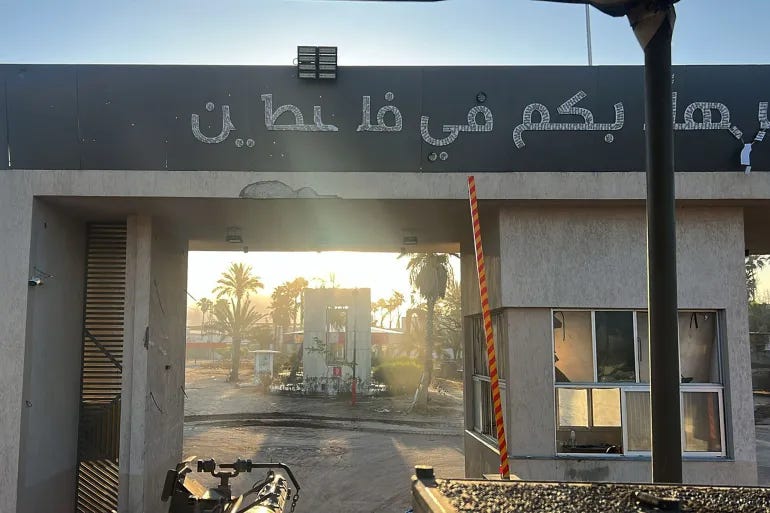
Despite the cautious optimism, the conditions for reopening are highly restrictive. According to Israeli statements, only a few dozen people will be allowed to cross each day initially, and the crossing will be limited to individuals—not goods—until further notice.
The Associated Press cited an Israeli official who said around 50 Palestinians would be allowed to exit, and 50 to re-enter daily. Other sources suggested 150 departures compared to just 50 returns.
Even at this rate, evacuating all urgent medical cases could take over a year. Based on previous evacuations, priority is expected to go to children, cancer patients, and those with severe injuries, with two family members allowed to accompany each case.
Preparations are already underway in Gaza for the departure of the first group of medical cases. On the Egyptian side, authorities say they are fully prepared to respond once the crossing reopens. North Sinai Governor Major General Khaled Shousha confirmed that the Egyptian side of Rafah is “100% ready to receive aid and wounded Palestinians.”
Speaking to Egyptian TV, Shousha said a crisis management center has been activated to coordinate all possible scenarios in tandem with operations rooms in Arish, Cairo, and other relevant state bodies.
Travel coordination post-reopening will differ from the past. Under the new plan, Gaza’s National Administration Committee—led by Ali Shata—will prepare daily lists of eligible travelers and send them to the Egyptian side.
Egypt will then forward the names to Israeli authorities for security clearance. Israeli officials have made it clear that no one will be allowed in or out without undergoing full security checks in advance.
Netanyahu was explicit: “Everyone who enters or exits will undergo our full inspection.” According to the plan, no Israeli troops will be physically present at the Egyptian terminal, but EU observers and Palestinian Authority staff will oversee on-the-ground crossing procedures reminiscent of the 2005 arrangements.
PA officials (in civilian attire) will stamp passports, while Israel monitors everything remotely via surveillance and communications systems.
Moreover, Israel retains control over the buffer zone between Rafah and the rest of Gaza, overseeing the transport of buses to and from the terminal to maintain tight security.
So while the crossing is officially under joint Palestinian-Egyptian administration, Israel effectively holds the keys to the gate by controlling who may enter or leave.
Israel’s Use of Rafah as a Tool of Coercion
The reopening of Rafah was a key component of the first phase of the ceasefire plan that came into effect in October 2025.
But the crossing remained closed due to what many describe as Israeli blackmail tying its reopening to unrelated demands, such as the release of all Israeli captives and the recovery of missing soldiers’ remains.
Following the discovery of the body of Ronny Geva’i, the last missing Israeli captive, on January 26, 2026, Israel announced that the crossing would reopen “within days.”
The conditions surrounding Rafah’s reopening have sparked widespread criticism, with many seeing them as political extortion that undermines the humanitarian essence of the truce.
Qatar’s Foreign Ministry accused Israel of “political blackmail” by weaponizing humanitarian aid in the Rafah negotiations.
Doha emphasized that it was working with mediators to ensure the second phase of the truce proceeds without any trade-off involving humanitarian aid, stressing: “We demanded that aid not be used as a political bargaining chip.”
These remarks came as Tel Aviv delayed Rafah’s reopening pending the recovery of the last captive’s body effectively stalling aid delivery during the truce’s first phase, despite its inclusion in the agreement.
Humanitarian organizations see the continued Israeli obstruction as a blatant violation of the truce terms. According to aid groups, Israeli restrictions have hindered relief convoys via Rafah for weeks, exacerbating Gaza’s humanitarian catastrophe.
Critics also fear that Israel is leveraging the crossing to pursue goals far beyond humanitarian concerns. During the war, Netanyahu’s government floated a plan to open Rafah in one direction only to facilitate civilian exit from Gaza to Egypt. This was condemned by Cairo and other capitals as a ploy to “empty” Gaza of its population.
Even with the current two-way opening plan, Reuters reported that Israel aims to restrict the number of Palestinians returning to Gaza through Rafah ensuring more departures than returns. In effect, Israel appears to be using the crossing to encourage forced migration and prevent the repatriation of Palestinians abroad.
Between cautious hope and the risk of renewed setbacks, Gazans await the coming days with apprehension as talk of Rafah reopening early February begins to gain traction.