

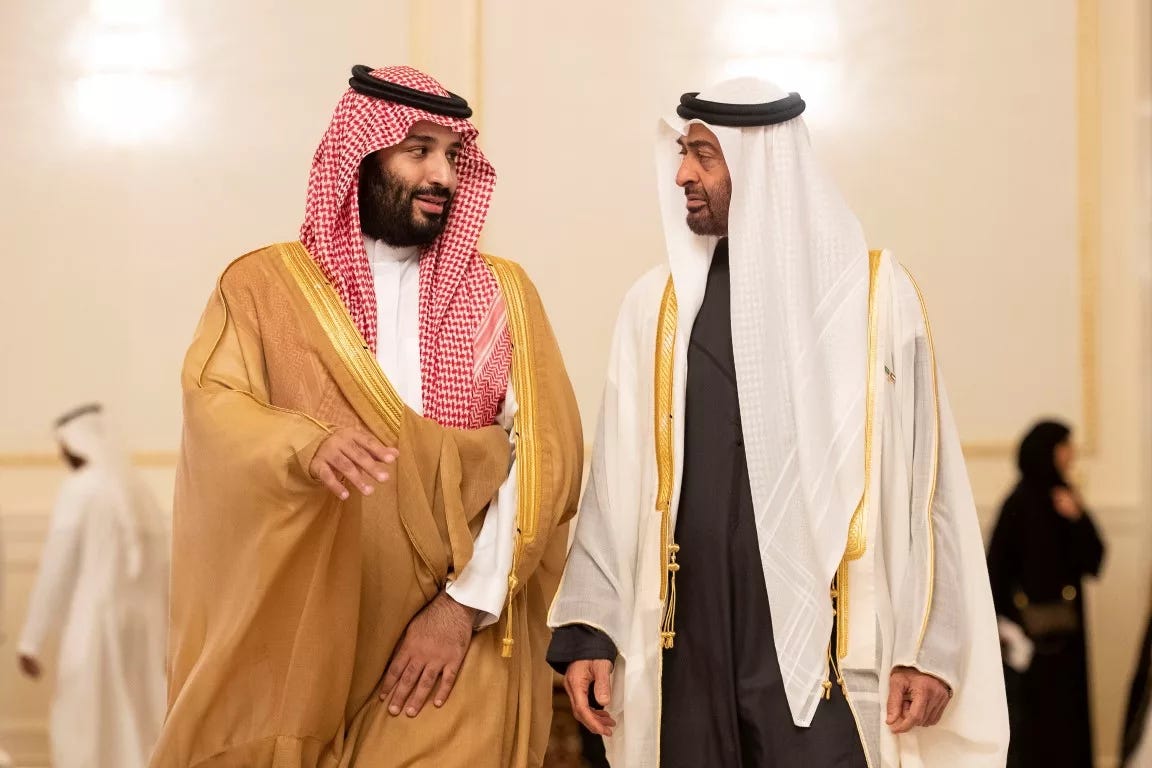
In late 2025, Yemen’s largest and most oil-rich province, Hadramawt, erupted in armed clashes between the UAE-backed separatist Southern Transitional Council (STC) and a tribal alliance supported by Saudi Arabia, along with units of the Yemeni army.
Within days, STC militias swept through Wadi Hadramawt in eastern Yemen, raising the flag of the former South Yemen in major cities along the Arabian Sea. In response, Riyadh dispatched a high-level military delegation in an attempt to de-escalate the situation.
Behind the clashes lies a broader competition between the UAE and Saudi Arabia for influence and access to resources in Yemen a rivalry that extends beyond Hadramawt but becomes especially acute there due to the province’s oil reserves, strategic ports, and expansive borders.
So, who are the key local actors, what do the Gulf powers want from Hadramawt, and why is this province so geopolitically significant?
Timeline of Events
In late November 2025, forces from the “Hadramawt Tribal Alliance” seized control of an oil field and surrounding territory near the PetroMasila facility, halting production to demand a greater share of oil revenues.
The Southern Transitional Council seized on this move to accuse the region of becoming a hub for arms smuggling and illicit oil revenue transfers, which it claimed undermined southern interests.
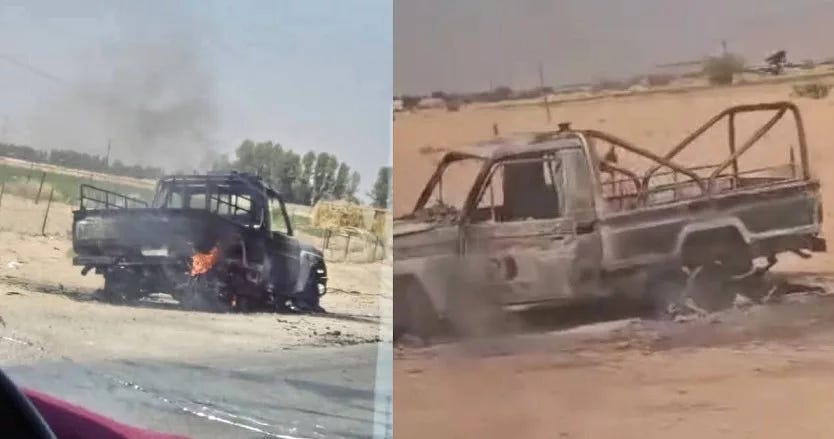
In early December, the STC launched a military offensive dubbed “Promising Future,” during which its forces took over large parts of Wadi Hadramawt, most notably the city of Sayun home to one of Yemen’s most important international airports.
The Hadrami Elite Forces, affiliated with the STC, advanced swiftly, taking several towns and raising the southern flag over the presidential palace in Sayun, declaring the “liberation of Wadi Hadramawt.”
The Tribal Alliance resisted the assault, claiming to protect the province from “foreign militias,” but remained largely stationed in its territories.
At the onset of the operation, Yemen’s Ministry of Defense and government forces issued no immediate military response, enabling the STC to gain ground, though clashes did result in 10 deaths on both sides.
Saudi Arabia sent a military delegation to the provincial capital, Mukalla, affirming that Hadramawt’s security was a strategic priority and calling for the withdrawal of STC forces and the restoration of state authority.
On December 3, a local ceasefire agreement was announced, promising the resumption of oil exports and a halt to military and media escalation. However, fighting resumed the next day, with both sides accusing each other of breaking the truce.
The Warring Yemeni Parties and Their Backers
Southern Transitional Council (STC)
Formed in 2017 with Emirati backing, the STC seeks the secession of South Yemen and a return to the pre-unification status quo of May 22, 1990, citing grievances of marginalization and exclusion.
The STC controls the southern port city of Aden and large swathes of the southern coast. Its military wings include the Security Belt Forces and both the Shabwani and Hadrami Elite Forces, all trained and funded by the UAE.
Hadramawt Tribal Alliance
Established in 2013, this alliance calls for autonomous rule for Hadramawt and is composed exclusively of local tribal leaders, independent of both the STC and the central government. It is led by Sheikh Amr bin Habrish and seeks to empower Hadramis in managing their own resources and governance.
Since 2020, some of its units have integrated into the Saudi-backed government forces under the name “Hadramawt Protection Forces,” receiving financial and military support from Riyadh. Saudi Arabia views them as a bulwark against both the Houthis and Emirati expansionism.
Yemeni Government’s Position
Following renewed clashes, Presidential Leadership Council head Rashad al-Alimi departed the interim capital, Aden, for Saudi Arabia to consult with regional and international stakeholders.
In a statement, al-Alimi reiterated that the state alone is responsible for protecting national institutions and safeguarding citizens’ interests, rejecting any unilateral actions that challenge the government’s exclusive authority. He emphasized that the main battle remains against the Houthis.
Nevertheless, the government appeared powerless as the STC seized control of the Wadi, issuing no strong military response. Caught between two Gulf allies and their respective local partners, the government is attempting to maintain a fragile balance but lacks real influence on the ground, often resorting to mediation.
The Geopolitical Significance of Hadramawt
Strategic Location
Covering nearly a third of Yemen’s territory, Hadramawt includes desert routes that connect the east to the south, making it a vital corridor for both smuggling and commerce. Controlling it grants significant influence over the southern Arabian Peninsula.
Ports and Borders
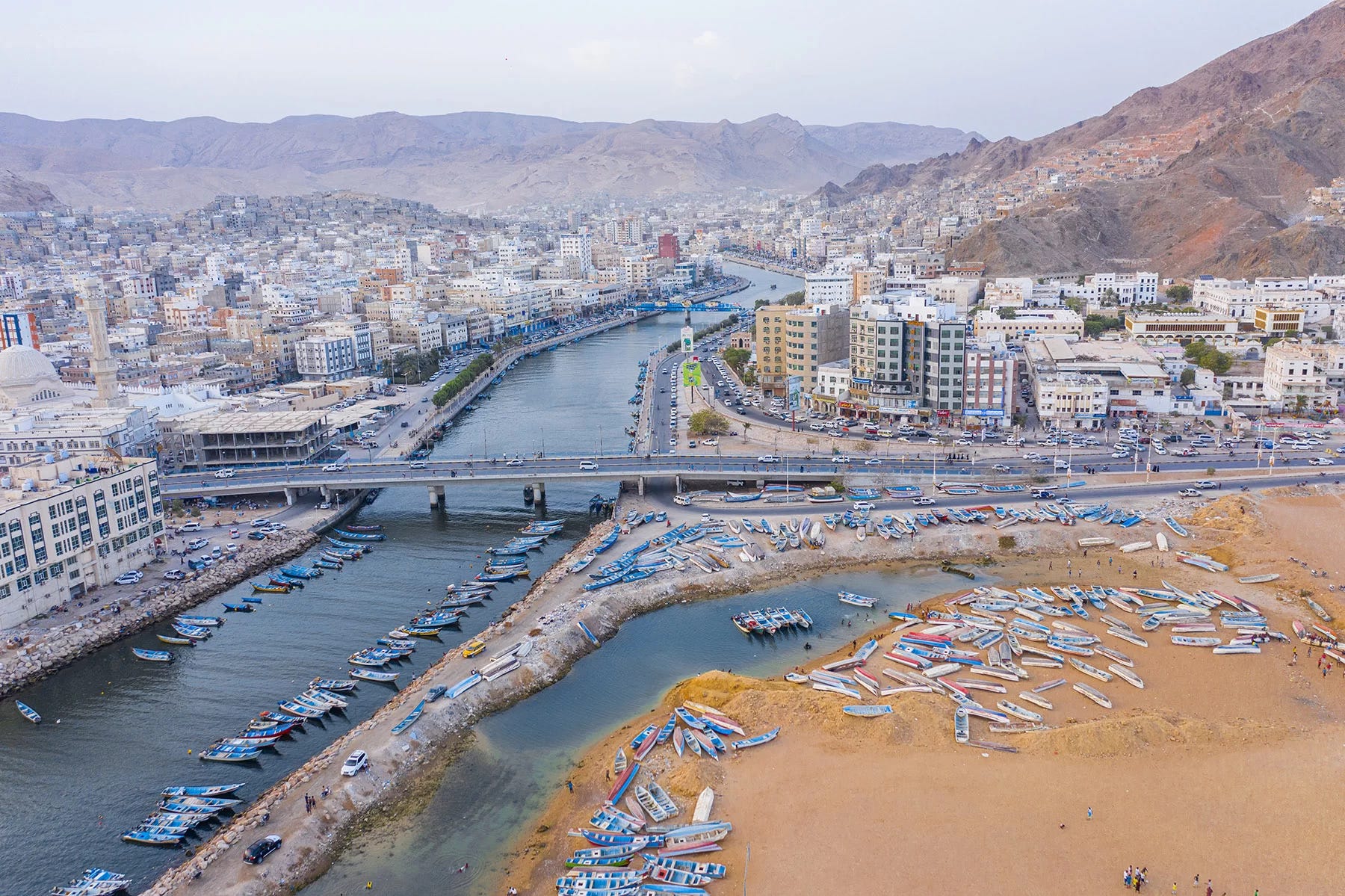
Hadramawt is home to the port of Mukalla on the Arabian Sea and boasts a 450-kilometer coastline. It also includes key border crossings: al-Wadiah with Saudi Arabia and Sarfait with Oman making it a commercial gateway and major transit point.
Oil and Gas Reserves
Hadramawt holds between 80–90% of Yemen’s proven oil and gas reserves. The PetroMasila and Masila fields are among the largest in the country, and control over them is a crucial source of revenue for any authority.
GDP Contribution
The province contributes approximately 16.3% to Yemen’s gross domestic product.
Cultural Identity
Hadramawt possesses a distinct identity within Yemen, with a predominantly Sunni population and a tribal structure that differs from the north. This makes it a prime target for regional powers seeking to empower loyal local actors as part of broader influence campaigns.
What Do Saudi Arabia and the UAE Want from Hadramawt?
Saudi Arabia
Riyadh sees Hadramawt as a defensive buffer, shielding its southern border from arms and drug smuggling. It also has strategic interests in safeguarding the planned oil pipeline through al-Mahra province that would connect Saudi oil fields directly to the Arabian Sea.
Saudi Arabia fears growing Emirati influence in the region, which could redraw Yemen’s internal map. To counter this, Riyadh backs the Hadramawt Protection Forces as a locally rooted stabilizing force aligned with its vision of a united Yemen, and to prevent either the Houthis or the STC from gaining control of the Wadi.
United Arab Emirates
Abu Dhabi aims to tighten its grip on southern ports Aden, Mukalla, and Bir Ali and adjacent coastal regions along the Arabian Sea.
The UAE has invested heavily in Mukalla port and transportation infrastructure in the region and views Hadramawt as the “grand prize,” given its vast oil reserves. Capturing the province is key to facilitating southern secession.
Tensions between the UAE and Saudi Arabia have been mounting since 2019, when the STC, with Emirati backing, staged a coup against the government in Aden.
Conflict Outlook: Possible Scenarios
Continued Expansion
If the STC consolidates its control over Wadi Hadramawt with Emirati backing, it may push further into al-Mahra or parts of Marib. This could deepen Yemen’s fragmentation splitting it between a Houthi-controlled north and an Emirati-backed south/east and exacerbate Riyadh-Abu Dhabi tensions.
Temporary Settlement
Saudi mediation may lead to a partial STC withdrawal in exchange for granting the tribal alliance a greater role in managing oil revenues and integrating the Hadrami Elite Forces into state structures.
Internal Explosion
If oil operations face repeated disruption or mutual media campaigns escalate, Hadramawt could spiral into open war potentially prompting direct military intervention by either Gulf state or driving tribes to seek new alliances.
Wider War Implications
The ongoing Saudi–UAE rift undermines efforts to reach a comprehensive peace with the Houthis. The latter could exploit the disarray among their adversaries to expand into regions like Shabwa or Abyan.