

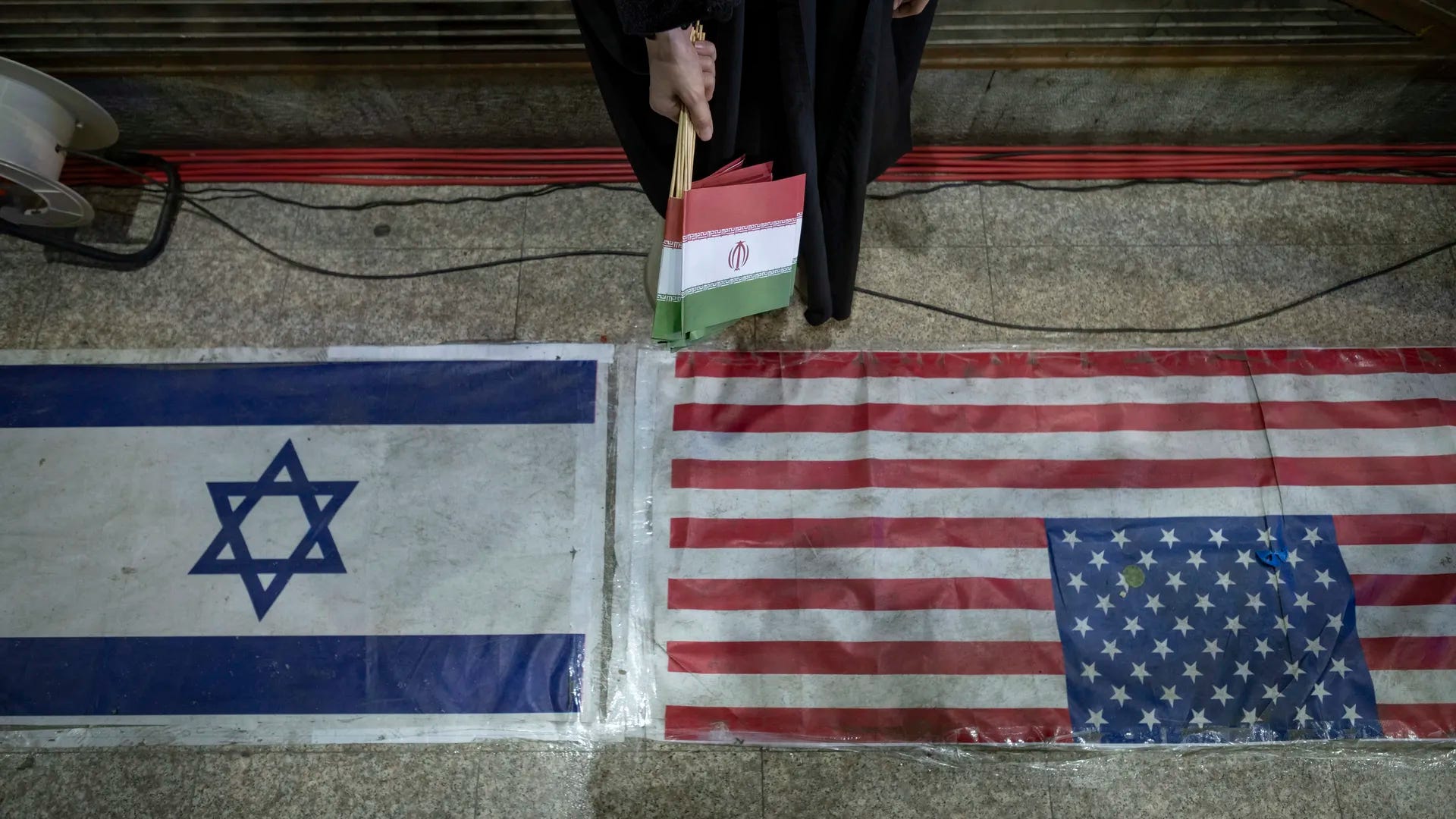
In late December 2025, widespread protests erupted across several Iranian cities amid a deepening economic collapse and a steep decline in the national currency. But what drew the most attention wasn’t just the scale of the unrest it was the speed and openness of Israel’s incitement and intervention.
As calls grew louder in Tel Aviv and Washington to reconsider military options in confronting Iran’s nuclear program, the Israeli government took a striking step: urging Iranian protesters demanding regime change and economic relief to escalate their actions.
This prompted a pressing question to reemerge: Is Tel Aviv now betting on the Iranian street as a faster route to toppling the regime or at least softening it for a future strike after years of pressure and covert operations failed to shift the balance of power in Tehran?
Israel’s Methods of Incitement
1. A Message from Mossad
In an unprecedented move, Israel’s Mossad intelligence agency launched a direct incitement campaign through its official Farsi-language platform, encouraging Iranians to continue their uprising.
On December 29, 2025, the account posted a message urging demonstrators to escalate their movement against the regime, claiming support “not just from afar and in words, but on the ground with you as well.”
Israel’s Army Radio reported that the extraordinary statement implied Mossad operatives may be embedded among protesters inside Iran.
2. Official Statements
Israel’s incitement wasn’t limited to its intelligence apparatus. Current and former officials also took to social media to encourage Iranians to intensify their revolt.
Amichai Chikli, Israel’s Minister for Diaspora Affairs, addressed Supreme Leader Ayatollah Ali Khamenei in a Farsi-language post, declaring, “Your era has come to an end.” He then turned to the Iranian people: “Brave sons and daughters of Iran, seize this moment. We stand with you.”
Former Prime Minister Naftali Bennett released a video urging Iranians to “rise up” against the regime and promised them “a brighter future if they break free from the mullahs’ rule.” He added, “All the nations of the free world stand with you in your just struggle.”
Israel’s ambassador to the United Nations, Danny Danon, tweeted: “To the Iranian people protesting peacefully despite being denied their most basic rights we hear you. We stand with you against the murderous regime that funnels billions into terrorism and nuclear ambitions.”
These statements are part of a clear and public Israeli strategy that seeks to leverage Iranian protests to achieve what its military machine has so far failed to accomplish regime change.
3. Backing the Opposition
Israel’s support extended even further to endorsing alternative political figures. Science and Technology Minister Gila Gamliel posted a photo of herself wearing a cap emblazoned with the slogan, “Make Iran Great Again,” a clear nod to former US President Donald Trump’s campaign slogan.
She tagged Reza Pahlavi, son of Iran’s last Shah, and captioned the image “Soon,” signaling her hope for the regime’s fall or the return of the monarchy.
In September, Gamliel had publicly declared in an interview that “Israel supports Prince Reza Pahlavi as an alternative” and that he “enjoys the trust of sectors of the Iranian people” the first time an Israeli minister had openly backed opposition efforts abroad to overthrow the Islamic Republic.
Two Parallel Tracks
Israel is now pursuing a dual strategy: military confrontation and internal regime destabilization especially after its 12-day confrontation with Iran in June 2025.
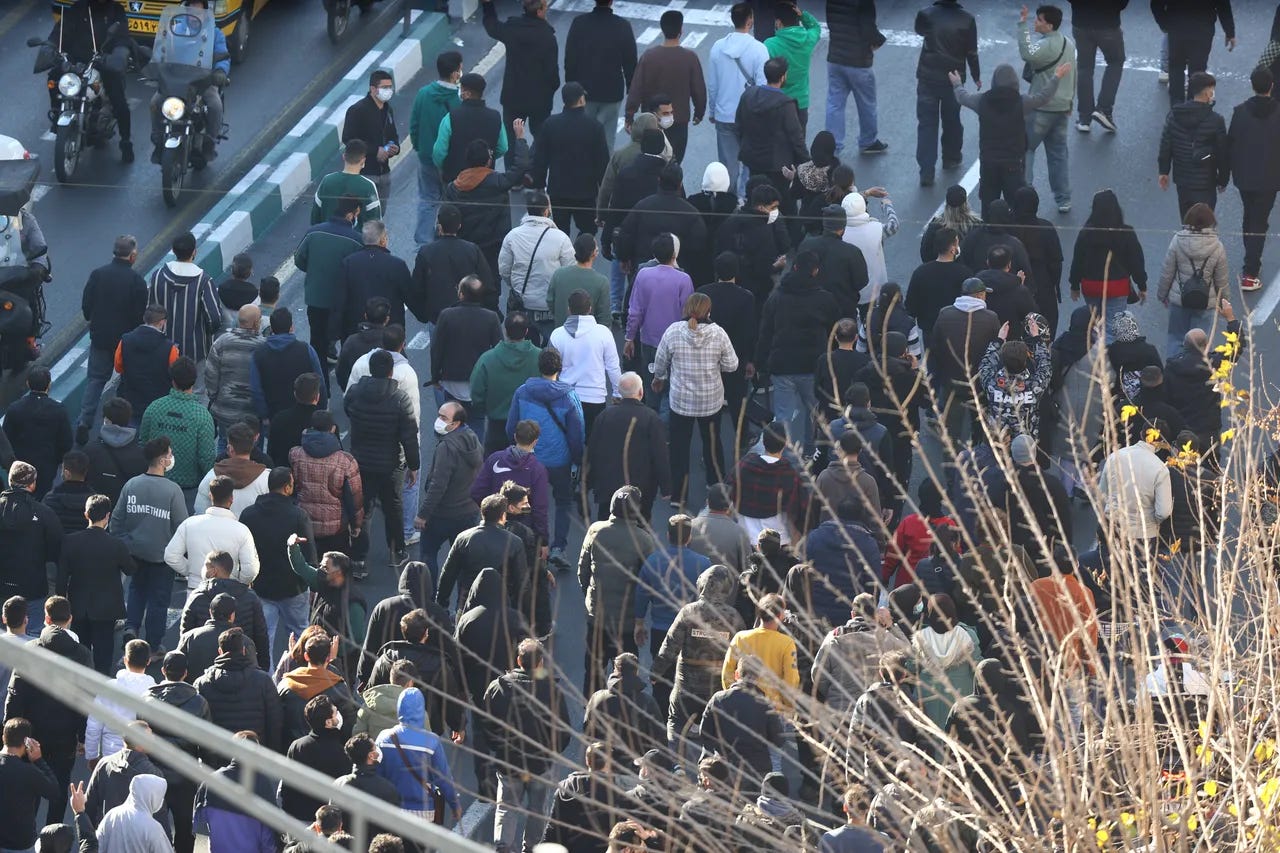
Despite the heavy damage inflicted on Iranian infrastructure by intense Israeli airstrikes targeting nuclear sites, the regime did not fall. On the contrary, Tehran claimed that even domestic dissidents had rallied behind the state in the face of Israeli aggression.
Military analysts in Tel Aviv concluded that while airstrikes could cause significant damage, they alone are not sufficient to topple the regime. Instead, they serve to limit Iran’s capabilities and raise the cost of its survival a realization that has driven increased focus on supporting a homegrown uprising.
“Israel sees regime change in Iran as a strategic option,” said Yaki Dayan, Israel’s former consul in Los Angeles. “Otherwise, we risk being locked in an endless cycle of military confrontation.”
This shift in Israeli thinking explains the boldness of its public gestures of support for Iranian protesters — in the hope that domestic pressure might achieve what bombs and missiles could not.
But even as Israel wagers on internal unrest, the military option has returned to the table. In the final week of December 2025, Prime Minister Benjamin Netanyahu met with Donald Trump to discuss Iran and possible strategies for dealing with it.
Following their meeting, Trump warned Tehran of “new and harsh strikes” if it resumed nuclear or missile development. Israeli Chief of Staff Lt. Gen. Herzi Halevi also declared that Israeli forces would “strike enemies wherever necessary, near or far” — a clear reference to Iran.
American officials, too, voiced their support for the Iranian people’s aspirations for freedom. US Ambassador to the UN Mike Waltz stated: “The Iranian people want freedom… and we stand with them as they protest against a radical regime that has only brought economic ruin and war.”
Even Trump, who has typically avoided openly advocating regime change, condemned what he described as Tehran’s “bloody crackdown on protesters,” saying Iranians “are being killed simply for demanding their rights.”
The coordinated stance between Washington and Tel Aviv signals a multifaceted pressure campaign on Tehran: political and media incitement to fuel protests, with the looming threat of military force if necessary.
Tehran Responds: “Foreign Enemies” Will Be Met With Force
Iran’s response to Israeli and American involvement in the protests has been stern and unequivocal.
From a legal standpoint, Tehran’s Prosecutor General Mohammad Mohebi Ajteh acknowledged that peaceful protests over deteriorating living conditions were legitimate. However, he warned against efforts to turn them into tools of “foreign subversion,” stating that any “external scenarios” aimed at exploiting the demonstrations would be met with a “firm and swift legal response.”
Militarily, Ali Shamkhani, advisor to Supreme Leader Khamenei, issued a statement in Hebrew vowing a preemptive response to any Israeli action. He emphasized the readiness of Iran’s missile and defense capabilities, warning that “any aggression will be met with a harsh, immediate, and unpredictable response” a direct reaction to threats from Trump and Netanyahu.
In the media arena, Tehran sought to use Israel’s incitement as proof of its long-standing narrative that protests are part of a foreign conspiracy. Senior Iranian officials dismissed Israeli statements as “foolish and a repetition of childish provocations.”
An Open-Ended Standoff
As the protests entered their fifth day and continued despite a heavy security presence, Iran now faces unprecedented domestic pressure this time fueled by overt foreign incitement and threats of military action over its nuclear program.
Israel’s explicit support for protesters along with rhetorical backing from Washington raises the stakes in the confrontation between Tehran and its traditional foes.
The regime understands that a sustained and growing wave of unrest could pose an existential threat, especially amid a crushing economic crisis and a currency in free fall.
On the other side, Israel is betting that a popular revolution could weaken or even collapse the clerical regime it sees as its most dangerous adversary.
While the Supreme Leader has sought to absorb the anger through promises of economic reform and dialogue, the developments suggest two divergent paths ahead:
Either Tehran successfully quells the uprising through political maneuvering and security crackdowns, bolstered by its narrative of Israeli interference or the protest movement gathers momentum, buoyed by foreign support, and pushes the system to the brink.
What is certain is that the coming weeks will be pivotal in testing whether Israel’s gamble on the Iranian street will pay off or whether Tehran’s iron grip can once again snuff out a fire that, this time, is being fanned from abroad.