

In recent months, Iraqi authorities have ramped up efforts to track down citizens involved in the war between Russia and Ukraine, after the issue gained public attention and fears mounted that recruitment networks could evolve into a cross-border phenomenon.
The case resurfaced after an Iraqi court handed down a life sentence to a citizen convicted of human trafficking for recruiting Iraqis to fight alongside Russia. Under Iraqi law, joining foreign armed forces without official approval is punishable by imprisonment.
But how did this phenomenon begin and why has it spread? What is its true scale amid conflicting figures? And how is Iraq confronting the issue through security and legal measures, as well as international cooperation to pursue networks and those involved?
A Worsening Trend and the Lure of Recruitment
Since 2024, reports have emerged of hundreds of young Iraqis heading to Ukraine’s frontlines as mercenaries a trend that has alarmed both the public and government officials. Observers attribute the phenomenon to the generous financial incentives offered by recruitment networks.
While Iraqis have previously taken part in foreign conflicts under what they claimed were ideological motivations such as pro-Iranian Iraqi factions fighting in Syria under the pretext of protecting religious shrines the war in Ukraine appears to be driven largely by economic motives and the pursuit of a better life.
Ukrainian Ambassador to Iraq, Ivan Dolhyanysh, emphasized that those recruited “are not fighting for a cause, but looking for a paid job,” pointing to the purely financial motivations behind some young Iraqis joining the war in Ukraine.
Recruiters have capitalized on the desperation of Iraq’s unemployed, portraying the war as a chance to earn high wages or even as a backdoor route to migration and settlement in Europe.
Recruitment Tactics and the Fate of Fighters
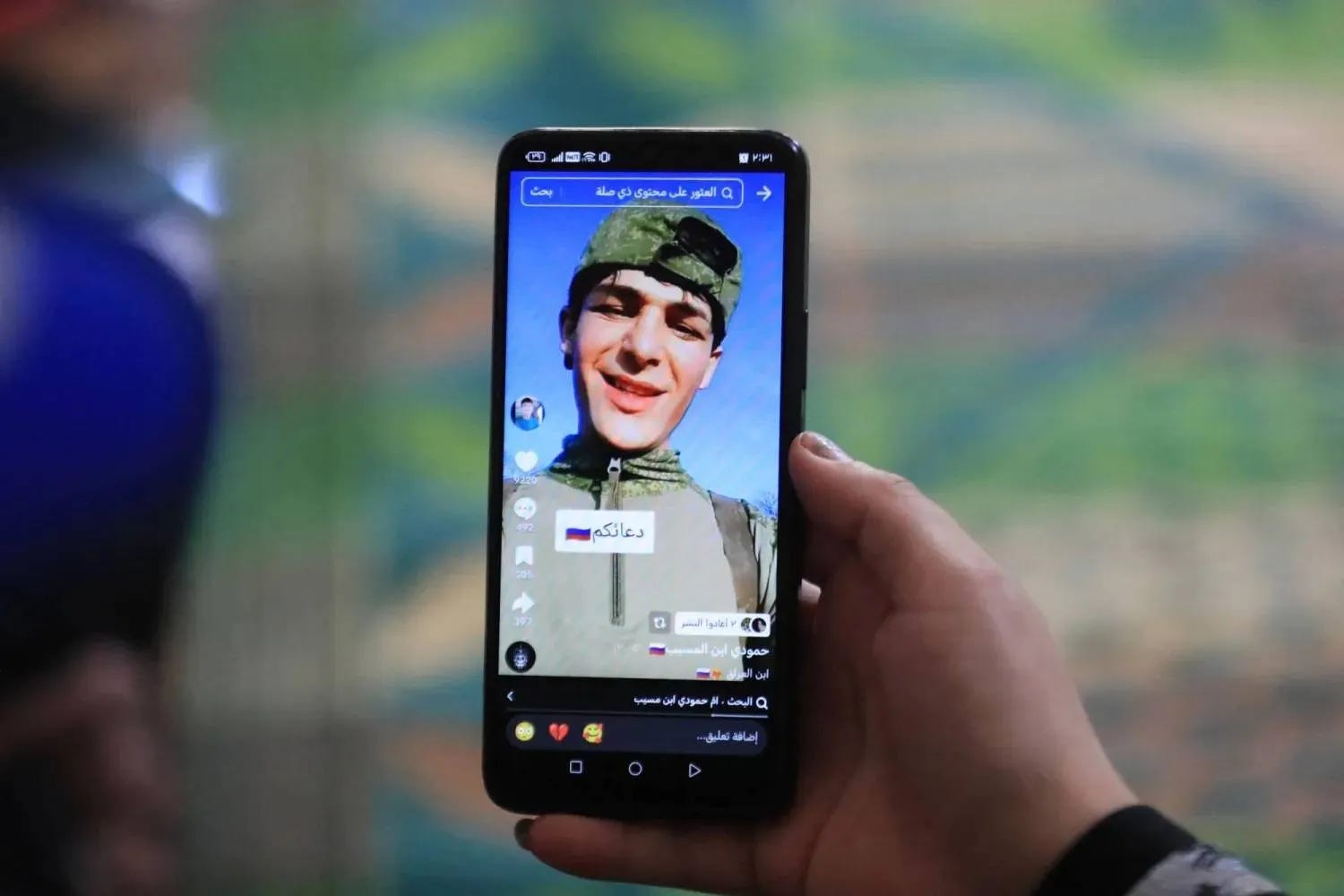
Recruitment networks have become active on social media platforms like TikTok and Telegram, targeting Iraqi youth with offers to serve as “soldiers” in the Russian army with salaries reaching up to $2,500 per month. Promises also include land grants and a potential path to Russian citizenship for the fighter and their family.
These channels are often run by Iraqis based in Russia, who facilitate visas and volunteer contracts through intermediaries, in exchange for fees covering travel and logistical arrangements.
However, many who took the plunge met tragic fates. Several Iraqi families have reported losing contact with sons who traveled to Russia, only to later learn they had been killed on the Ukrainian frontlines.
One such case was documented on TikTok, where a young Iraqi appeared in a Russian military uniform near Bakhmut. His comrades later confirmed he had been killed by a drone strike.
Zainab Jabbar, from the Al-Musayyab district in northern Babylon, recounted how her 24-year-old son, Mohammad Imad, left home after a minor dispute and traveled to Basra in search of work only to be duped by unknown recruiters who promised him an overseas opportunity before sending him to Russia.
According to Iraqi intelligence, fewer than 5% of the recruited Iraqis have returned alive. Most are sent to the frontlines, where they bear the brunt of initial Ukrainian assaults.
As a result, many of them have been killed within mere months of arrival, and the recovery of their bodies has often proved impossible due to the intensity and scale of the battles.
Disputed Figures and Verification Challenges
Estimates of the number of Iraqis fighting in Ukraine vary widely, fueling debate about the reliability of available data.
Iraq’s National Security Advisor Qasim al-Araji stated that “hundreds of Iraqis are involved in the Russia–Ukraine war,” without specifying an exact number.
Hussein Allawi, advisor to the Iraqi Prime Minister, offered a more precise estimate, saying that “around 5,000 Iraqis have been recruited into the Russian army.”
Ukrainian intelligence, meanwhile, places the figure closer to 1,400 Iraqis.
Media reports have cited figures as high as 50,000, though Iraqi authorities remain skeptical and say they are working to verify the true numbers.
For its part, Russia’s ambassador to Iraq, Elbrus Kutrashev, dismissed the inflated figures and insisted that Iraqi participation in the war is “real but extremely limited,” claiming that only four or five Iraqis have been killed in Ukraine thus far.
Ukraine, meanwhile, has denied recruiting any Iraqis into its forces, despite media reports suggesting that some 2,000 Iraqis may have joined the Ukrainian military.
A formal Ukrainian letter, delivered through Ambassador Dolhyanysh, revealed that Ukrainian authorities had arrested an Iraqi fighter captured while fighting alongside Russian troops—concrete evidence of Iraqi involvement on the battlefield.
Official Action and Countermeasures
In response, the Iraqi government has taken several steps to address the issue.
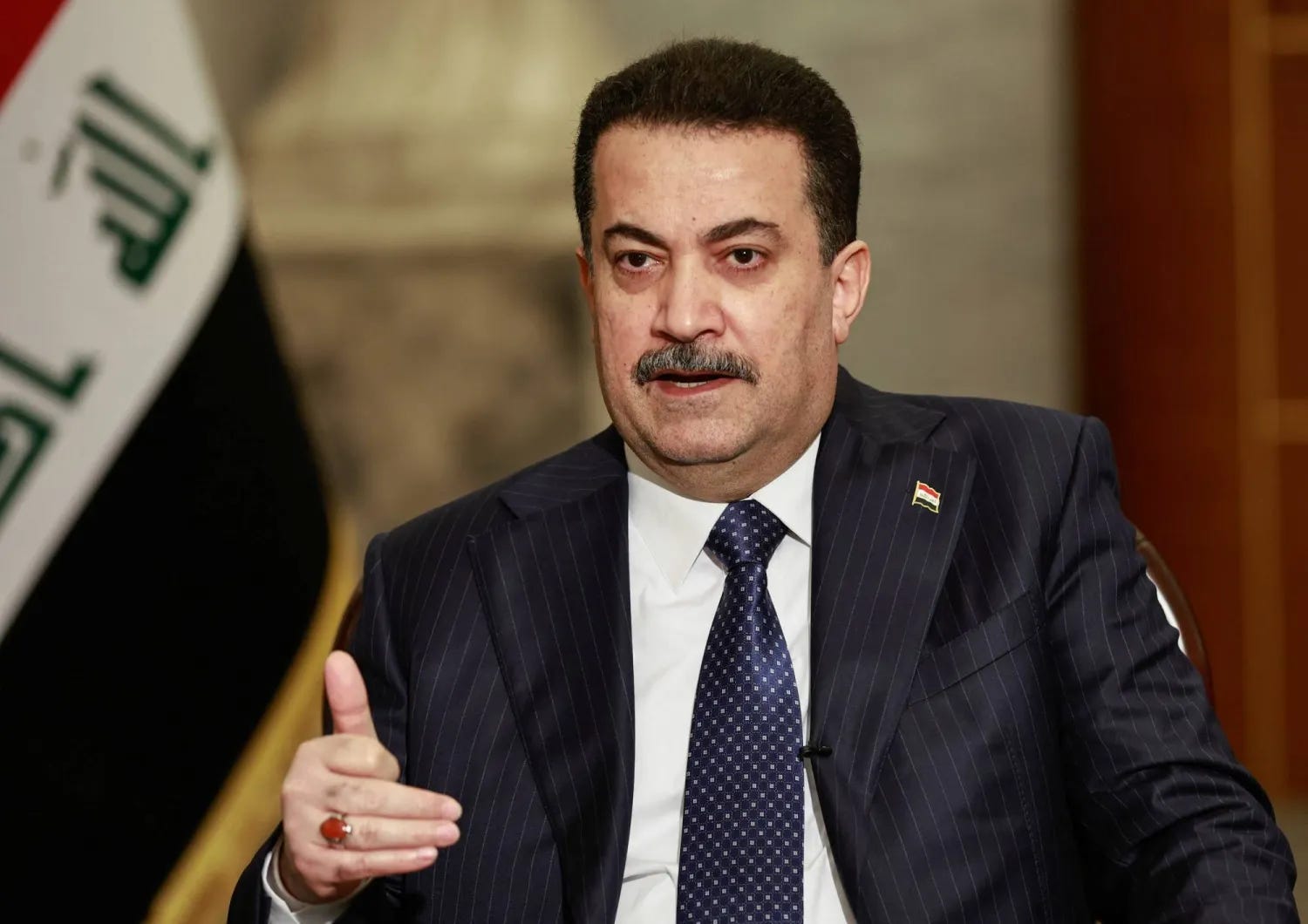
In late 2025, Prime Minister Mohammed Shia’ Al Sudani formed a high-level security and judicial committee, led by the national security advisor, to oversee the case.
Security agencies succeeded in dismantling several domestic networks. Recruitment channels on Telegram were shut down after being used to lure young men.
Police raided travel offices in southern provinces accused of facilitating the transport of recruits to Russia, and referred suspects to the judiciary.
Baghdad has repeatedly warned its citizens against falling for the lure of fighting in Ukraine, and has coordinated with international partners to curb the trend.
Iraq’s embassy in Moscow issued a statement denying any involvement in sending Iraqis to war, emphasizing that it does not issue travel visas for combat purposes. It also clarified that the only authority allowed to issue such visas is the Russian embassy in Baghdad.
The Iraqi government is also exchanging information with Russian authorities to facilitate the return of Iraqi recruits, and is monitoring attempts to move fighters across neighboring borders.
These efforts have been accompanied by an internal awareness campaign, involving media outlets and civil society organizations, to warn against participation in foreign conflicts and highlight the negative consequences for Iraq’s security and reputation.
Legal Framework and Sentencing
In the absence of specific legislation regulating such cases, Iraqi courts have relied on existing laws. Prosecutors have invoked the 2012 Anti-Human Trafficking Law to pursue recruiters, arguing that exploiting youth in foreign wars falls under its purview.
In September 2025, a criminal court in Najaf sentenced Risan Falah Kamel to life in prison after convicting him of recruiting and transporting Iraqis to fight for Russia.
There have also been parliamentary calls to close the legal gap by introducing new legislation that explicitly criminalizes participation in foreign conflicts without state authorization.
Human rights organizations have also voiced concern, arguing that the recruitment of Iraqis for foreign wars violates the constitution, which prohibits the formation of armed forces outside state control. They have urged authorities to hold all those involved accountable.