

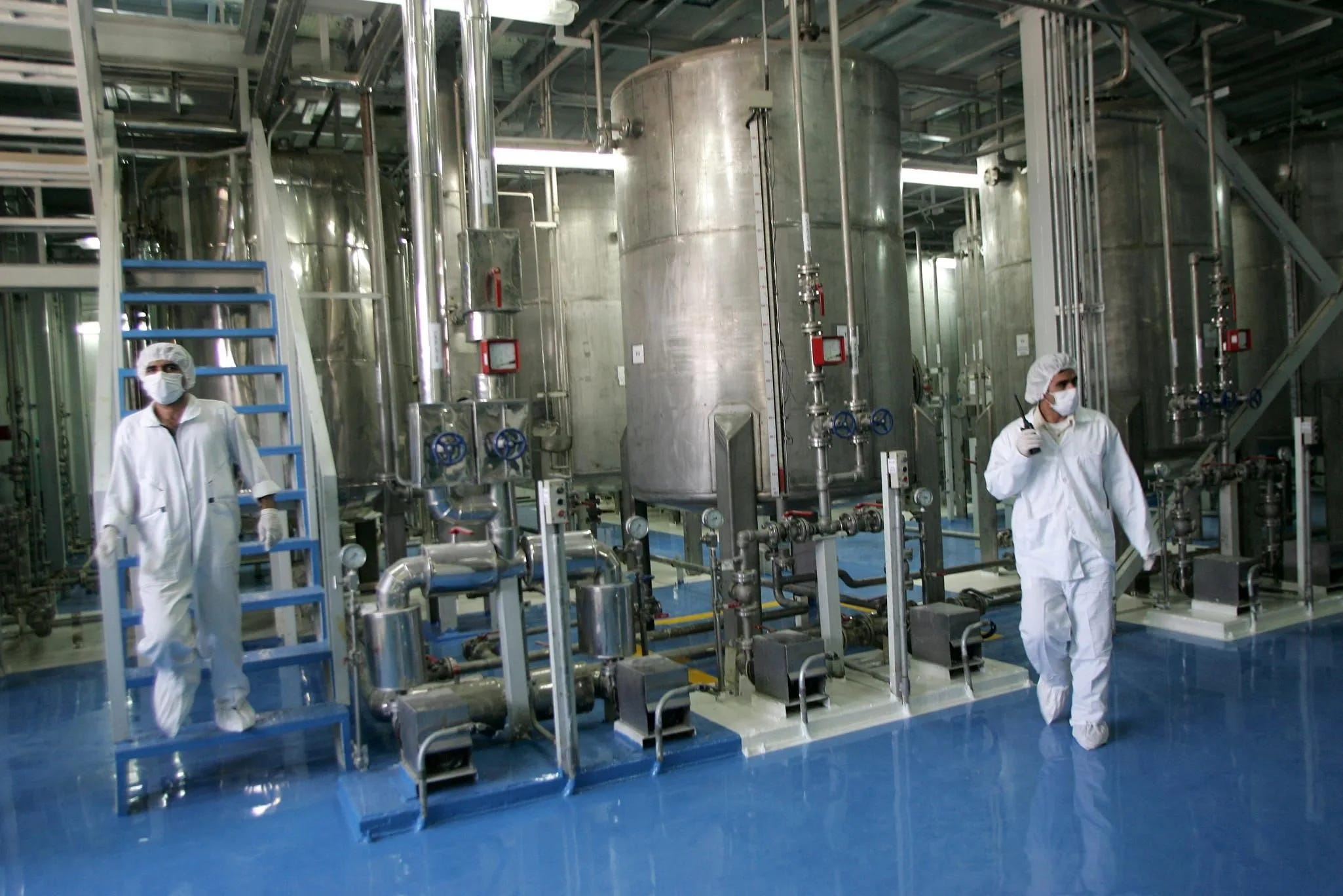
As the United States and Israel struggle to decisively win their war against Iran or bring down its regime, new ideas have begun circulating within the U.S. administration chief among them, the seizure of Iran’s enriched uranium and its removal from the country.
This proposal has surfaced through remarks by American officials and media leaks, framed as part of potential conditions to end the war. Yet it raises difficult questions: Is this merely leverage to push Iran toward renewed negotiations, or a genuine military option targeting the nuclear material itself?
Key Leaks on “Extracting” Uranium
Discussions around seizing Iran’s enriched uranium and transferring it abroad have emerged through several U.S. leaks:
The Wall Street Journal reported in late March, citing American officials, that President Donald Trump is considering a military operation to extract 1,000 pounds (approximately 454 kg) of Iran’s enriched uranium. No final decision has been made.
Officials noted that Trump is weighing risks to U.S. forces but remains broadly open to the idea, as it could help achieve his primary objective: preventing Iran from acquiring a nuclear weapon.
Bloomberg reported earlier in the month, citing three diplomatic sources, that the Trump administration is considering deploying special forces on the ground to seize Iran’s stockpile of highly enriched uranium, given the lack of viable military alternatives. Bombing facilities alone would not suffice if the nuclear material remains intact.
The Washington Post revealed details of a leaked 15-point plan to end the war, including sweeping sanctions relief for Iran in exchange for removing all enriched uranium, dismantling enrichment-processing capabilities, imposing restrictions on Tehran’s ballistic missile program, and halting support for armed groups in the region.
Reuters, citing three sources within the Israeli cabinet, reported that the proposal was conveyed to Iran via Pakistan and includes the removal of Iran’s highly enriched uranium stockpile.
Despite these reports, Prime Minister Benjamin Netanyahu stated at a press conference, 20 days into the war, that Iran was no longer capable of enriching uranium or producing missiles though he provided no evidence.
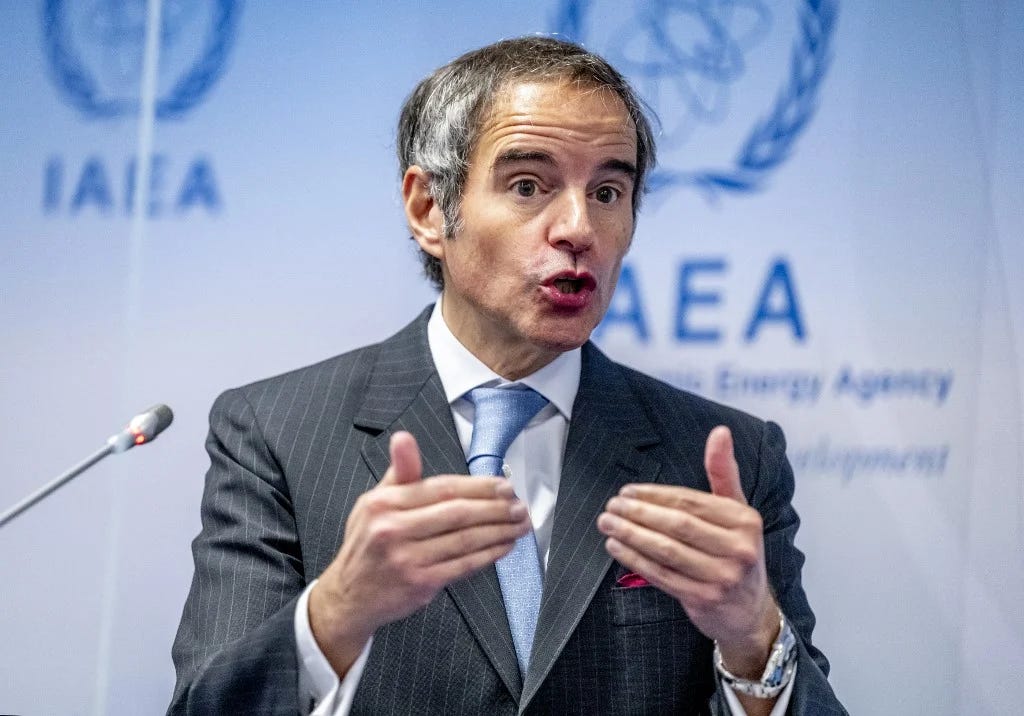
In contrast, International Atomic Energy Agency (IAEA) Director General Rafael Grossi said that “much of Iran’s nuclear capacity has survived” the attacks, and that the country still retains the knowledge and industrial capability to enrich uranium.
What Do We Know About Iran’s Stockpile?
To understand the current complexity surrounding Iran’s uranium stockpile, one must return to the last verified IAEA assessment before the major strikes on nuclear sites in June 2025.
Prior to the 12-day confrontation, the IAEA estimated that Iran possessed 9,874.9 kg of enriched uranium at various levels, including 440.9 kg enriched up to 60% a level close to weapons-grade. Most of this stockpile was in the form of uranium hexafluoride (UF₆), stored in large steel cylinders.
The report indicated that uranium enriched to 20% and 60% was stored in an underground tunnel complex in Isfahan. The agency observed regular vehicle movement near the tunnel entrance but was not granted access. Following the attacks, the IAEA withdrew and has since been unable to verify the stockpile.
A March 2026 report by the agency’s director confirmed that Iran continues to allow access to undamaged facilities but has denied inspections of bombed sites and the materials within them.
He added that the agency “has not had access to declared stockpiles of low- and high-enriched uranium for more than eight months,” leaving it unable to confirm whether enrichment activities have ceased or whether the stockpile remains intact.
Despite this ambiguity, Grossi stated on March 9, 2026, that most of the uranium enriched to 60%—just over 200 kg—was not destroyed. He noted that these quantities are still located in the Isfahan complex, which did not sustain significant damage, while another portion exists at the Natanz facility, some of which may have been destroyed.
Another Reuters report, citing intelligence sources, indicated that the Isfahan stockpile was stored in tunnels beneath a mountain. Airstrikes may have caused tunnel entrances to collapse, but the steel cylinders likely remained intact explaining Washington’s insistence on removing the material rather than bombing it, as destroying facilities does not eliminate the material itself.
Meanwhile, some U.S. military officials believe Iran may have concealed part of the stockpile in undisclosed locations prior to the attacks.
Why Is This Among the Most Dangerous Military Operations?
Destroying or extracting enriched uranium differs fundamentally from bombing a nuclear facility. The former targets hazardous chemical material stored in sealed cylinders deep underground, while the latter targets infrastructure.
According to a CBS report, UF₆ cylinders contain a substance that turns into toxic gas upon contact with air, meaning a direct strike could cause widespread contamination.
If a foreign power seeks to extract rather than destroy the stockpile, the operation would require multiple complex stages:
1. Reaching the Site:
The Isfahan complex is located in a fortified mountainous area under heavy guard. Military experts cited by CBS suggest that special forces would need to infiltrate or storm the site after neutralizing surface defenses potentially requiring heavy engineering equipment to clear debris and reinforced concrete.
2. Securing the Material:
Once inside, forces must prevent any Iranian attempt to recover or destroy the stockpile. This would require a broad military perimeter and air support to deter missile or drone attacks. Experts estimate that more than 1,000 troops could be needed for security and operational support.
3. Packaging and Transport:
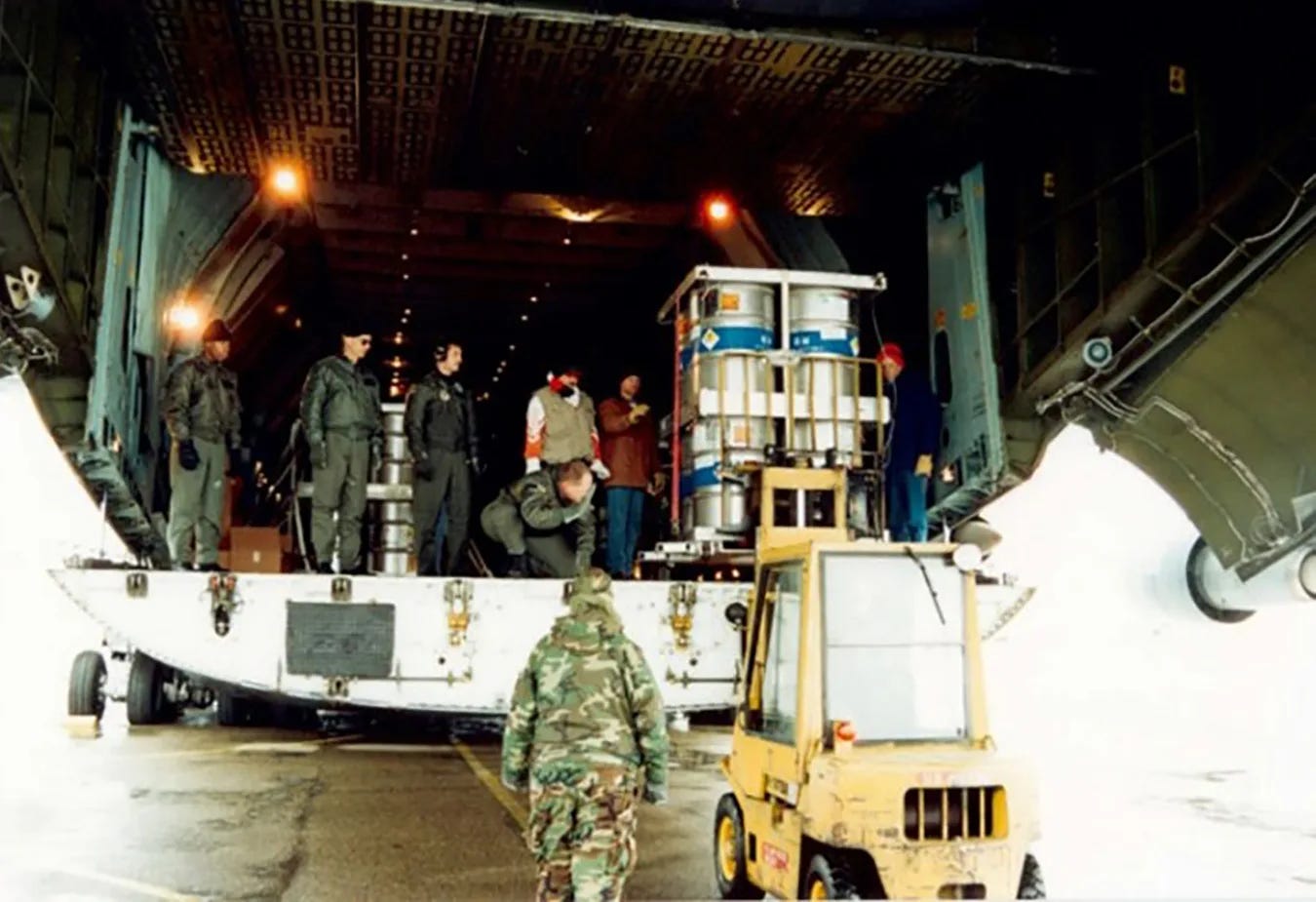
UF₆ cylinders weigh hundreds of kilograms and require specialized equipment for handling and secure transport. For comparison, during Project Sapphire in 1994, the U.S. extracted 600 kg of highly enriched uranium from Kazakhstan in a peacetime mission that took weeks of planning and involved heavy transport aircraft and coordination with Moscow.
Wartime conditions and the possibility of booby-trapped tunnels would make such an operation far more complex.
4. Extraction from Iran:
Even after loading the material, exfiltration poses the greatest risk. CBS reports that once the element of surprise is lost, extraction teams become prime targets. Aircraft or ground convoys would have to traverse long distances under threat from Iranian missiles and drones.
An analysis by the Center for Strategic and International Studies (CSIS) adds further requirements for success, including:
Precise identification of stockpile locations
Full air superiority to protect transport aircraft
Prior coordination with the IAEA for handling nuclear material
Deployment of hundreds, possibly thousands, of personnel
Complete control over Iranian airspace and air defenses
The center also warns of chemical risks: uranium hexafluoride can decompose into highly toxic hydrogen fluoride (HF) gas if exposed to air, meaning any accidental explosion could trigger an environmental and public health disaster.
For these reasons, some analysts believe that the threat of seizing enriched uranium may serve primarily as leverage to push Iran toward a deal involving the supervised transfer of its stockpile or its dilution to lower enrichment levels.