

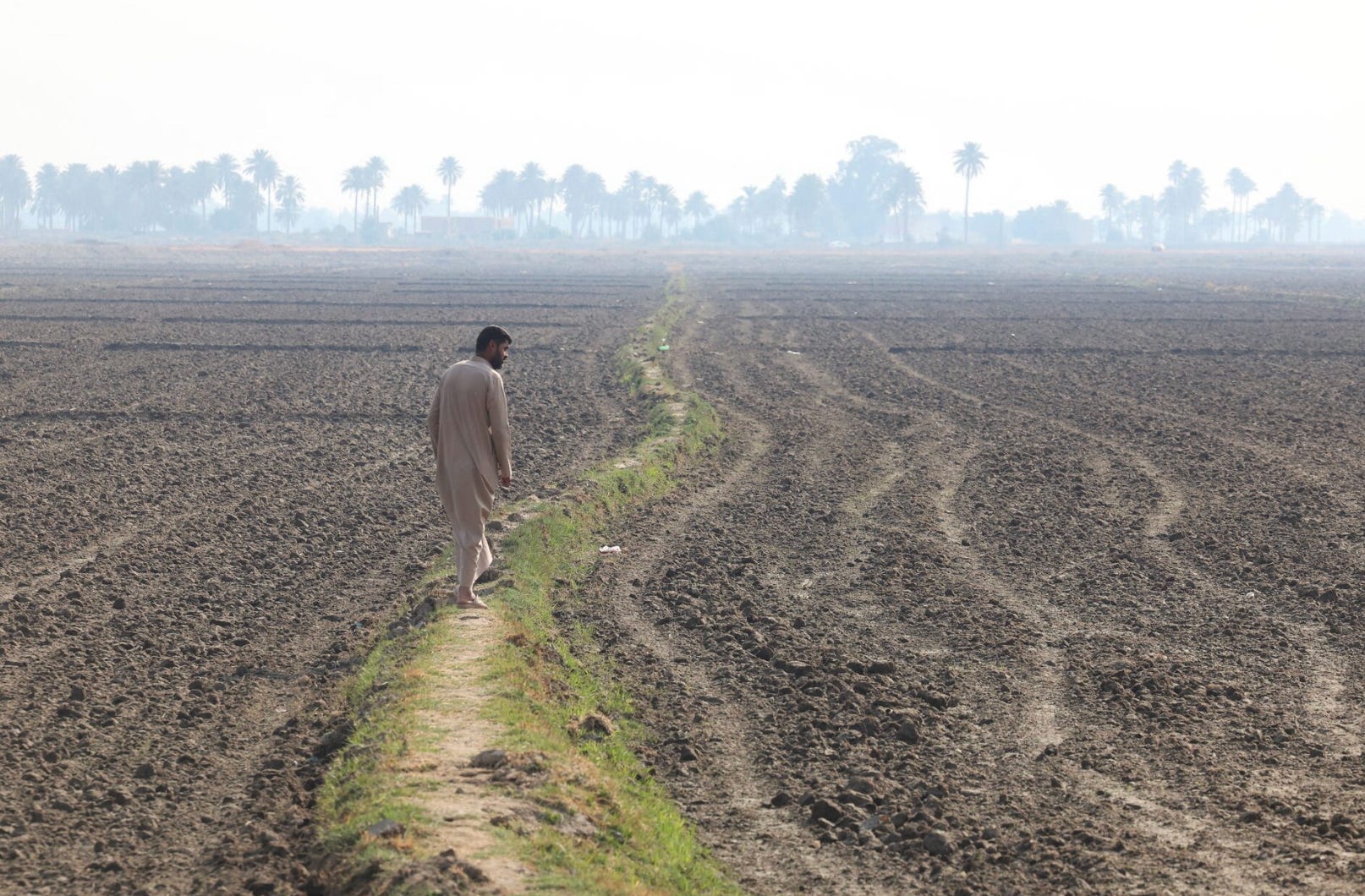
For three consecutive seasons, Iraqi government programs aimed at promoting wheat cultivation succeeded in generating surpluses an impressive turnaround for a country that has historically ranked among the region’s largest importers of this strategic staple.
Over the past decade, achieving food security has become a central goal for successive Iraqi governments. They have supported farmers through preferential pricing, high-yield seed varieties, and modern irrigation equipment.
But this dream was shattered in 2025, as Iraq experienced the most severe drought in its modern history. Wheat production plummeted, turning the tide from promising surpluses to sharp declines. What are the key figures that reveal the scale of the crisis, and what factors drove this dramatic reversal?
By the Numbers: From Surplus to Shortfall
Between 2023 and 2025, government support programs led to wheat production surpluses. In the 2024–2025 season, Iraq produced about 5.1 million tons, with reserves exceeding 6 million tons.
But in the 2025–2026 season, the situation flipped. The UN’s Food and Agriculture Organization (FAO) estimates that drought and poor water management will slash output by 30–50%.
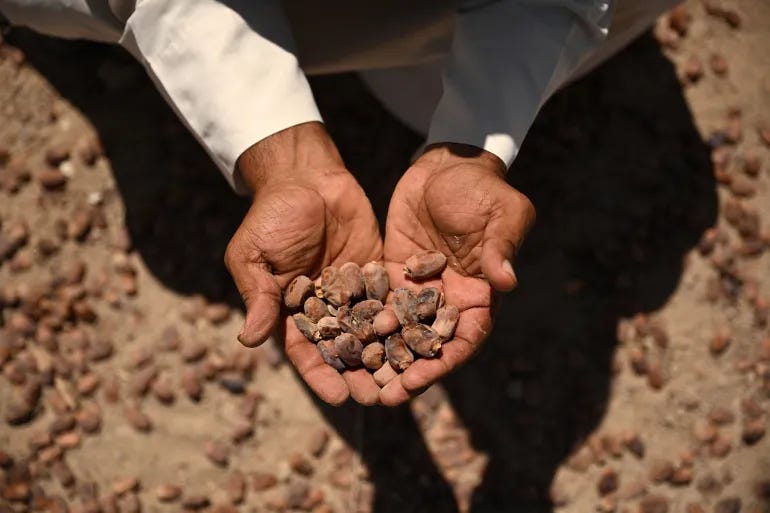
These projections stem from reduced cultivated land due to water scarcity and new mandates requiring farmers to adopt modern irrigation systems driving up production costs.
The Famine Early Warning Systems Network (FEWS NET) forecasts average output to fall to 4.5 million tons, creating a shortfall of 2.4 million tons that must be covered through imports.
This marks a significant departure from Iraq’s near-achievement of wheat self-sufficiency just two years ago.
Key Drivers Behind the Crisis
1. Historic Drought and Climate Change
Iraq is enduring its harshest drought in decades amid accelerating climate change. Since 2000, average temperatures have risen by 0.5°C per decade, with projections suggesting a potential rise of up to 5.6°C by century’s end.
At the same time, water levels in the Tigris and Euphrates Rivers have plummeted. Iraq’s total water reserves fell from around 60 billion cubic meters in 2020 to under 4 billion cubic meters by the end of 2025.
This decline stems from a combination of natural and human-made factors: rising temperatures, reduced rainfall, regional water policies, and Iraq’s own lack of effective water resource management.
FEWS NET warns that these conditions will likely persist during the 2025–2026 growing season, exacerbated by the El Niño weather phenomenon, which is expected to keep rainfall below average during winter and spring.
2. Regional Water Policies
Iraq depends on neighboring countries for roughly 70% of its water resources. But both Turkey and Iran have built extensive dam networks like Turkey’s Atatürk Dam on the Euphrates and Ilisu Dam on the Tigris reducing downstream flows into Iraq.
Iran has also redirected water from key tributaries such as the Sirwan and Lower Zab Rivers toward its own agricultural projects.
These developments, combined with the lack of binding agreements and waning water diplomacy, have cut Iraq’s share of the two rivers to less than 35% of its entitlement.
3. Weak Infrastructure and Water Management
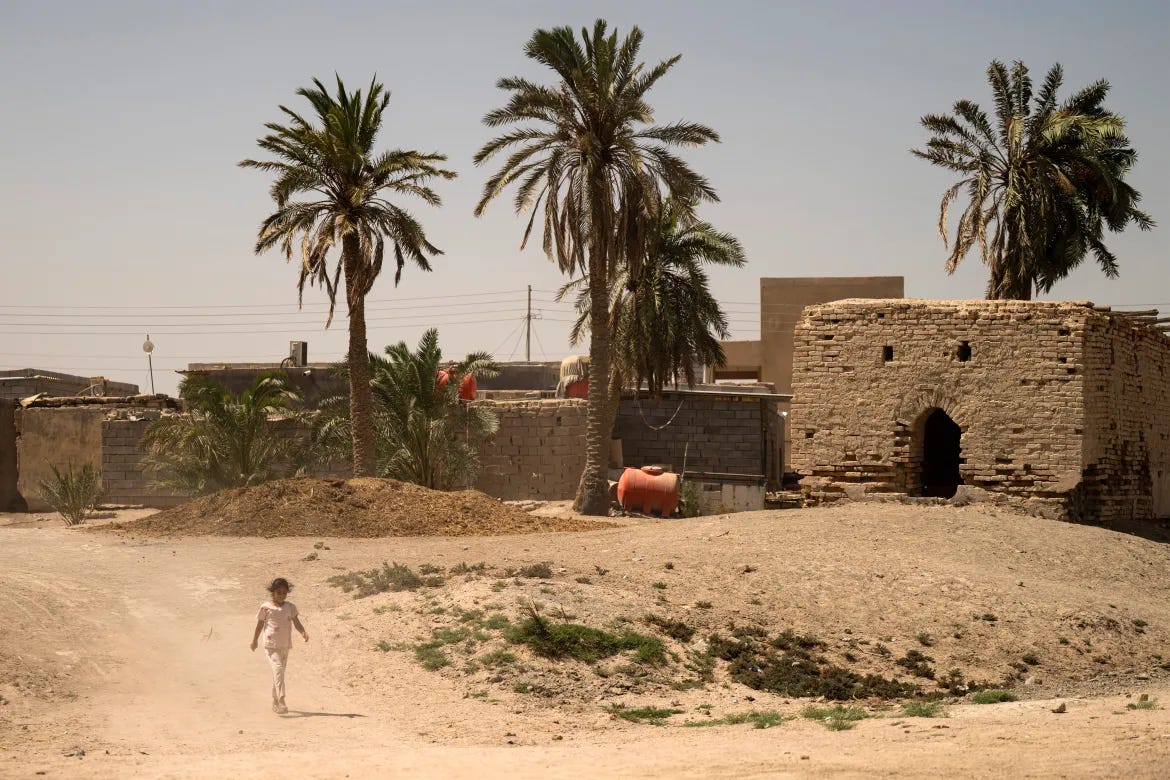
Part of the crisis is rooted in Iraq’s fragile infrastructure. The current irrigation network operates at under 60% efficiency due to leakage and evaporation. Large quantities of water are wasted through unlined flood irrigation systems.
Modernization and maintenance projects have lagged behind growing demand. Plans for dam construction and desalination have stalled over the years due to corruption and political gridlock.
Government Measures to Mitigate the Crisis
1. Limiting Cultivation and Promoting Modern Irrigation
The Ministry of Agriculture limited river-irrigated farmland to 1 million dunams (approximately 250,000 acres), half the area cultivated the previous season.
It also banned the cultivation of rice, one of the most water-intensive crops, and mandated the use of drip and sprinkler irrigation systems, aiming to reduce water loss from traditional methods.
An additional 3.5 million dunams in desert regions have been allocated for groundwater irrigation but only using modern techniques.
While crucial, these measures impose high upfront costs on farmers who often lack the financial means to purchase pumps and irrigation equipment.
2. Social Policies and Price Support
Baghdad has maintained its wheat procurement program, offering farmers more than double the global market price.
The government has also upheld the national ration card system, which provides subsidized flour to most households and ensures the availability of low-cost bread.
According to FEWS NET, Iraq’s current grain reserves are sufficient to meet domestic consumption for about 14.5 months. However, it warns that if oil prices Iraq’s main source of revenue—continue to decline, the government may be forced to cut subsidies and reduce ration card allocations.
3. Desalination and Dam Projects
Amid rising public anger over water shortages, the government announced in July 2025 plans to build 10 rainwater-harvesting dams in desert areas.
It also awarded a joint Iraqi-Chinese venture the contract to build a seawater desalination plant in Basra, aiming to fast-track the project.
Still, Chatham House warns that similar projects have previously been hampered by corruption and poor oversight, raising concerns about their ability to provide lasting solutions.
The Biggest Losers and the Fallout
Producing one ton of wheat in Iraq requires about 1,100 cubic meters of water. When water is scarce, farmers are forced to reduce planting areas.
Ma’an Al-Fatlawi, a farmer from Najaf, says he had to cut his wheat acreage to one-fifth of its usual size and lay off 8 of his 10 workers.
Women, who make up about a quarter of the agricultural workforce in Basra, have also been severely affected. Beyond material losses, water scarcity has driven families to abandon their land or sell their livestock.
The International Organization for Migration reports that around 170,000 people in central and southern Iraq have been displaced by climate-related factors. The FAO expects this number to rise as drought conditions worsen.
Rising salinity levels have also had devastating effects. Poultry populations have declined, and pomegranate, fig, and orchard trees in Basra and Amarah have been damaged.
In the Shatt al-Arab waterway, salinity levels surged to 29,000 parts per million, up from 2,600 ppm the previous year rendering the water unfit for drinking or agriculture.
Officials warn that unregulated groundwater extraction could lower the water table in Basra by three to five meters.
Iraq’s Food Security Outlook in 2026
Experts present mixed scenarios for Iraq’s food security in 2026:
FEWS NET anticipates that drought will persist into the next season, with wheat and barley yields below average in rain-fed and river-irrigated areas.
The government is likely to continue reducing cultivated areas to prioritize drinking water supplies, further limiting domestic output.
According to the FAO, import needs may reach 2.4 million tons in 2025–2026 about 8% above average.
Nevertheless, the FAO believes Iraq’s current reserves can meet demand for almost a year, and that the Public Distribution System (PDS) will help avert a major food crisis.
However, if oil prices continue to fall, the government may struggle to finance both imports and subsidies, potentially leading to rising bread and staple food prices.
This would deepen Iraq’s dependence on wheat imports from the Black Sea region or Australia, making the country’s food security increasingly vulnerable to global market volatility.