

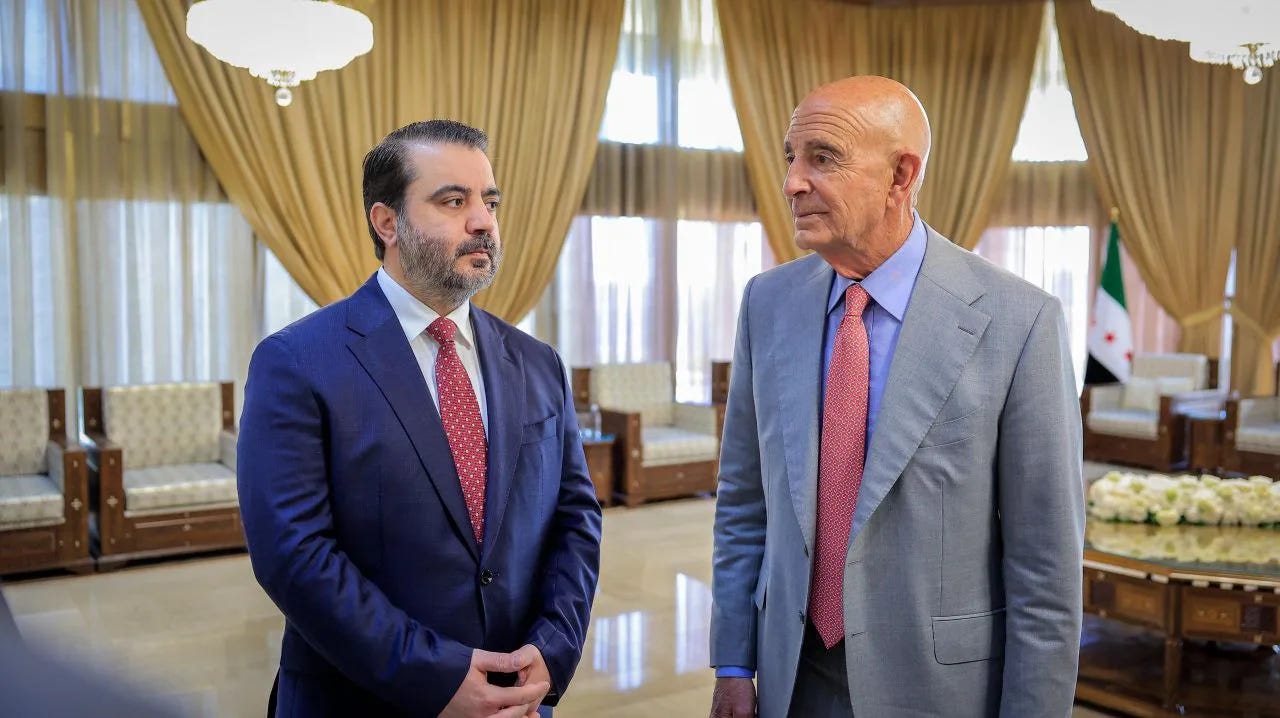
In the fifth round of talks between Syria and Israel, preliminary outlines of a potential agreement began to take shape, though the details remain unclear. The negotiations, which had faltered in previous rounds, have been marked by Damascus’ insistence on restoring the terms of the 1974 Disengagement Agreement or a similar accord in contrast to “Israel’s” continued aggression, its demands for a demilitarized zone in southern Syria, and its proposal to open a “humanitarian corridor” to the Druze-majority province of Suwayda.
The latest talks, held over two days in Paris on January 5–6, took place under direct US supervision. Representing the Syrian side were Foreign Minister Asaad al-Shibani and General Intelligence Director Hussein al-Salama. The Israeli delegation was newly formed following the resignation of Ron Dermer and included Israeli Ambassador to Washington Yehiel Leiter, military adviser Roman Gofman, and Acting National Security Adviser Gil Reich. The American delegation featured Thomas Barrack, Steve Witkoff, and Jared Kushner.
This report explores the outcomes of the fifth round, the contours of the anticipated security agreement, and its potential implications all against the backdrop of Israel’s ongoing attacks on Syrian territory, even after the Paris meeting.
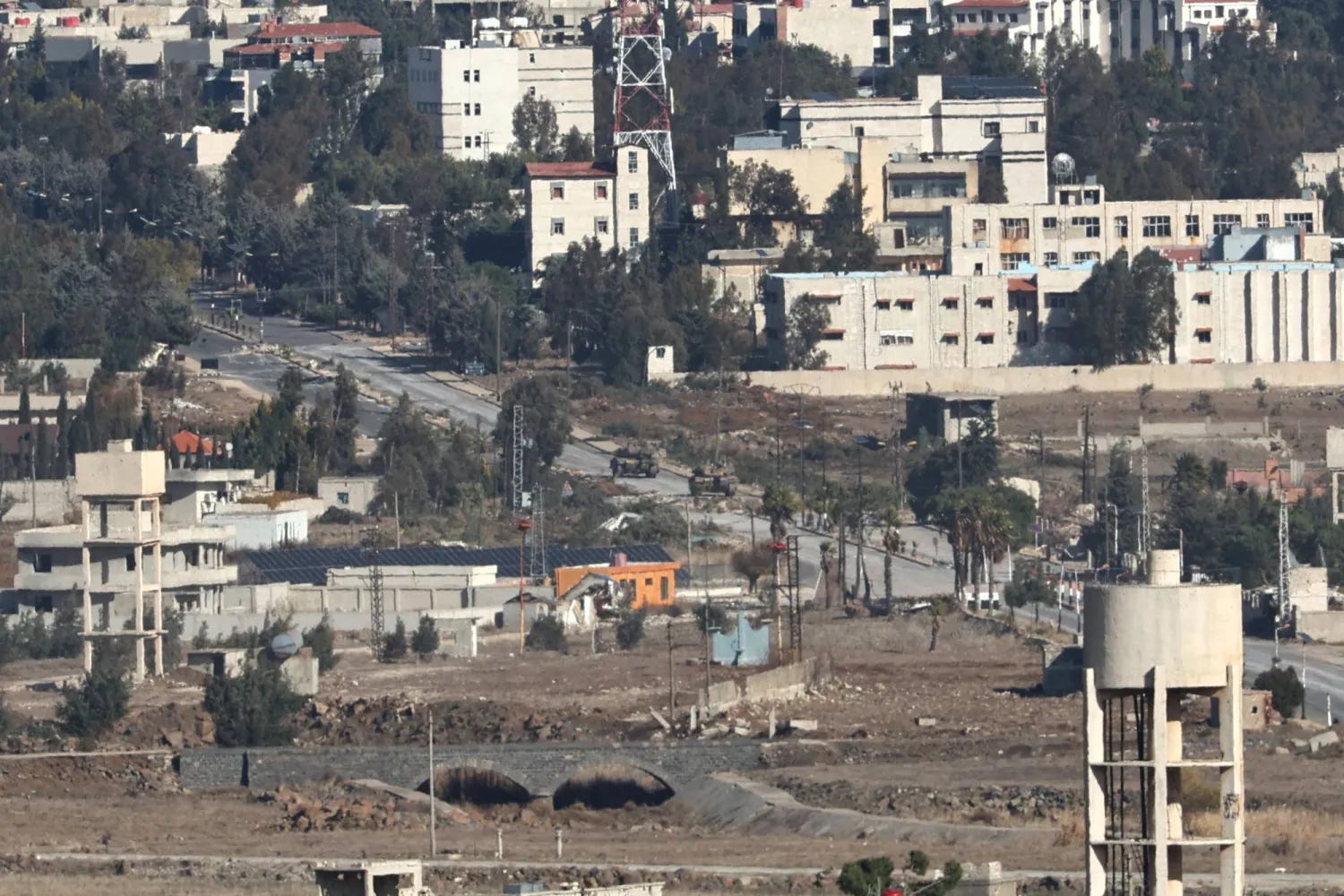
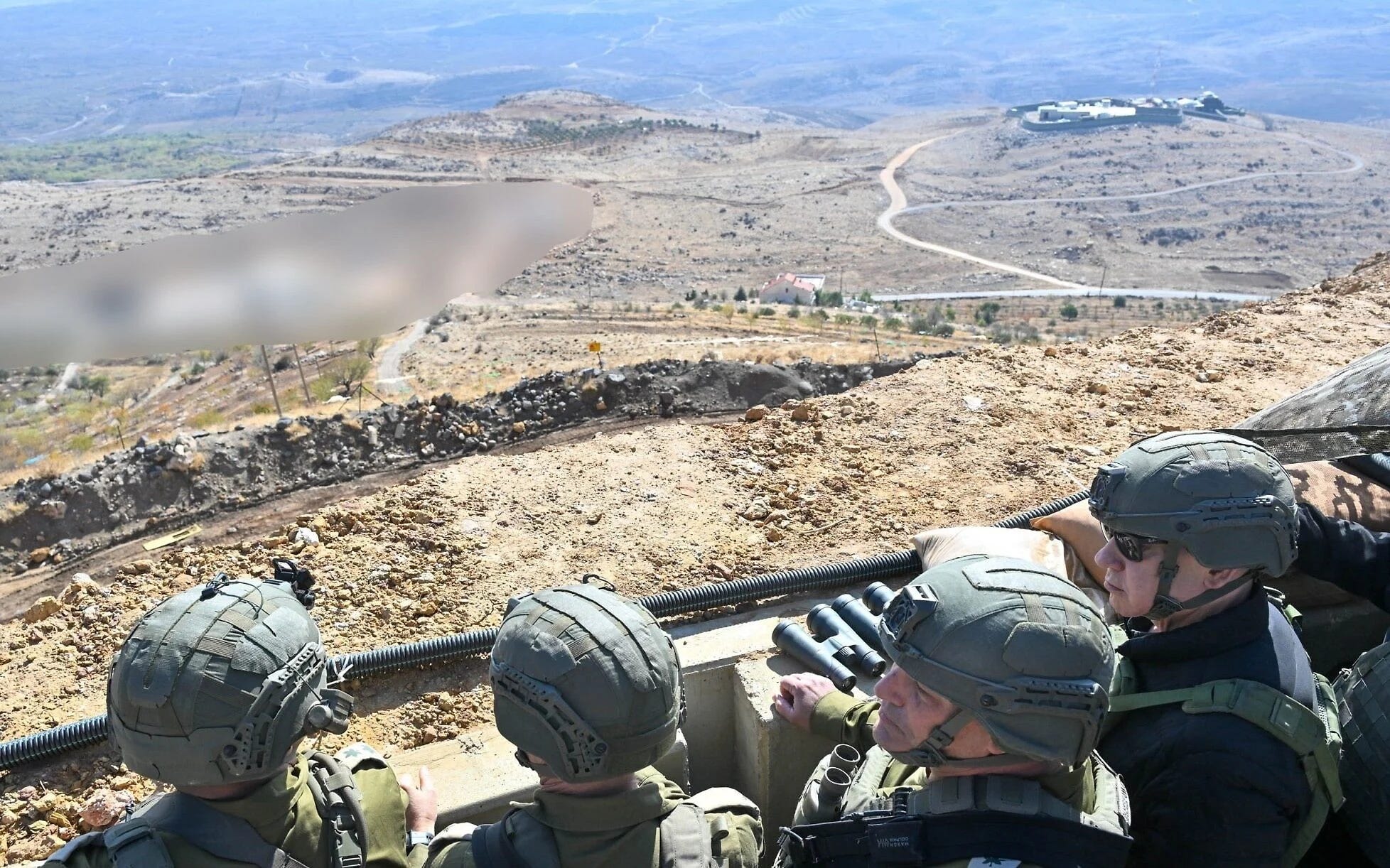
Since the fall of Bashar al-Assad’s regime on December 8, 2024, “Israel” has intensified its military actions in Syria, including incursions, land seizures, the establishment of military outposts, targeted strikes, arrests, and the killing of both civilians and soldiers. The Syrian Network for Human Rights documented 62 Syrian deaths at the hands of Israeli forces in 2025 alone.
A Faltering Track Amid Unrelenting Aggression
Prior to the recent Paris meeting, two negotiation rounds were held in the French capital in July and August 2025, in addition to meetings in Baku and London. While the parties had come close to outlining a security framework, talks stalled in September 2025 over Israel’s insistence on opening a “humanitarian corridor” into Suwayda an idea firmly rejected by Syria.
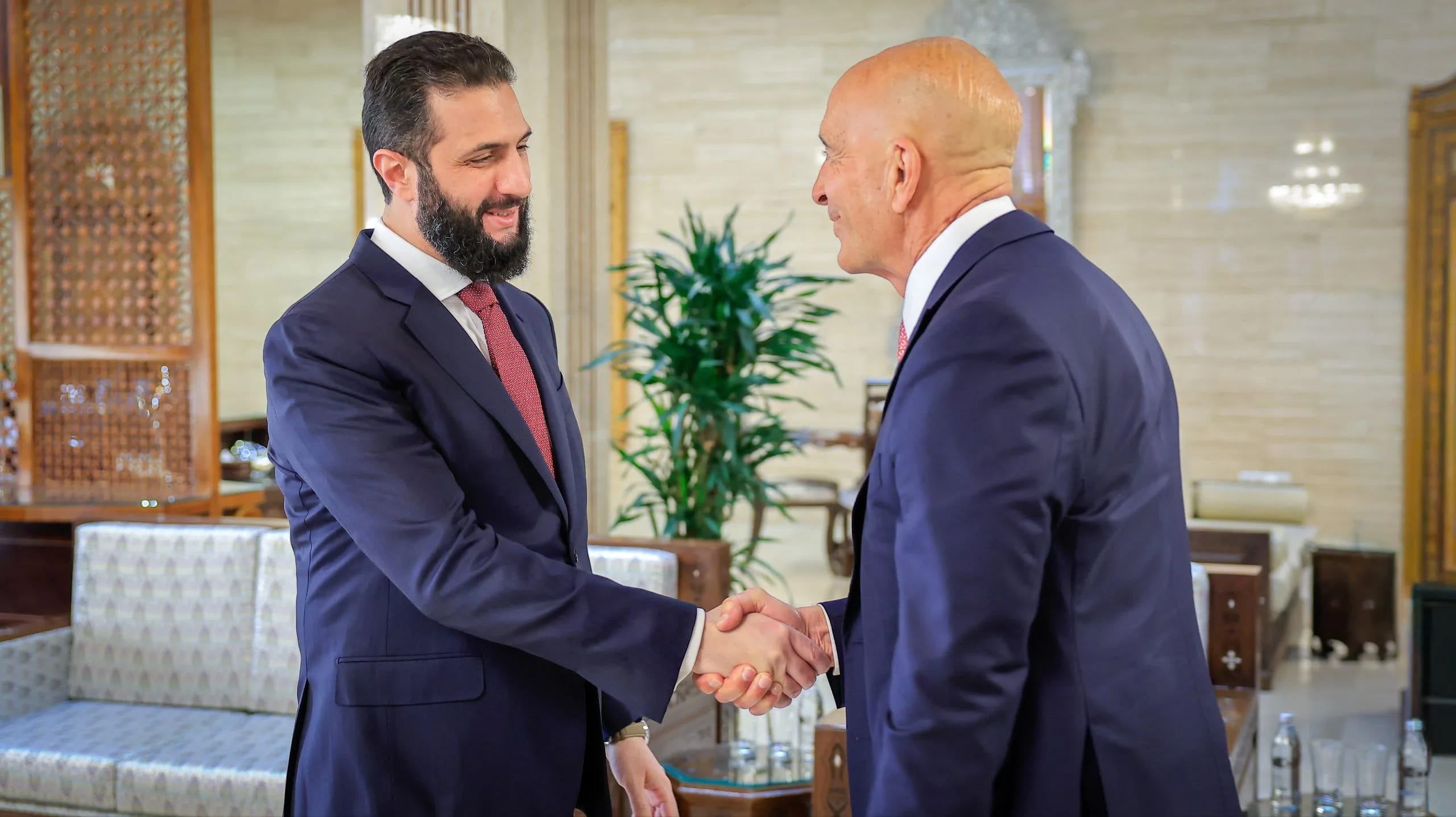
In November 2025, Syrian Foreign Minister Asaad al-Shibani clarified Syria’s stance: “We do not pursue peace at any cost. We will not sign any agreement while our land remains occupied. The condition is clear: full withdrawal to the lines of December 7, 2024. If they want an agreement, let them return to the borders. Otherwise, there is no agreement, and no concessions.”
President Ahmad al-Shara has repeatedly dismissed the possibility of Syria joining the Abraham Accords, asserting that Syria’s situation differs fundamentally from the countries that signed those agreements. However, he acknowledged that security arrangements could open the door to future accords and suggested that certain Israeli policies hinted at regret over the fall of the previous regime.
In response to Israel’s escalated aggression—both militarily and in the media—Damascus pursued a political and diplomatic course. “Israel”, for its part, has adopted contradictory positions and narratives to justify its attacks, exert pressure during negotiations, and destabilize the Syrian state.
Following Assad’s fall, “Israel” targeted Syria’s military infrastructure, reportedly destroying nearly 80% of it, carrying out more than 500 ground incursions and over 1,000 airstrikes. These operations were accompanied by hostile rhetoric labeling the new Syrian leadership as “terrorists” and “jihadists,” and warning of an inevitable war with Syria.
Meanwhile, the United States has played an active role in facilitating the Syria–”Israel” talks, with special envoy Thomas Barrack among the first to announce their initiation. Washington also helped de-escalate tensions in Suwayda by brokering a ceasefire agreement on July 19, 2025.
In recent weeks, US statements regarding the negotiations have grown more assertive. Former President Donald Trump declared that Syria and “Israel” would reach an agreement and claimed to have reached an “understanding” with Benjamin Netanyahu on Syria, though he offered no further details.
Trump also urged Israel to maintain an “honest and robust dialogue” with Syria and cautioned against actions that could hinder Syria’s “path to prosperity.”
“Joint Coordination Mechanism”
On January 5, a Syrian government source told the Syrian Arab News Agency (SANA) that the resumption of talks underscored Syria’s unwavering commitment to reclaiming its inalienable national rights. The source emphasized that discussions were focused on reactivating the 1974 Disengagement Agreement to ensure Israeli withdrawal to pre–December 8, 2024 lines within a “balanced security framework that upholds full Syrian sovereignty and prevents any interference in Syria’s internal affairs.”
Following the talks, a joint statement from Syria, Israel, and the United States described the discussions as “productive,” focusing on Syria’s sovereignty and stability, Israel’s security, and the prosperity of both nations. The statement outlined several understandings:
Both sides reaffirmed their commitment to pursuing enduring security and stability arrangements.
They agreed to establish a joint coordination mechanism in the form of a dedicated communications cell to facilitate real-time coordination on intelligence sharing, military de-escalation, diplomatic engagement, and commercial opportunities under US supervision.
The mechanism would serve as a platform for immediate conflict resolution and prevention of misunderstandings.
The US welcomed the understandings as “positive steps,” reaffirming its support for their implementation as part of a broader effort to achieve lasting peace in the Middle East. The statement reflected “the spirit of a significant meeting” and both sides’ determination to “open a new chapter in their relations for the benefit of future generations.”
In addition, The Jerusalem Post reported that Syria and Israel had agreed to initiate discussions on civilian cooperation in healthcare, energy, and agriculture. However, the joint statement and officials did not set a timeline for implementing these provisions.
US envoy Thomas Barrack hailed the outcome as a “breakthrough,” describing the talks as reflective of “a strong mutual desire to move from denial to real cooperation and shared prosperity.” He added, “Both parties are committed to a new relationship based on transparency and partnership one that acknowledges past regrets and accelerates a collaborative future.”
Agreement or Normalization?
Despite the joint statement, subtle divergences emerged through separate remarks made outside the formal communiqué, suggesting that each side remains focused on its core priorities. Syria has not officially commented on the meeting, though a Syrian official told Reuters that no strategic files could be addressed without a binding and clear timeline for Israel’s full withdrawal from the territories it seized following Assad’s ouster in late 2024.
The official said the most recent round concluded with a US initiative to “immediately freeze all Israeli military activities” against Syria. He accused Israel of employing “technical stalling tactics” in the talks and urged it to abandon its “expansionist mindset” to allow negotiations to proceed.
According to Axios, a US official revealed that Washington proposed establishing a trilateral operations room in Amman, Jordan, to facilitate talks on demilitarizing southern Syria and overseeing Israeli withdrawal from areas occupied after Assad’s fall.
Each side would send representatives to handle diplomatic, military, intelligence, and trade matters. The US would ensure that all military activities remain frozen pending further negotiations within the operations room framework.
Israel has not commented on the proposed freeze. However, Prime Minister Benjamin Netanyahu’s office stated that Israel had stressed the importance of securing its citizens and preventing threats along its borders. It reaffirmed Israel’s commitment to regional stability and security, as well as enhancing economic cooperation with Syria.
The statement also noted an agreement to continue dialogue with Syria to pursue shared objectives and protect the Druze minority in Syria.
Prior to the meeting, some media outlets speculated that a security agreement between Syria and Israel could pave the way for future diplomatic normalization. The official inclusion of “economic cooperation” and “commercial opportunities” marked the first public mention of such civilian matters reviving debates over normalization and the Abraham Accords.
Political analyst Firas Allawi told Noon Post that the Paris meeting differed markedly from previous ones, pointing to US pressure to deliver concrete outcomes, notably in the form of security coordination in southern Syria and an updated version of the 1974 agreement to prevent future clashes.
He suggested that this round could lead to a broad security agreement rather than full normalization, possibly covering issues related to borders, intelligence coordination, and disarmament in specific zones without advancing toward diplomatic ties for now.
Allawi expressed doubt about the prospects for comprehensive normalization. Even civilian or agricultural discussions, he said, likely pertain to cross-border farming lands or Jordan River water rights and are unlikely to expand in the transitional period.
Meanwhile, political analyst Darwish Khalifa argued that the joint statement particularly the creation of a joint coordination mechanism reflects a US attempt to reposition southern Syria from a zone of security threats (as “Israel” perceives it) into one of investment opportunities.
He said Washington seeks to reframe the approach from security to economics, building trust between Syria and Israel through investment more than security guarantees.
Speaking to Noon Post, Khalifa said the current phase does not constitute a security agreement or Syrian accession to the Abraham Accords, but it could evolve in that direction. Limited coordination may lead to real investment projects along the border, as reported by Israeli media. This, he noted, could deflect criticism of Syrian authorities for engaging with “Israel”.
However, Khalifa also questioned whether any potential peace deal with Israel might weaken the broader Arab position particularly Saudi Arabia’s two-state solution initiative. He warned that such a trajectory could clash with the prevailing Arab consensus, though he emphasized that it remains too early to draw firm conclusions.
