

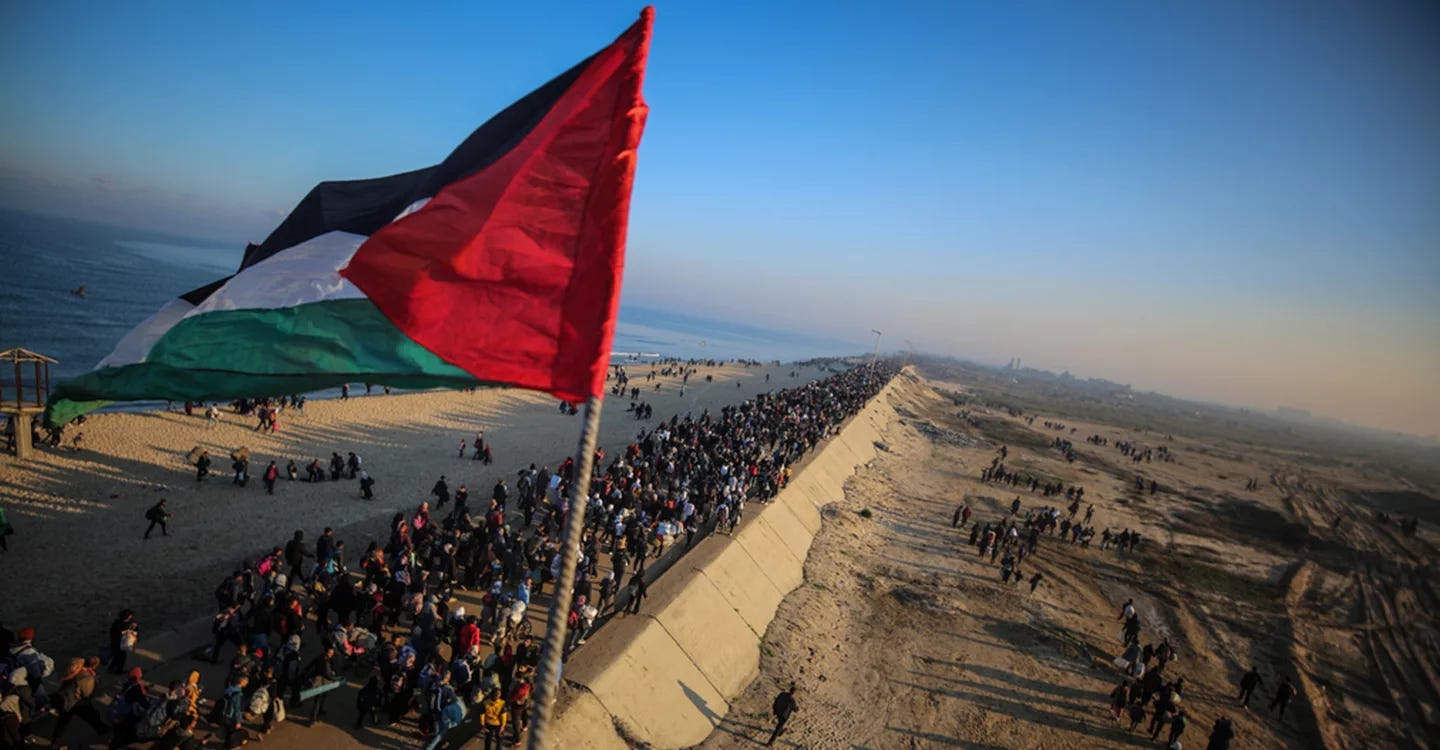
A 20-point ceasefire agreement in Gaza is on the verge of entering its second phase, following the completion of a fragile initial truce, a prisoner exchange, and a partial withdrawal of Israeli forces to what has become known as the “Yellow Line” inside the Gaza Strip.
As Israeli Prime Minister Benjamin Netanyahu prepares for his upcoming visit to Washington to meet President Donald Trump between December 28, 2025, and January 1, 2026, the spotlight has turned to the contours of the agreement’s second phase and the practical likelihood of its implementation.
Key Elements of the Second Phase
1. Withdrawal of Israeli Forces from Gaza
In the first phase, Israeli forces pulled back to a line within Gaza referred to as the Yellow Line, encompassing roughly 53% of the Strip’s total area. Within this boundary, the Israeli military maintains a presence in the eastern sectors of Gaza City and Khan Younis, as well as the far north and south of the Strip.
On October 20, 2025, images surfaced showing the placement of yellow concrete blocks outside this line to demarcate it physically an indication, many believe, of intentions for a prolonged occupation.
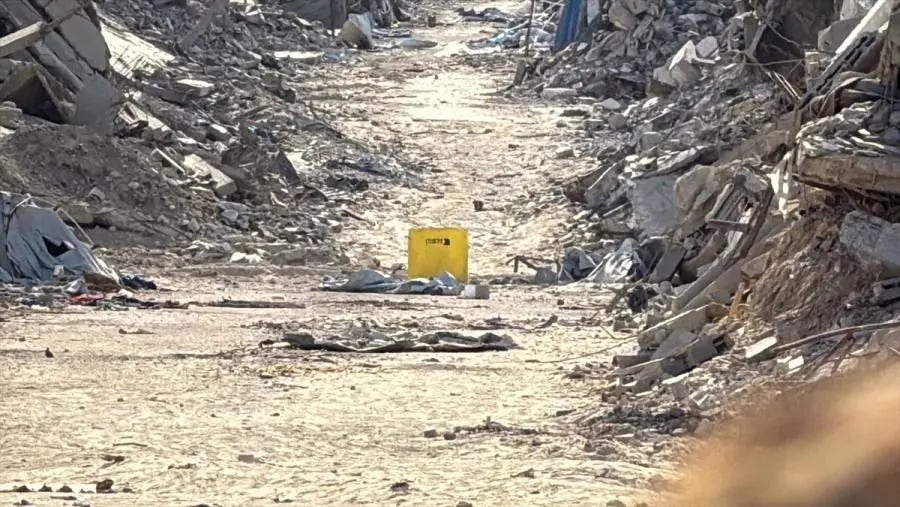
The agreement’s second phase stipulates a full withdrawal of Israeli forces beyond the Yellow Line and out of Gaza. However, Netanyahu’s government continues to oppose such a move.
Israeli Chief of Staff Herzi Halevi stated that the Yellow Line serves as “an advanced defensive line and will remain in place even after the launch of the second phase.”
2. Disarmament of Hamas and Other Factions
Israel has made the disarmament of Hamas and other armed groups its primary condition for proceeding with phase two. The agreement calls for the handover of heavy weapons, allowing only light arms to remain with the local police.
Netanyahu has stressed that the second phase is “much more difficult than the first” because of the arms issue, vowing to “ensure disarmament by any means, even if international forces fail to do so.”
In response, Hamas leader Basem Naim stated that the group is willing to “freeze or store” its weapons as part of a political process leading to the establishment of a Palestinian state but refuses to hand them over to any foreign force.
Naim and other Hamas officials maintain that retaining their weapons is a direct response to the ongoing occupation. They have, however, expressed willingness to consider a long-term truce of five or even ten years.
3. Deployment of an International Stabilization Force
Details regarding the proposed international force remain unclear. On October 24, U.S. Secretary of State Marco Rubio said the force was still in the process of being formed, and that several countries had shown interest in participating, though he did not elaborate.
According to Axios on October 30, Trump administration officials have been in talks with multiple countries about forming an international force that would include Palestinian police units and be deployed in Gaza.
Hamas has welcomed the idea of Arab and Muslim participation in a UN-mandated force “to secure borders and monitor the ceasefire,” but without operating inside Gaza. Conversely, both Israel and the U.S. have insisted that the force must also be tasked with disarming Hamas.
Israeli government spokesperson Shosh Bedrosian said that Tel Aviv seeks “comprehensive security control” over Gaza, raising fears that the international force could merely become a new mechanism for entrenching the occupation especially as Israel opposes the participation of certain countries, including Turkey and Qatar.
4. Formation of a Technocratic Committee to Administer Gaza
The U.S. is preparing to establish a temporary technocratic committee to manage Gaza, under the supervision of a “Peace Council,” by December 15, 2025. The committee’s role is expected to be administrative and non-political effectively extending Israeli control after two years of what many describe as genocide.
The Palestinian Authority has rejected the proposal, calling it a blow to national legitimacy. Various Palestinian factions have likewise condemned the plan as an attempt to solidify American-Israeli tutelage over Gaza, arguing that the only viable solution lies in a comprehensive Palestinian dialogue leading to a unified national leadership.
In a New York Times interview, Netanyahu stated that he would only engage with Palestinian figures unaffiliated with either the PA or Hamas raising questions about the committee’s viability without the involvement of these major local actors.
5. Launch of the Reconstruction Process
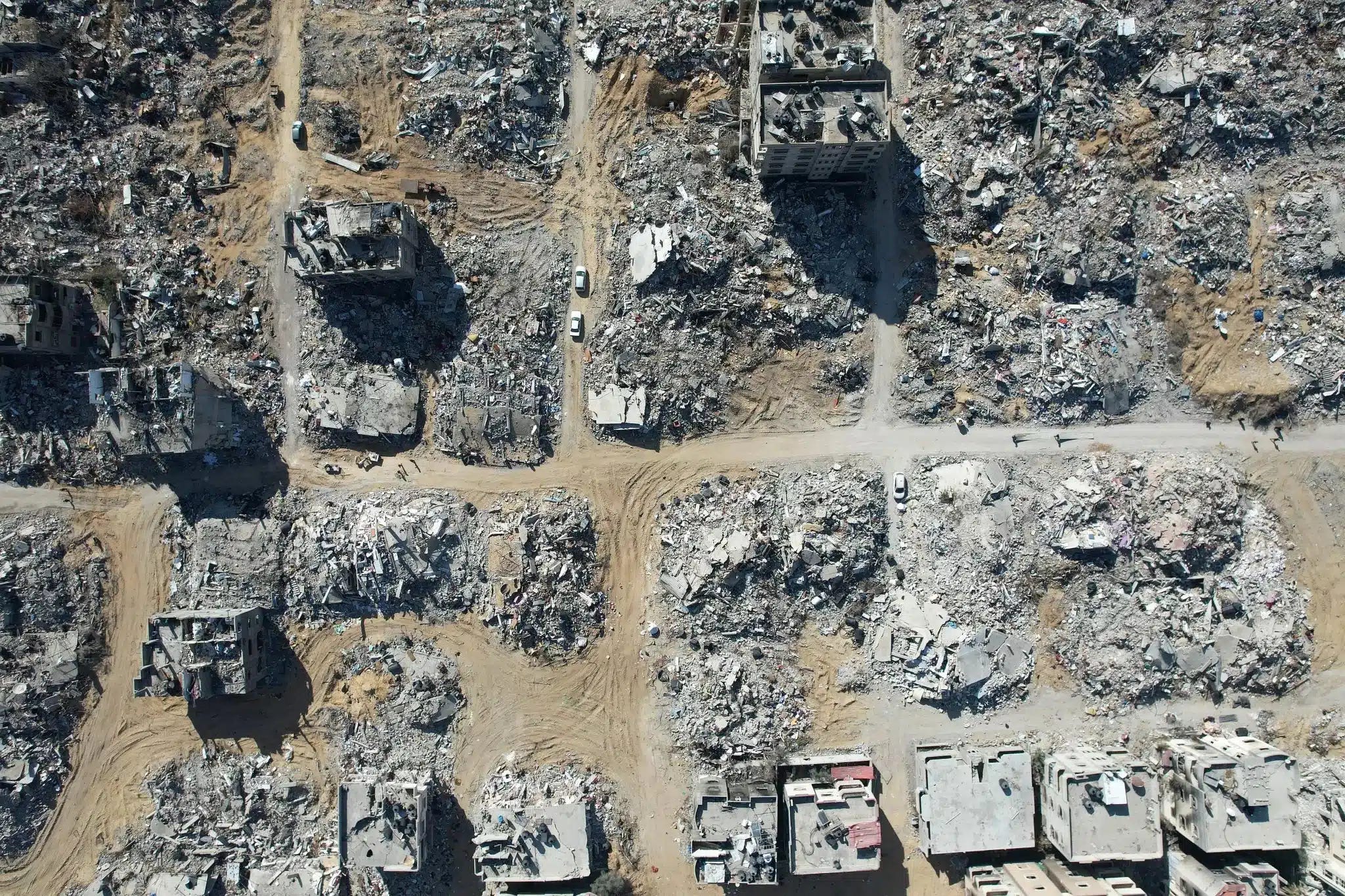
The plan includes the launch of reconstruction efforts in Gaza, where an estimated 84% of infrastructure has been destroyed, with costs surpassing $70 billion, according to the United Nations.
Before reconstruction can begin, Gulf states particularly Qatar and Saudi Arabia are demanding a clear pathway toward establishing a Palestinian state. Meanwhile, Western donors have linked their financial support to disarmament and reforms within the Palestinian Authority.
According to Trump’s plan, the aforementioned technocratic committee would coordinate reconstruction efforts by working with donor countries and UN agencies to mobilize funding and oversee the rebuilding of homes and infrastructure. However, this remains largely theoretical, as Israel continues to block full-scale reconstruction, limiting efforts to new settlements under its control, such as the planned “Green Rafah” project.
Why Is Netanyahu Stalling Phase Two?
Netanyahu has introduced conditions not specified in the agreement that are effectively obstructing the implementation of the second phase:
Hostage Remains: Israel insists that the return of the last Israeli soldier’s remains from under the Gaza rubble is a prerequisite for moving forward.
Security Pretexts: Israel considers the Yellow Line a new defensive border that justifies keeping troops in half of Gaza to prevent Hamas from regrouping.
International Force Concerns: Israel fears losing its grip if the international force replaces its own, especially if it includes countries with diverging political stances.
Domestic Politics: Netanyahu’s political survival depends on right-wing factions that oppose withdrawal from Gaza, prompting him to maintain the status quo to preserve his fragile coalition.
Undermining Peace Initiatives: Netanyahu is actively delaying phase two to avoid addressing thorny issues such as Palestinian statehood and the future of Gaza and the West Bank.
Additional Demands: Israel has added new conditions, including the full dismantling of tunnels and guarantees that Hamas will not rearm.
What Lies Ahead?
According to Israeli reports, the Trump administration sees the ongoing deadlock as a threat to potential diplomatic and economic gains. In early December 2025, Trump reportedly phoned Netanyahu, urging him to shift away from military escalation in Gaza, Lebanon, and Syria and toward diplomacy and confidence-building moves deemed essential for expanding normalization agreements with Arab nations and delivering a tangible victory for his administration.
Expected U.S. steps to implement phase two include:
Announcing the launch of phase two before the end of 2025, even without recovering the last Israeli soldier’s remains.
Unveiling the members of the Peace Council and the technocratic committee that will govern Gaza, along with the countries participating in the stabilization force.
Pushing Israel to allow Turkey’s inclusion in the international force, to enhance its legitimacy and secure Hamas’s compliance with the agreement.
Working with Egypt, Qatar, and Turkey to persuade Hamas to begin phased disarmament starting with heavy weapons and temporarily retaining lighter arms.
Initiating reconstruction projects in the Israeli-controlled areas of Gaza before full disarmament is achieved.
Using Netanyahu’s visit to promote Trump’s vision for expanding normalization deals, convincing Saudi Arabia and others to back Gaza’s reconstruction in return for Israeli concessions.
Ultimately, Trump’s ability to enforce his vision depends on multiple actors: Hamas, which remains reluctant to surrender its arms; Israel, which cites security concerns to maintain its grip; and Arab states, which have made reconstruction contingent on political progress.
Still, both Israeli and American sources suggest that the closing days of 2025 will be pivotal—Netanyahu’s visit may determine whether phase two moves forward or remains a promise unfulfilled.