

As Western capitals grapple with the contours of a new security order in the wake of the Russia–Ukraine war, a meeting of the so-called “Coalition of the Willing” in Paris earlier this January has renewed focus on the Black Sea as one of the most sensitive theaters in post-war strategic planning.
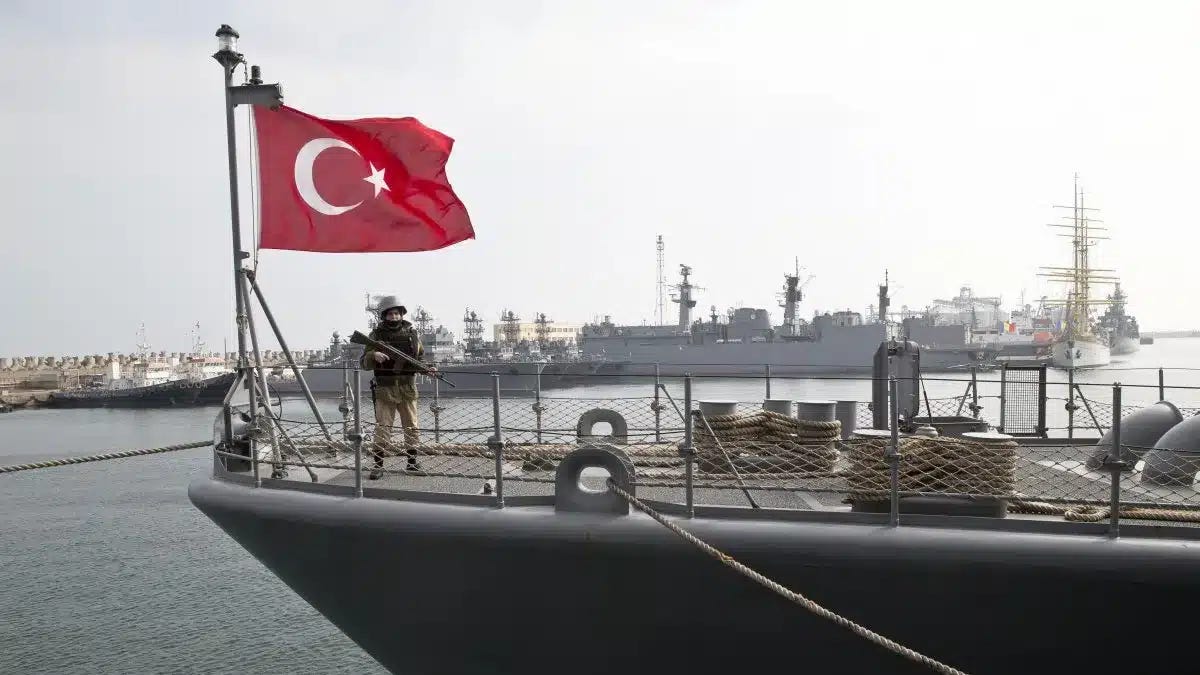
At the heart of this emerging conversation lies Turkey’s role a pillar seen as indispensable in maintaining maritime balance and preventing a dangerous security vacuum in the region. Turkish Foreign Minister Hakan Fidan underscored Ankara’s unique position: as a NATO member and home to the alliance’s largest Black Sea fleet, Turkey is well-positioned to assume key responsibilities, including monitoring any ceasefire and safeguarding maritime navigation.
Simultaneously, Turkey’s Ministry of Defense announced that it is already leading military planning efforts to preserve maritime stability, reiterating its strict commitment to the 1936 Montreux Convention as the legal framework governing the security of the straits and balance in the Black Sea. This solidifies Turkey’s role as a regional guarantor of neutrality and security in one of the world’s most volatile maritime zones.
Turkish Superiority
The rationale for assigning Turkey a central role in Black Sea security is rooted in a complex mix of geopolitical and military factors, making Ankara the near-default choice in post-war calculations.
Turkey boasts the largest naval force among NATO’s Black Sea members, giving it a practical heft unmatched by its allies. This makes its leadership in any maritime security architecture not just aspirational but highly plausible. Foreign Minister Fidan reflected this reality when he noted real progress toward assigning Turkey this role following the Paris summit especially amid growing consensus between Ukraine and its Western partners on Ankara’s centrality.
Having a littoral regional power take the lead helps mitigate the risks of a security vacuum and avoids the escalation risks associated with deploying non-littoral NATO forces, which Moscow could interpret as a direct provocation.
Turkey’s advanced naval and logistical capabilities further strengthen its case. Turkish air and naval assets provide nearly two-thirds of the situational awareness NATO relies on for Black Sea surveillance, effectively making Ankara the backbone of any viable maritime security system in the region.
Compounding this, the war has degraded the Russian fleet, forcing it to retreat to more distant bases an evolution that has tipped the maritime power balance in Turkey’s favor. In this context, Turkey’s role is seen as an acceptable compromise: the West views it as a competent ally, while Moscow sees it as a less politically and militarily provocative alternative to a direct Western military presence in one of its most sensitive maritime theaters.
Managing Stability
Turkey’s expected post-war maritime responsibilities go far beyond traditional monitoring roles. Ankara is set to lead a full-fledged maritime security regime in one of the world’s most volatile seas. According to the Turkish Ministry of Defense, Ankara will spearhead efforts to maintain Black Sea security, with a primary focus on ensuring the safety and freedom of commercial navigation.
In practice, this means the Turkish Navy will likely be at the forefront of enforcing any maritime ceasefire, conducting regular patrols, monitoring Russian and Ukrainian naval activity, and intervening to prevent violations that could endanger a fragile truce.
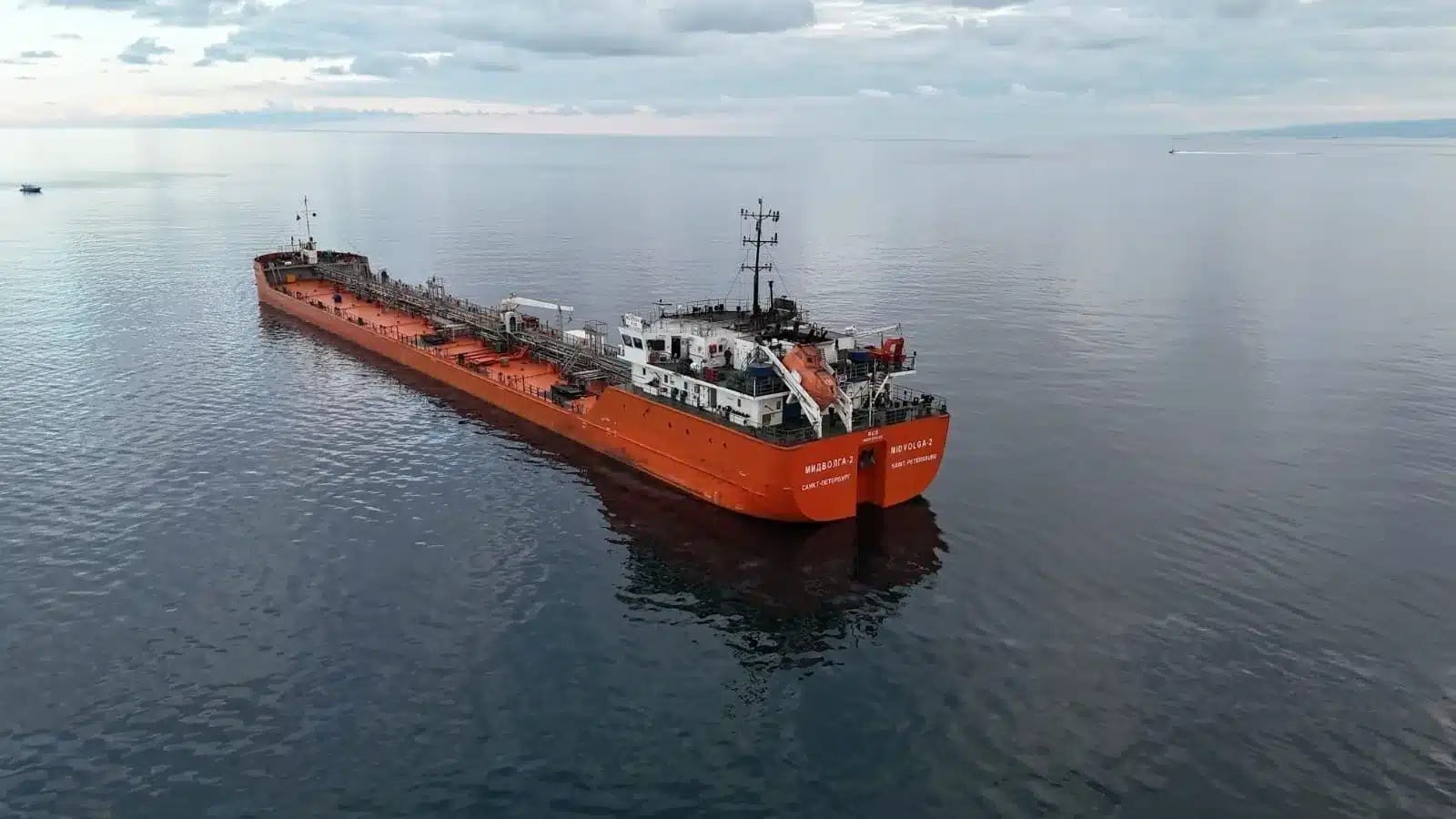
Beyond surveillance, Turkey will also be responsible for re-securing shipping lanes disrupted by the war addressing mine threats and drone attacks that have targeted ships and ports.
The conflict has demonstrated the scale of these risks, with drone strikes hitting both Russian and Turkish vessels and damaging Ukrainian port infrastructure. Sea mines have drifted to Turkish and Romanian shores, prompting urgent clearance operations.
In response, Ankara is expected to lead mine-clearing efforts and restore the security of critical corridors, particularly those vital for grain exports paving the way for the safe return of civilian and commercial maritime traffic.
Turkey is unlikely to act alone. It is expected to coordinate regionally with the coast guards and navies of fellow Black Sea littoral states especially Romania, Bulgaria, and Ukraine through joint mechanisms. Ankara had earlier proposed establishing a regional coordination center for radar and maritime surveillance data-sharing, enabling early warnings and rapid responses to illicit or threatening activities.
Turkey may also be tasked with command and control responsibilities over any multinational naval force deployed to enforce the ceasefire provided it remains limited in size and adheres to the strict constraints of the Montreux Convention.
Ultimately, these efforts aim to establish a stable, secure maritime environment that deters renewed military escalation and offers practical guarantees to littoral states and their partners for safeguarding post-war maritime interests.
A Delicate Balancing Act
Since the onset of the Russia–Ukraine war, Ankara has pursued a finely calibrated balancing act: honoring its NATO commitments while keeping diplomatic channels open with Moscow. On one hand, Turkey provided Ukraine with significant military support notably the Bayraktar combat drones. On the other, it refused to join Western sanctions on Russia, preferring to preserve diplomatic and economic flexibility.
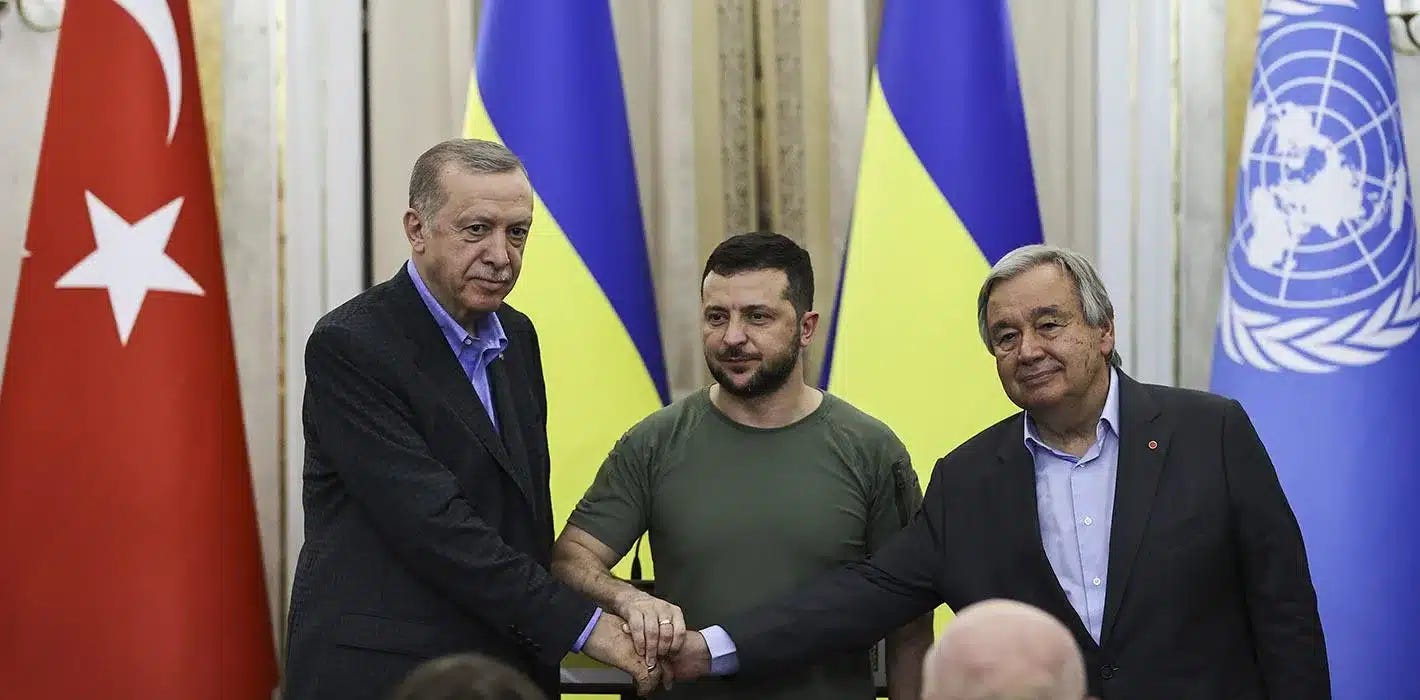
Throughout the war, Turkey maintained direct engagement with both Russian and Ukrainian leadership, positioning itself as a potential mediator, while repeatedly warning of the dangers of escalation especially in the Black Sea, where attacks on ships and critical infrastructure became frequent.
This nuanced posture granted Turkey a unique standing as a credible interlocutor, helping explain the unusual convergence of Western and Russian acceptance of its potential post-war security role.
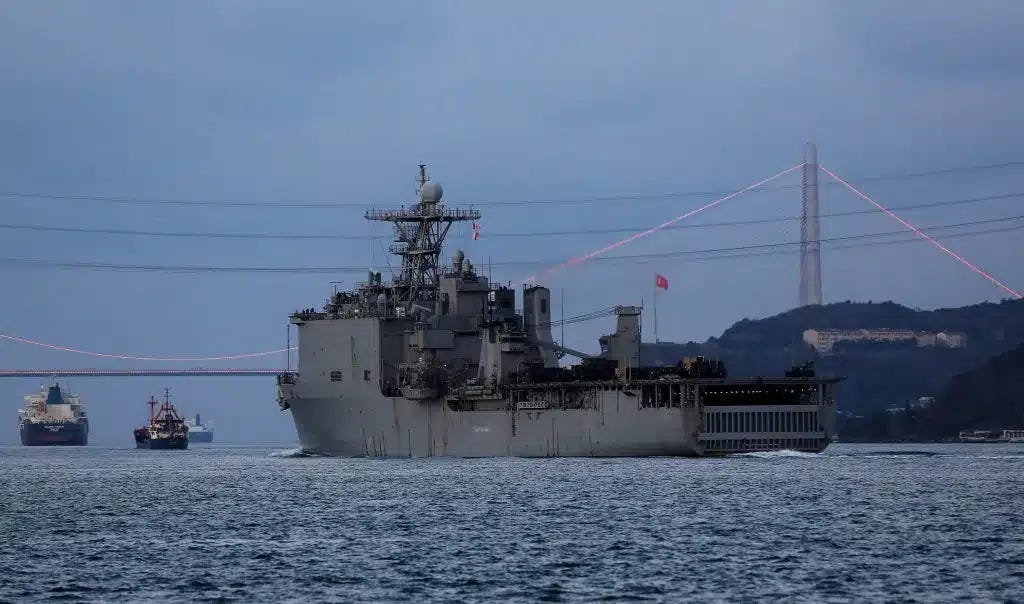
The Montreux Convention became the cornerstone of this balancing act. In February 2022, as the war began, Turkey quickly invoked the treaty to close the Bosporus and Dardanelles straits to the warships of belligerent states, while urging non-littoral powers to refrain from sending naval vessels into the region.
This move prevented Russia from reinforcing its fleet and simultaneously blocked direct NATO intervention preserving a fragile balance of power in the Black Sea.
Turkey has consistently framed this stance as part of a “regional responsibility” doctrine, pledging to enforce Montreux with impartiality and firmness. In return, Ankara leveraged the trust it retained with Moscow to achieve notable diplomatic breakthroughs from hosting prisoner exchange talks in Istanbul to co-brokering the Black Sea Grain Initiative with the United Nations.
These efforts have cemented Turkey’s image as a power capable of mediating between East and West and managing tensions in one of the world’s most dangerous flashpoints.
Cautious Reservations
Despite its maritime engagement, Turkey remains cautiously reserved about deploying ground forces to Ukraine. While Ankara has expressed openness to contributing to a future international peacekeeping force, any such involvement would be strictly conditional.
Turkey insists that no deployment can occur without a firmly established ceasefire and a clearly defined peace mandate outlining the roles and contributions of all participants.
This reflects Turkey’s desire to avoid the political and security costs of a direct military presence in a conflict zone where Russia remains a key player. Ground deployment could be seen in Moscow as a provocation, unlike the more limited and internationally sanctioned naval role in the Black Sea which Ankara views as less inflammatory and easier to manage.
As such, Turkey currently prefers to concentrate its efforts in the maritime domain, where it enjoys a comparative advantage and clearer deterrence capabilities reducing the risk of direct confrontation with Russian forces.
Turkey’s caution mirrors that of several Western states also hesitant about deploying ground troops in Ukraine. While the UK and France have signed declarations of intent with Kyiv that theoretically allow for future international force contributions, others have taken a more restrained approach.
Germany has expressed willingness to support a ceasefire but ruled out sending troops. Italy has similarly rejected post-war ground deployment. Romania, Ukraine’s direct neighbor, has also declined to send troops but pledged to help secure the Black Sea as part of a regional security framework.
Given these dynamics, the maritime option appears to be the least politically controversial and most widely acceptable route for supporting Ukraine’s security offering vital naval patrols and the protection of critical sea lanes without requiring boots on the ground.
For Ankara, this approach aligns with its strategy of balancing regional stabilization efforts with the imperative to avoid long-term entanglement or dangerous escalation with Moscow.
A Regional Security Model?
If Turkey assumes a leadership role in Black Sea security as part of post-war arrangements, it could set a new precedent: one where regional powers with direct stakes in maritime stability take the lead, rather than relying on interventions from distant global actors.
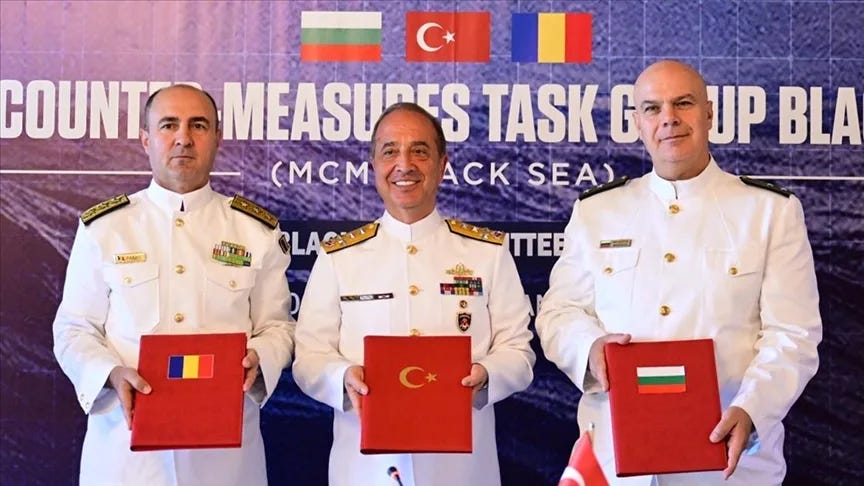
This concept fits within Ankara’s long-standing vision of “regional responsibility” for Black Sea security aimed at limiting the role of non-littoral powers while encouraging collaborative frameworks among coastal states. This vision was reflected in Turkey’s 1990s-era BLACKSEAFOR initiative, which included Russia, Ukraine, and other littoral nations in a joint maritime cooperation effort though it later faded under geopolitical strain.
Now, in the wake of the Russia–Ukraine war, this idea has reemerged in a new form. The recent Black Sea mine-clearing mission, conducted jointly by Turkey, Romania, and Bulgaria, highlighted the value of practical regional cooperation over broad international intervention.
Similarly, assigning Turkey the role of maritime security leader is viewed as a littoral-state-led solution grounded in capability and vested interest potentially reducing the need for a permanent international military presence in this highly sensitive zone.
Should this model succeed in stabilizing the region and ensuring compliance with maritime safety rules among all stakeholders, the Black Sea could become a template for other conflict-prone regions seeking regional-led security solutions.
Still, the viability of this model depends on Turkey’s ability to navigate its role with neutrality and competence and on the continued acceptance of this role by both Moscow and key Western capitals.
No regional security framework can endure without a careful balance of interests and at least a minimal consensus among major powers. This will be Ankara’s foremost challenge in the post-war landscape.
