

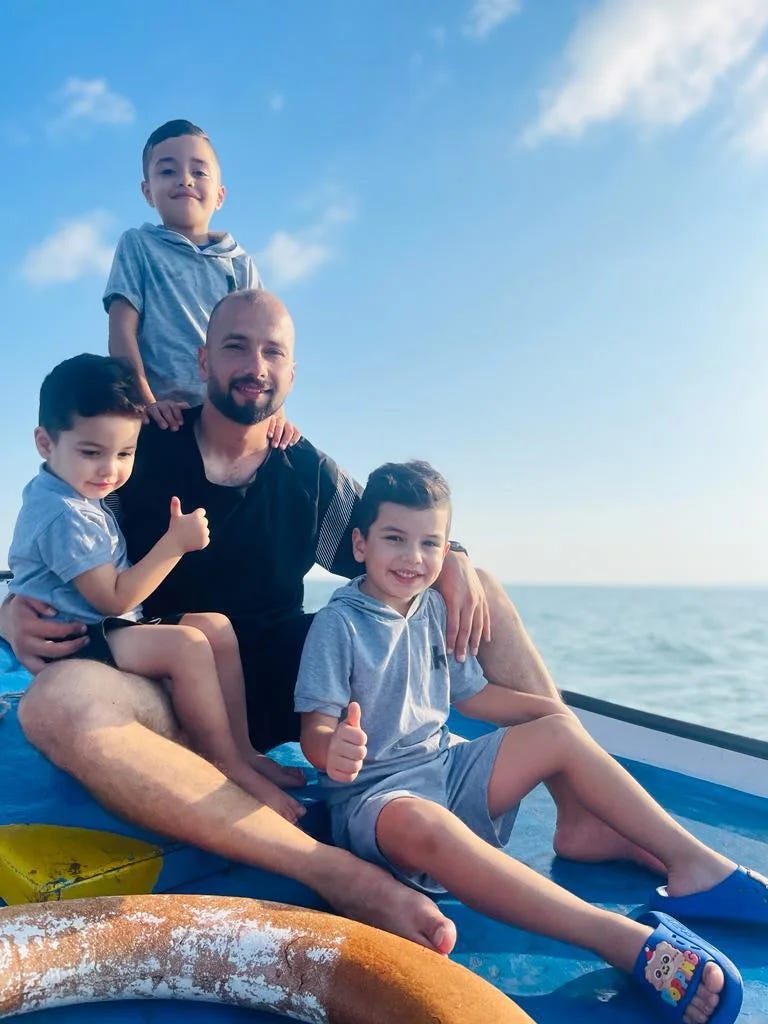
Since October 7, 2023, and over the course of 27 weeks, families in Gaza have been losing loved ones one after another. What remains are stories told with hearts weighed down by grief and minds still struggling to comprehend the scale of the loss. Behind every martyr is a family reeling from absence a wife suddenly turned widow, and children stripped of their fathers, now known simply as orphans.
Since the outbreak of war, the lives of thousands of women and children in Gaza have been upended, their roles and identities forcibly redefined in the midst of an unbearably harsh reality. The ongoing campaign of extermination continues to shape their daily lives, even after a nominal ceasefire came into effect.
A Humanitarian Catastrophe in Numbers
Children make up approximately 47% of Gaza’s population around 980,000. According to data from the Palestinian Central Bureau of Statistics, nearly 39,384 children have lost one or both parents since October 2023. Among them, an estimated 17,000 have lost both parents, leaving them without support or caregivers. The bureau describes this as the worst orphan crisis in Gaza’s modern history.
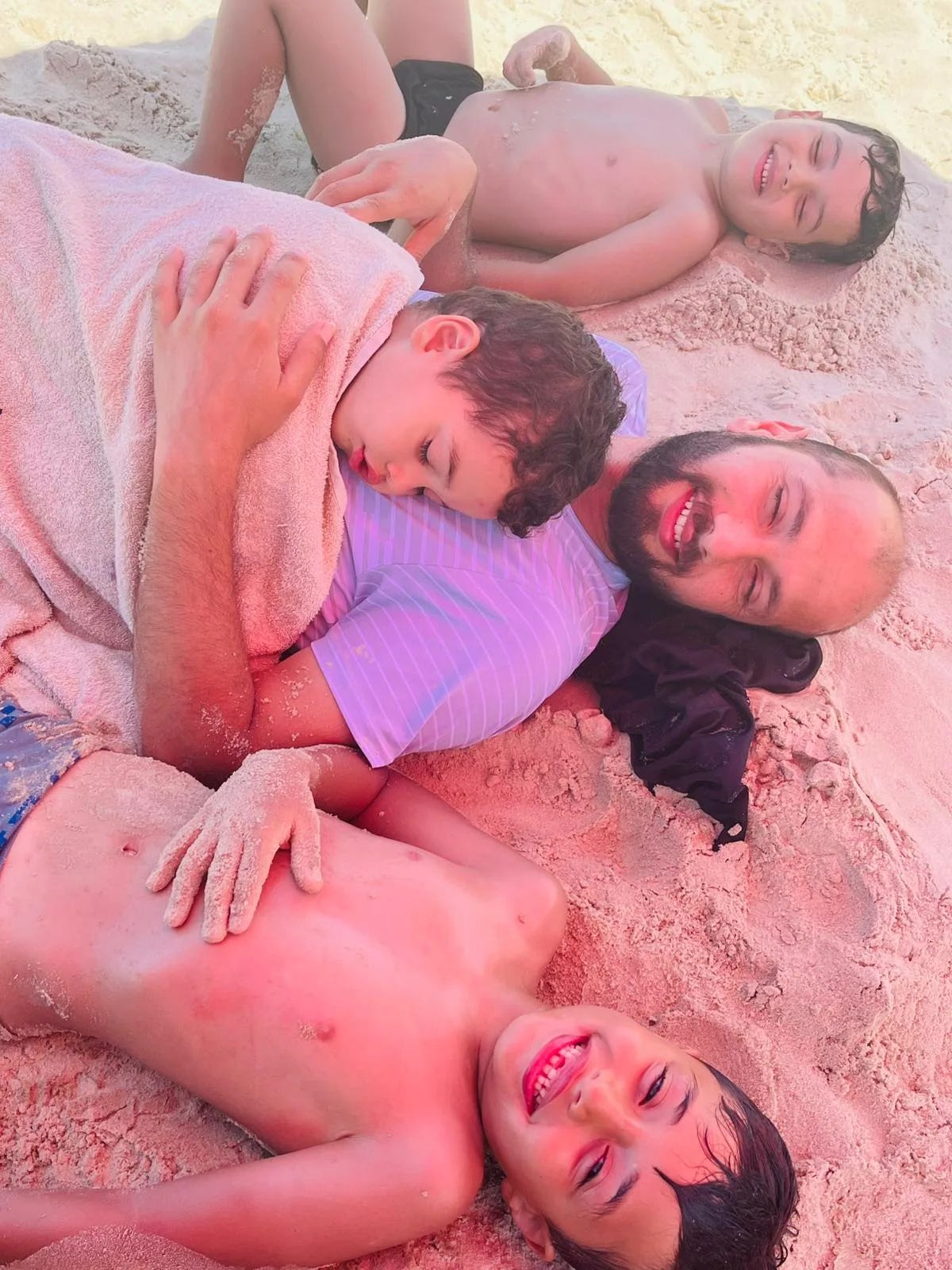
The same data reveals that more than 14,300 women have lost their husbands in the ongoing war, becoming widows under severe humanitarian and economic strain.
Beyond the Headlines…
In the heart of Gaza, families who lost their sole breadwinner now face an excruciating reality. The person who once provided for them, who ensured a minimum level of stability, is gone leaving these families in direct confrontation with loss, need, and deep uncertainty.
To better understand the reality faced by these women and children, Noon Post spoke with Nour Abu Nada, the widow of martyr Bilal.
Nour begins by describing her husband: “When he was around, hardships never felt as hard. His presence made everything easier. I never saw him angry he was calm, gentle, unlike any partner or father. He was always our safe haven, for me and our children. That’s why losing him was so devastating.”
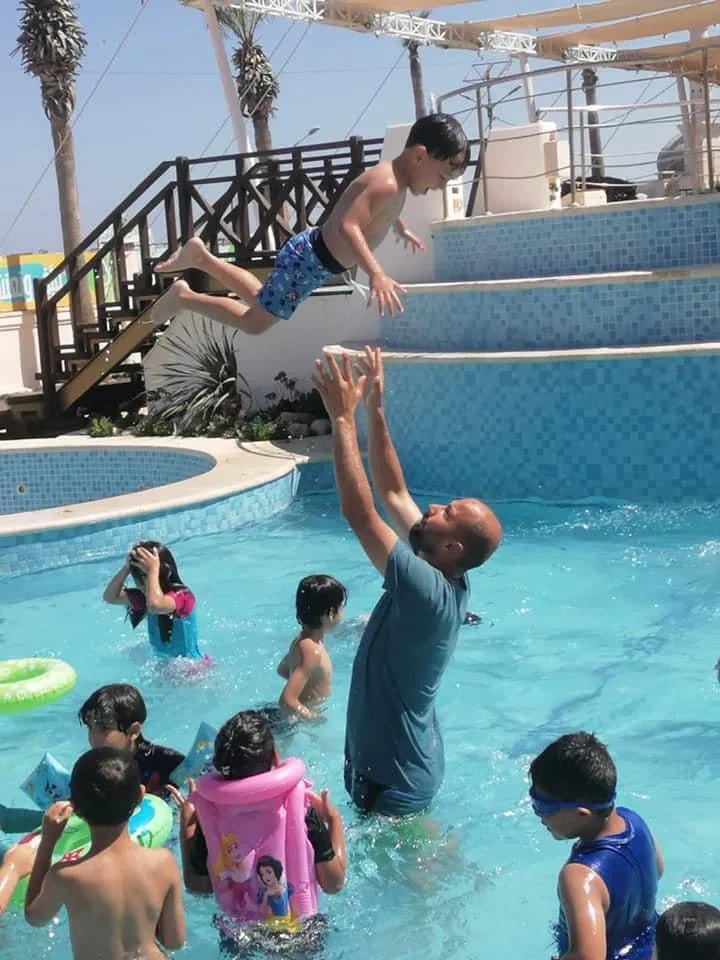
She recalls the day he was killed: “On December 17, 2023, in Khan Younis in southern Gaza, after the first strike, bodies were scattered everywhere young and old. Bilal rushed to help the wounded. Minutes later, a second, more violent strike hit. I ran outside just to find him and make sure he was okay. I saw them putting him into an ambulance, blood covering parts of his body. The bombardment intensified, and we were told to evacuate.”
She continues: “Bilal went in the ambulance. I returned home alone. I had never needed to depend solely on myself while he was alive. Suddenly, I was alone with three children and my paralyzed father-in-law, in the midst of relentless bombing and destruction.”
Nour adds: “Someone came and whispered something. Then everyone around me began to cry. Their faces told me something terrible had happened. That’s when I realized Bilal was gone. I made ablution and prayed. My only prayer was: ‘Oh Lord, reward me in this calamity.’”
She explains: “My children’s life after losing their father has been extremely difficult. I hid my sorrow from them, because losing a father is no small thing. Their presence helped me cope. Their father was their whole world, and I had to fill that gap. I talk to them often, encourage them to draw and color.
Even during the war, they continued school for two years. I constantly remind them of their father and his bravery. If they do something wrong, I tell them: ‘Your father is a martyr this is a badge of honor.’”
She concludes: “Now I live in northern Gaza, at my parents’ house. The hardest thing I lost in this war was my husband. Today, I lead this family. I provide for my children with help from individuals and charities. It’s been two years and two months since he was martyred, and his absence is still the greatest loss of my life.
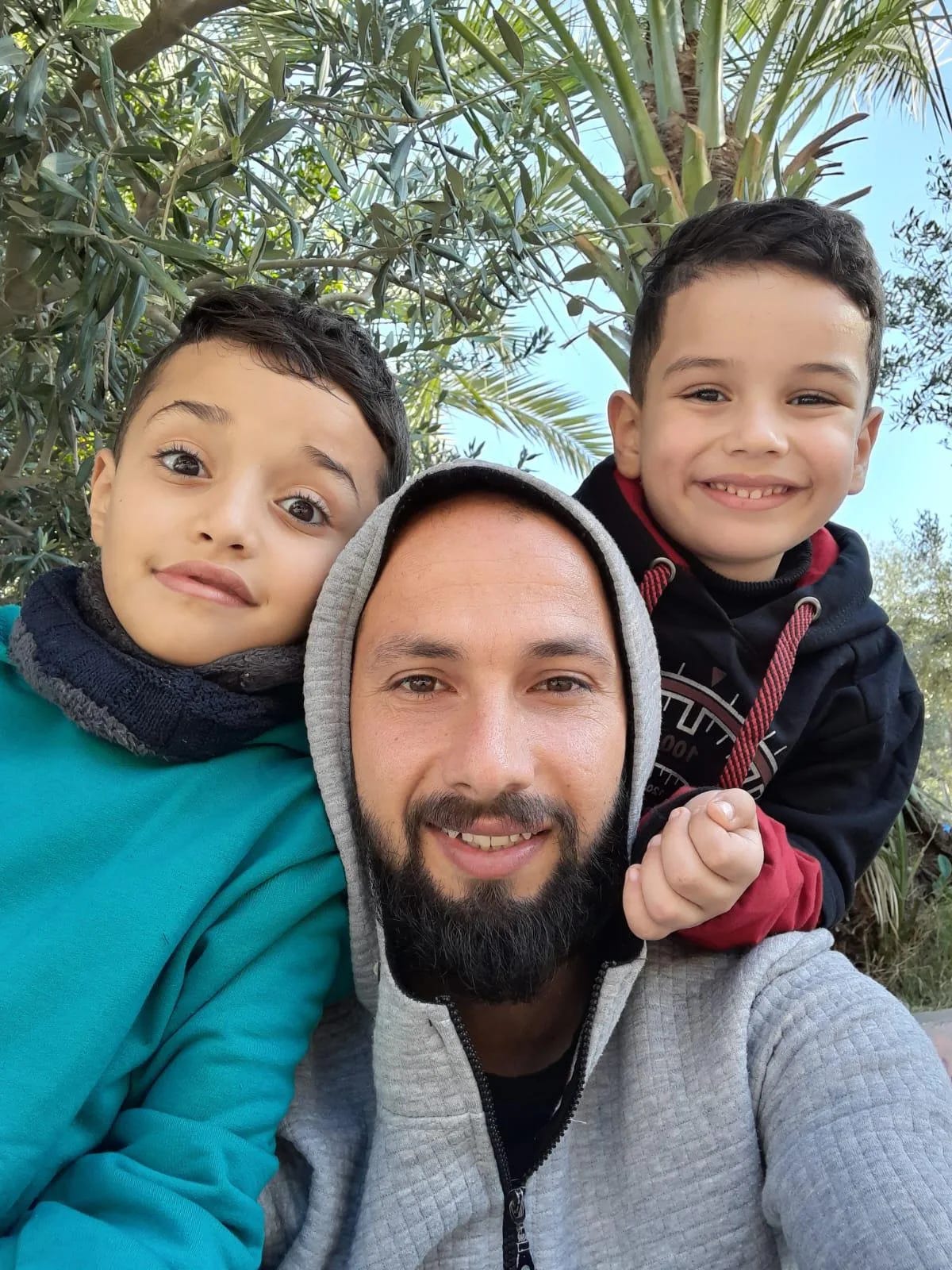
One of the hardest moments is waking up to find my son quietly crying under the covers. I ask what’s wrong, and he says, ‘I miss Dad.’ The most painful thing is seeing your child sad and being unable to help. Loss is excruciating a difficult chapter. But not the last one. Thank God.”
Nour ends her story with a final thought: “We’ll never truly heal from what we’ve seen. But we keep going because our children deserve to live.”
The war does not end with the last airstrike, nor does its impact stop at the edge of visible destruction. The years that follow marked by grief and rebuilding will be the ultimate test for those left behind.
The stories of widows and orphans may fade from the headlines, but they represent one of the heaviest and most enduring legacies of war. As life carries on at its bare minimum, the responsibility to support these survivors and to question what led them to this fate remains. It’s a question that extends far beyond Gaza, demanding reflection from anyone who witnesses these horrors and refuses to look away from their profound human cost.