


In war-torn Yemen, fragile tents have become makeshift fortresses offering little protection against a bitter winter that threatens the lives of millions of displaced people. Amid dire living conditions, flimsy shelters and scarce blankets are no match for the cold.
Many are forced to light small fires inside their tents for warmth an act of desperation that underscores the daily struggle for survival.
In the Al-Naseem Al-Awsat camp in Marib, displaced Yemeni Bassam Al-Salahi lives with his family under the grip of the freezing weather. “The cold is severe,” he told Noon Post, “it causes colds and acute infections.”
He describes the conditions as uninhabitable: “The camp offers no real protection, and the available blankets barely suffice.”
“I try to warm myself and my children by lighting a small fire, though it’s extremely dangerous and could cause a disaster,” he added.
A Worsening Crisis
Yemen’s ongoing conflict is the primary driver of the worsening humanitarian situation. Economic collapse and climate shocks have triggered widespread food insecurity and increased health risks.

According to UN estimates, around 19.5 million people will need humanitarian assistance and protection services in 2025, including 10.5 million considered among the most vulnerable women, girls, displaced persons, and people with disabilities.
Najeeb Al-Saadi, head of the Executive Unit for Internally Displaced Persons (IDPs), told Noon Post that this year’s winter response plans are based on accurate field data, despite challenges in collecting that information in recent months.
Al-Saadi noted that the most recent assessment of winter shelter needs was conducted in the first quarter of 2025 and included updated data from liberated areas covering both camp-based and non-camp IDPs. A new survey is planned for the fourth quarter, pending resolution of logistical obstacles.
He attributed this year’s support gap to donor fatigue and diminished confidence that previous funding had delivered sustainable impact needs have remained unchanged despite sizable funding flows.
Al-Saadi explained that the UN has shifted from emergency responses toward sustainable and long-term solutions. However, some international organizations continue to operate under traditional emergency frameworks, requiring time to adapt to this new approach.
He also emphasized the need for governmental reform to enable authorities to lead and coordinate humanitarian efforts more effectively.
Al-Saadi confirmed the existence of structured communication channels and data-sharing mechanisms with humanitarian organizations to ensure aid reaches beneficiaries efficiently. He said priority is given to camps facing extreme cold or high population density particularly those in Marib, Al-Dhalea, and Taiz.
Regarding field challenges, Al-Saadi pointed to weak governmental engagement with the humanitarian file, lack of focus on displacement issues, and minimal governmental support to the Executive Unit. These hurdles have significantly hampered efforts to improve shelter conditions, despite the Unit’s previous achievements with limited operational capacity.
Displacement Figures
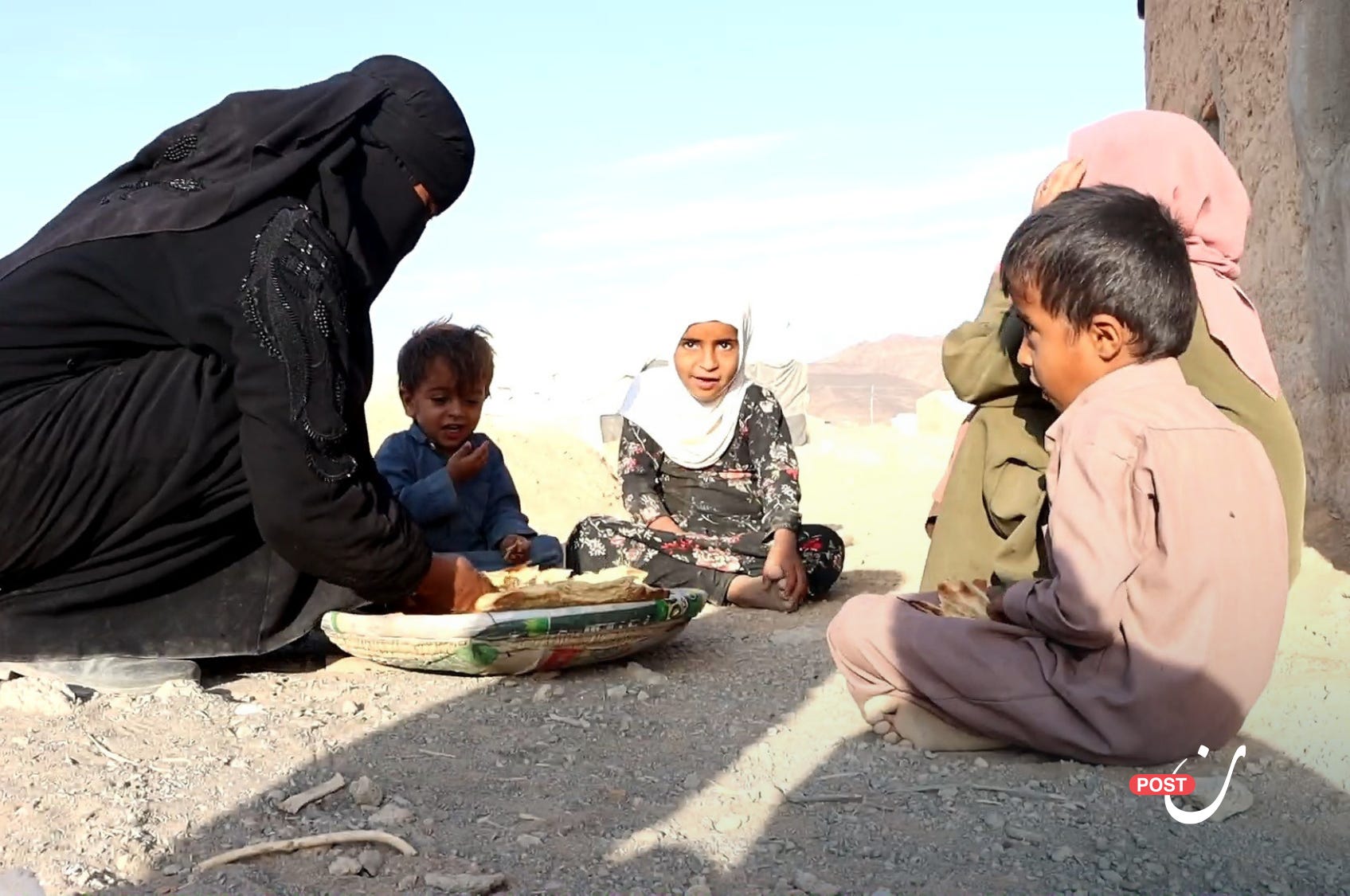
Hundreds of thousands of displaced people in Marib and other governorates live in devastating conditions. Estimates suggest that more than 2 million IDPs about 300,000 families are spread across over 200 camps, most residing in temporary tents that offer little to no protection.

The funding gap now stands at 95%, with only a fraction of the required winter assistance delivered. Over 217,000 individuals are targeted for aid, including half a million people exposed to near-freezing temperatures.
Saif Muthanna, Director of the Executive Unit for IDP Camps in Marib, told Noon Post that the governorate currently hosts more than 2,087,573 displaced persons across 299,965 families in 209 camps and displacement sites. Most live in tents and temporary shelters that lack minimum protection from cold and rain.
He added that recent field assessments reveal a widening gap in humanitarian response this year, with only 19% of needs met. Camps urgently require over 19,110 winter shelter kits and more than 10,045 blankets and covers, along with the provision of safe heating alternatives to replace primitive methods that have previously caused fires and suffocation incidents.
Vulnerable groups in these camps face heightened dangers this winter. Muthanna reported that Marib’s camps house over 21,652 individuals with chronic illnesses, 30,156 pregnant and lactating women, 8,415 elderly people over 60, 8,123 individuals with mobility impairments, and 9,632 with intellectual disabilities.
Additionally, there are 1,341 unaccompanied children and 3,624 children acting as household heads, all living under dire conditions.
These populations are especially vulnerable to severe health complications as temperatures drop especially in camps with limited healthcare services and high rates of respiratory illnesses during the cold season.
Muthanna warned that unless emergency funding is restored and urgent interventions are made, past winter tragedies will likely repeat, with increased deaths among children and the elderly due to extreme cold and lack of heating solutions.
A Deepening Health Crisis
Yemen is also grappling with a severe health emergency, exacerbated by a persistent cholera outbreak that began in 2016 and worsened in recent years due to conflict and the collapse of water and sanitation infrastructure.
Between March 2024 and August 2025, the country recorded nearly 332,000 suspected cholera cases and 1,073 related deaths. The rainy season is expected to further worsen the outbreak due to contaminated water sources and poor drainage systems.
Meanwhile, an 80% shortfall in international funding for Yemen’s humanitarian response has crippled the ability of aid agencies to implement essential prevention and treatment programs. This has fueled the disease’s spread, particularly among women, children, and the most vulnerable communities in overcrowded camps.
Ziyad Al-Ra’i, Director of Health Education and Awareness in Marib’s Health Office, told Noon Post that the severe cold has worsened the health situation inside IDP camps, especially among children, amid inadequate healthcare services and dwindling humanitarian support.
Al-Ra’i said respiratory infections among children are on the rise, alongside increasing cases of diphtheria, mostly affecting children under five. Malnutrition rates also continue to climb due to year-round food insecurity and the economic crisis faced by displaced families.
He added that health facilities in and around the camps continue to provide primary healthcare services but face acute shortages in medication. Some facilities once supported by international organizations have shut down, while others are operating with extremely limited capacity, insufficient for the scale of needs.
Mobile medical teams, which previously numbered over 45, have now dwindled to just four due to funding cuts, leaving a major gap in healthcare coverage for tens of thousands of displaced persons.
Al-Ra’i stressed the urgent need for essential medications and medical supplies especially pediatric drugs to enable health facilities to cope with the rising number of winter cases.
He warned that inadequate medical resources and organizational withdrawal have resulted in empty health centers and a severe shortage of qualified staff, further compounding the suffering of displaced families and crippling emergency response capabilities.
